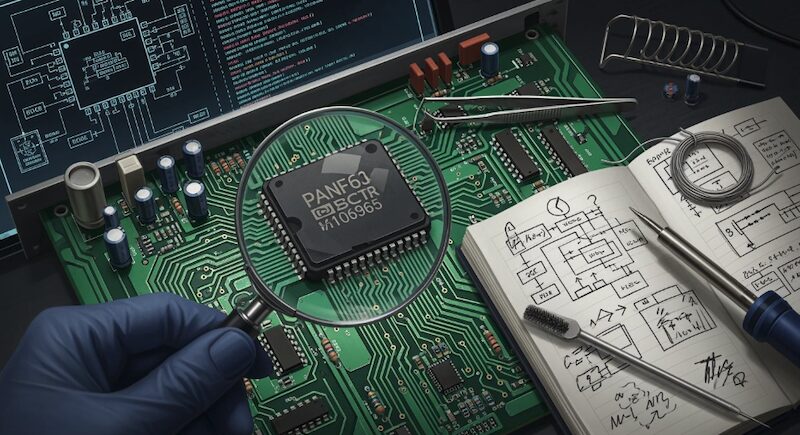
The trend of reverse engineering printed circuit boards (PCBs) and integrated circuits (ICs) is gaining traction as consumers seek to extend the life of discontinued electronic products. Individuals and small businesses dedicated to repairing and upgrading older gadgets are increasingly employing these techniques to combat planned obsolescence and enhance device longevity.
Understanding PCB Reverse Engineering
Reverse engineering PCBs involves meticulously analyzing circuit board layouts to understand their design and function. This process allows technicians to identify components that may be failing, enabling them to repair or replace them effectively. With many electronic products no longer supported by manufacturers, enthusiasts are stepping in to fill the gap, ensuring that devices remain operational despite the lack of available parts.
The practice is not without its challenges. Technicians often encounter proprietary designs and materials that complicate the reverse engineering process. Nevertheless, the benefits are clear. By successfully re-engineering these components, they can restore functionality to devices that might otherwise be discarded. This movement is especially prevalent among the repair community, which emphasizes sustainability and reducing electronic waste.
The Role of IC Unlock Techniques
Unlocking integrated circuits is another critical aspect of this movement. Many electronic devices contain ICs that are locked or encrypted, preventing users from accessing their full functionality. Using specialized tools and techniques, engineers can unlock these circuits, allowing for modifications and enhancements that improve performance and utility.
According to a report published in March 2023 by *the Electronics Repair Association*, approximately 60% of consumers express frustration over the limited lifespan of their electronic devices. This dissatisfaction has sparked a renewed interest in DIY repairs and upgrades, as individuals search for solutions to keep their gadgets functional for longer periods.
The shift towards reverse engineering aligns with wider trends in the electronics industry, where sustainability and consumer rights are becoming increasingly important. As planned obsolescence draws criticism, the repair community advocates for the right to repair, pushing for legislation that supports consumers in maintaining their devices.
By fostering a culture of repair and innovation, PCB reverse engineering and IC unlock techniques not only empower individuals but also contribute to a more sustainable future. The ongoing evolution of these practices highlights the importance of adaptability in a rapidly changing technological landscape.
As consumers become more informed about their options, the demand for repairable electronics is likely to rise, prompting manufacturers to rethink design strategies. In this context, the ability to reverse engineer and unlock components may well become essential skills for both hobbyists and professionals in the electronics field.