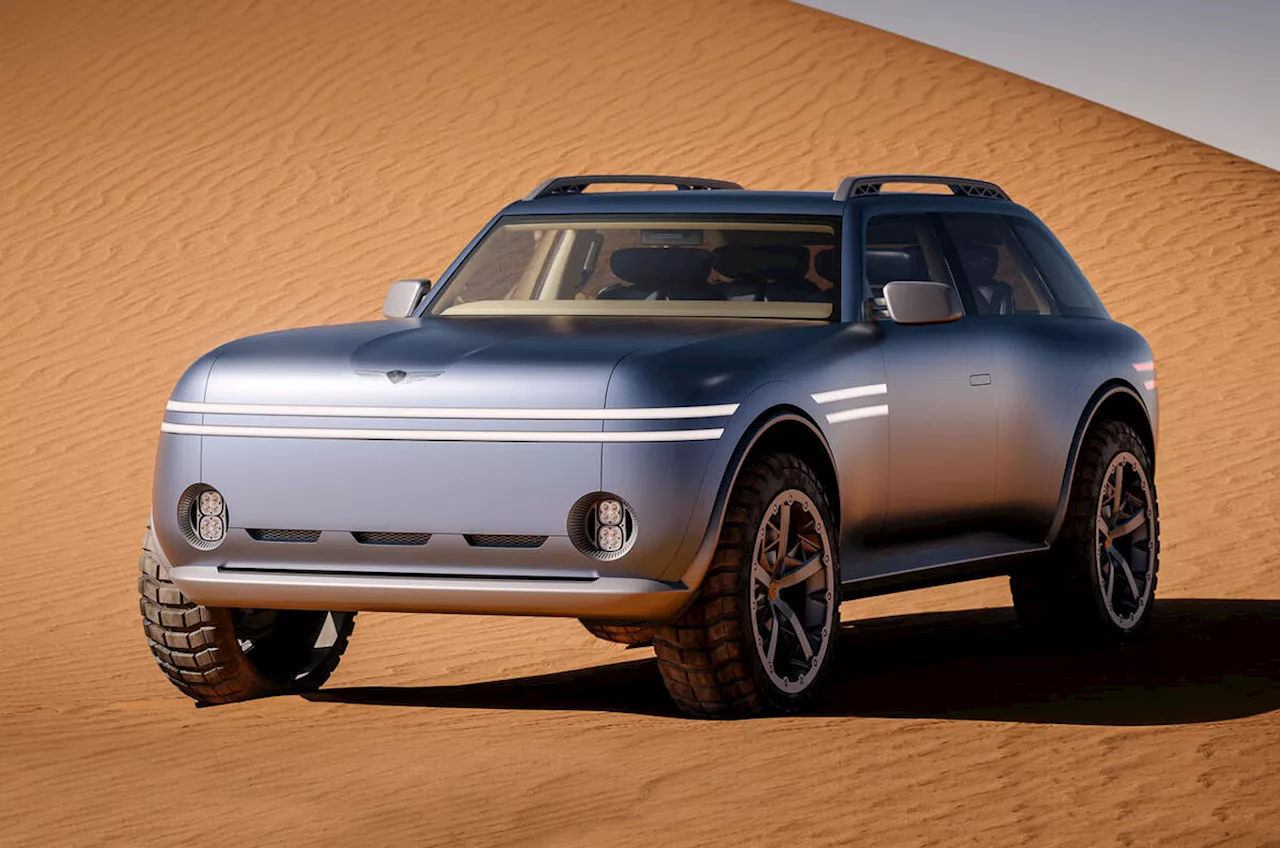
Genesis, the luxury division of the Hyundai Motor Group, is set to introduce a new, bespoke platform in 2027. This strategic shift aims to enhance the brand’s identity as a standalone premium marque, distinguishing its vehicles from those of its parent company and sibling brands, Hyundai and Kia.
Peter Kronstadl, Genesis’ European chief, confirmed the development, emphasizing that the new platform will be designed to deliver a unique driving experience aligned with the brand’s luxury positioning. While specific details regarding the platform remain undisclosed, Kronstadl noted it would support Genesis models, ensuring they offer driving dynamics distinct from Hyundai and Kia vehicles.
Kronstadl stated, “Genesis is a brand of the Hyundai Motor Group, and within that, has certain specifics as a brand,” highlighting distinctions in drivetrain, chassis configuration, and interior design. He further explained that the new architecture is essential for meeting the unique driving dynamics expected by premium segment customers, particularly emphasizing features such as “relatively direct steering” and a chassis that is “not too soft.”
In an interesting turn, Genesis has revised its previous commitment to an all-electric lineup. The brand plans to introduce hybrid models starting next year, a response to declining demand for premium electric vehicles in key markets. Despite not clarifying whether it would create entirely unique powertrains or share systems with Hyundai and Kia, Kronstadl indicated that Genesis would utilize its position within the Hyundai Motor Group to boost global sales.
The decision to develop a bespoke platform is notable for a brand with relatively low sales volumes. Genesis sold only 2,455 vehicles in Europe last year. Nevertheless, Xavier Martinet, Hyundai’s European CEO, believes the brand’s global presence justifies the investment. “Hyundai and Genesis are way bigger than most people think in Europe,” he remarked, underscoring the group’s combined sales of seven million units in 2025.
While the numbers might seem insufficient to warrant such an investment, Martinet pointed to Genesis’ global sales of 220,000 last year and a goal of reaching 350,000 annually by 2030 as critical factors that enhance the business case for the new platform. He noted that the economies of scale achieved by consolidating the brand’s offerings onto a modular architecture provide significant advantages, especially considering the higher price point of Genesis vehicles.
Kronstadl also discussed the brand’s strategy to avoid overextending its product lineup. He emphasized the importance of having a clear product strategy to prevent customer confusion, stating, “We are not into that,” referring to rivals that have ventured into niche markets without success. Genesis currently offers the GV60, GV70, and the Electrified G80, and plans to maintain a focused approach with future products.
Although it remains unclear which model will be the first to utilize this new platform, Genesis has recently unveiled several innovative concept vehicles, including the Gran Equator X 4×4 and the Neolun luxury SUV. These designs could set the stage for the brand’s next-generation production lineup, reflecting its commitment to both innovation and distinctiveness in the competitive luxury automotive market.
As Genesis embarks on this ambitious new chapter, the automotive industry will be watching closely to see how it develops its identity and product offerings in the evolving landscape of luxury vehicles.