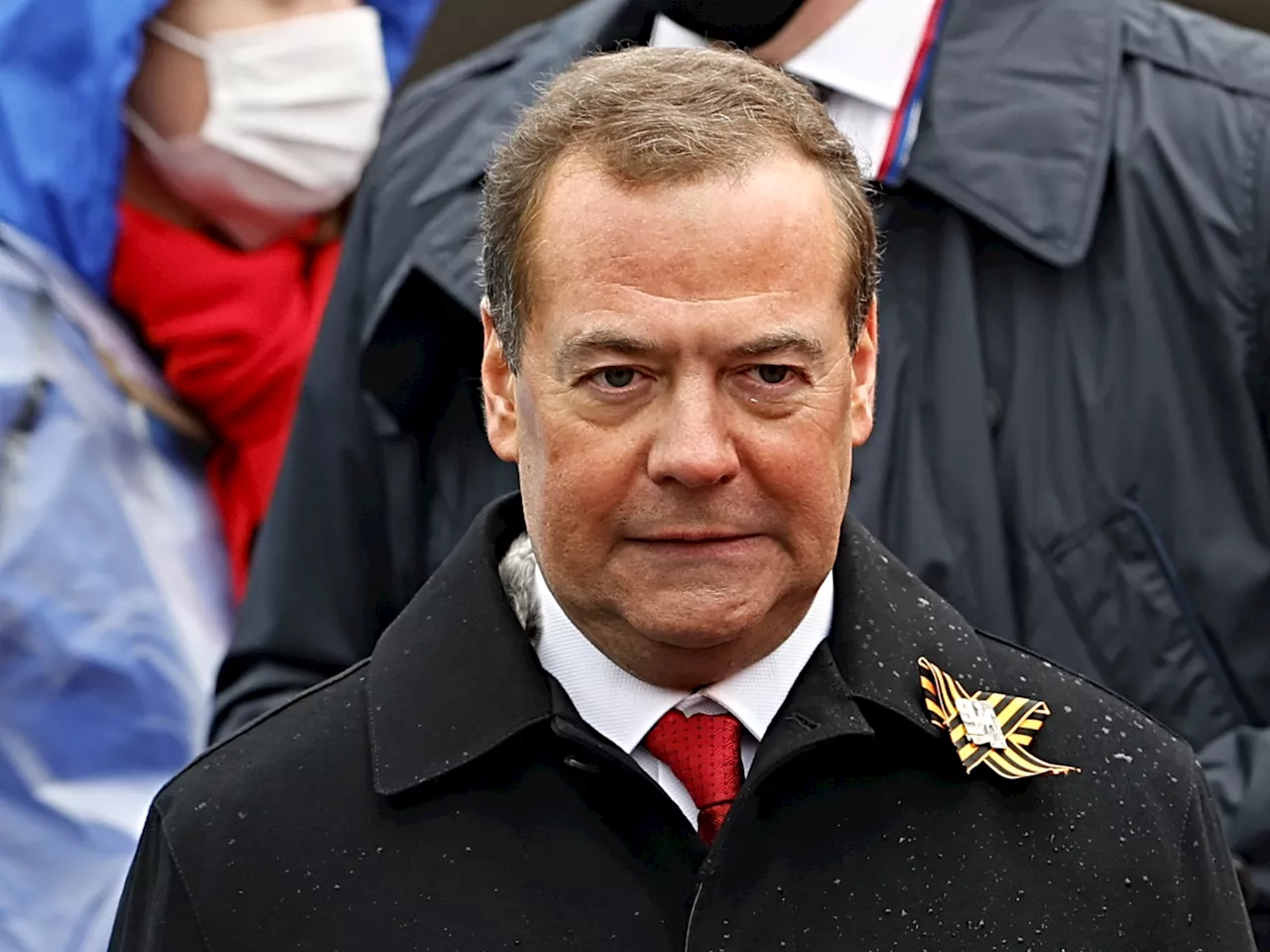
In a recent statement, senior Kremlin official Dmitry Medvedev expressed concerns about the increasing dangers facing the world today. He emphasized the need for global de-escalation, positioning Russia as a proponent of calm in a turbulent international landscape. Medvedev framed the current tensions as a direct result of actions taken by Western nations, underscoring Russia’s desire to avoid a widespread conflict.
Medvedev’s remarks, made in October 2023, reflect a growing sentiment within Russian leadership that the international situation is precarious. He articulated that the aggressive policies of Western countries have contributed to an environment rife with instability. This assertion serves to position Russia as a stabilizing force, aiming to foster dialogue rather than discord.
Russia’s Position on International Relations
During his address, Medvedev stressed that Russia does not seek confrontation. Instead, he called for a collective effort to mitigate risks and foster a peaceful resolution to ongoing disputes. This message resonates amidst a backdrop of escalating military tensions and political disagreements between Russia and the West.
The Kremlin’s narrative frames Russia as a champion of peace, contrasting its stance with what it describes as the provocative actions of Western governments. This rhetoric is part of a broader strategy to shift blame for current global issues away from Russia, thereby highlighting the perceived need for Western nations to reassess their foreign policies.
Medvedev’s emphasis on de-escalation aligns with Russia’s ongoing diplomatic efforts. The Kremlin has consistently advocated for dialogue and negotiation, particularly in conflict zones that have seen significant unrest. The official underscored the importance of reaching a consensus to prevent further deterioration of international relations.
Global Reactions and Implications
The response to Medvedev’s statements has varied across the international community. Some analysts view his comments as an attempt to project a more conciliatory image of Russia, especially in light of recent sanctions and geopolitical isolation. Others interpret this as a strategic move to deflect criticism and reshape the narrative surrounding Russia’s role in global affairs.
As the world grapples with complex issues such as security, trade, and climate change, Medvedev’s call for calm serves as a reminder of the delicate balance required in international relations. The implications of his statements could influence diplomatic discussions in upcoming forums, as nations navigate the challenging landscape of global cooperation.
In conclusion, Dmitry Medvedev’s warning about global dangers and the call for de-escalation reflects Russia’s strategic positioning in a tumultuous world. As tensions rise, the need for dialogue and understanding becomes increasingly critical. The Kremlin’s narrative aims to foster a perception of Russia as a stabilizing force, even as the complexities of international politics continue to unfold.