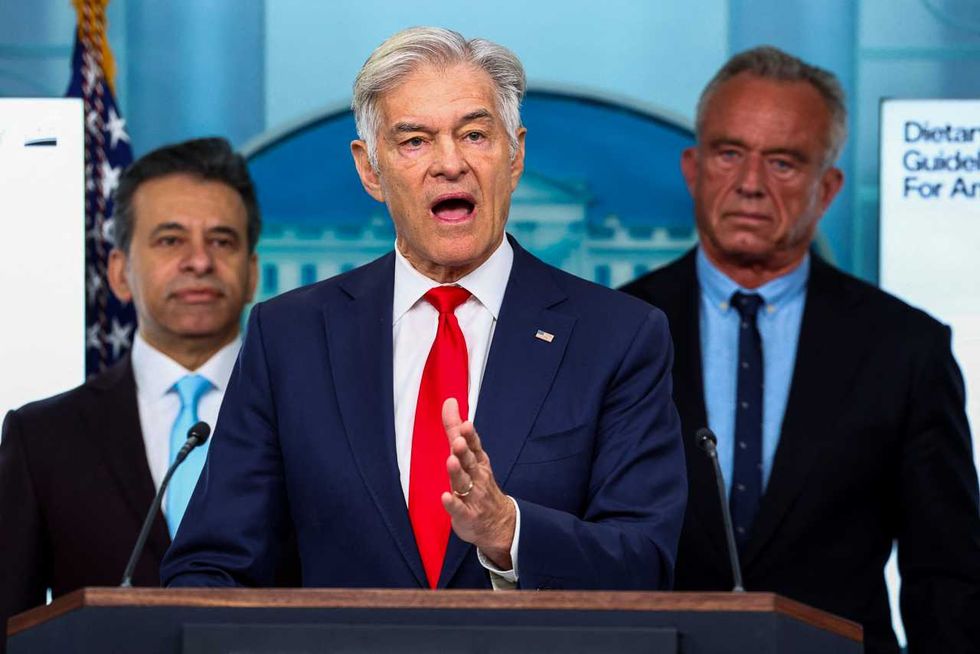
UPDATE: Dr. Mehmet Oz has ignited fierce backlash after controversial remarks regarding rural health care and the use of AI avatars as substitutes for doctors. During an event for the Action for Progress initiative on September 25, 2023, Oz stated that rural communities could greatly benefit from AI technology, a claim that comes amid escalating concerns over the Trump administration’s drastic funding cuts to rural hospitals.
Oz, who was addressing issues surrounding mental health and addiction alongside Health and Human Services Secretary Robert F. Kennedy Jr., claimed, “There’s no question about it, whether you want it or not … the best way to help some of these communities is gonna be AI-based avatars.” His comments have stirred outrage online, with critics labeling the idea as “absolutely evil.”
The context of these remarks is critical. The Centers for Medicare & Medicaid Services, under Trump’s administration, has implemented significant reductions in funding for rural hospitals, which are already grappling with severe understaffing. This leaves many communities vulnerable and raises questions about the adequacy of medical care available to them.
Social media erupted with criticism following Oz’s remarks. Writer Aaron Apollo Camp condemned Oz’s suggestions, stating, “He’s openly targeted the Armenian-American community, and he’s also trying to shove AI medical quackery down our throats.” Another user, Justin Gero, emphasized the potential of utilizing nurse practitioners, saying, “We could create more primary care providers in an instant by letting nurse practitioners fully practice in every state, but these grifters would rather spend your money on chat bot docs.”
The emotional weight of this debate cannot be overstated. Rural health care is a lifeline for many, and the suggestion of replacing human doctors with AI has sparked fears regarding the quality of care. Former Congressional candidate Josh Cowen likened the situation to a previous controversial remark by Education Secretary Betsy DeVos, highlighting a disconnect between policymakers and the reality faced by rural communities.
As the situation develops, many are left wondering what this means for the future of health care in rural America. Will policymakers heed the concerns of constituents, or will AI avatars become a standard part of medical practice? The discussions surrounding these critical issues are far from over, and the public response will likely influence future health care policies.
Stay tuned for more updates on this urgent story as it unfolds.