Tensions in the Middle East have escalated as Iran’s foreign minister, Abbas Araghchi, warned that the country has placed its “fingers on the trigger” amid the arrival of a significant U.S. military presence in the region. This statement underscores the heightened volatility following threats from the United States to launch a swift military response against Iran.
Araghchi asserted on March 27, 2024, via a post on X, that Iranian armed forces are prepared to counter any acts of aggression “immediately and powerfully.” He noted that recent conflicts, particularly the 12-day war with Israel in 2023, have informed Tehran’s strategy for a more robust military response if necessary.
The potential for conflict comes as Donald Trump, the former U.S. president, indicated that military strikes could be imminent unless Iran ceases its nuclear activities. Earlier this month, he expressed intentions to support civilians in Iran amid anti-regime protests, although he later suggested he had reconsidered direct intervention. Human rights organizations estimate that the death toll from the ongoing unrest in Iran could be in the thousands.
Negotiations between the U.S. and Iran have stalled since tensions escalated, prompting Gulf allies to seek diplomatic solutions. Saudi Crown Prince Mohammed bin Salman conveyed that Riyadh would not permit U.S. military operations against Iran from its territory or airspace.
According to a U.S. official, Washington has set three demands for Iran: a permanent halt to uranium enrichment, limits on its ballistic missile arsenal, and an end to its support for the so-called Axis of Resistance. There is currently no indication that Tehran is willing to meet these conditions.
In a congressional hearing on March 27, 2024, U.S. Secretary of State Marco Rubio highlighted the need for a military buildup in the Middle East to protect American forces stationed there. “We have 30,000 to 40,000 American troops across eight or nine facilities in that region,” he stated, emphasizing that these troops are at risk from Iranian weapons, including unmanned aerial vehicles and short-range ballistic missiles.
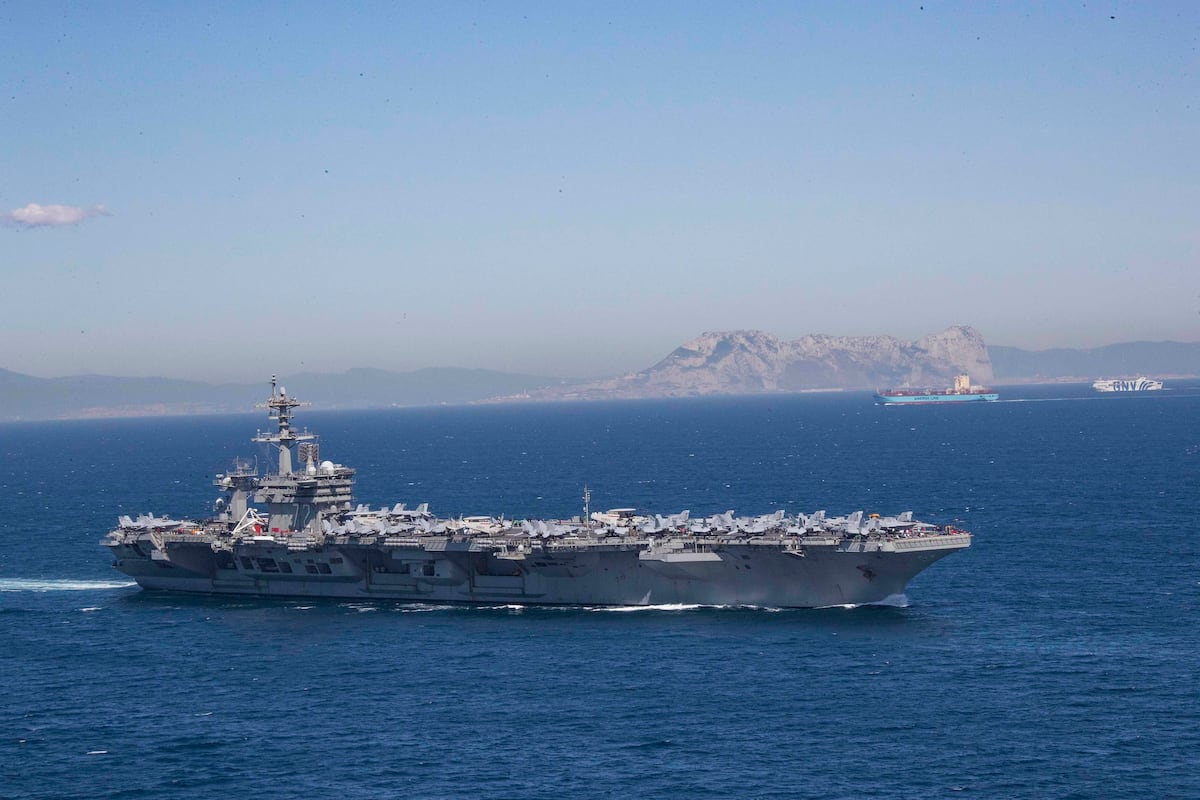
The centerpiece of the U.S. military presence is the USS Abraham Lincoln, an aircraft carrier that entered the U.S. Central Command’s area of responsibility on March 25, 2024. Additional military assets, including warships and F-15E Strike Eagle fighter jets, have also been deployed to the region.
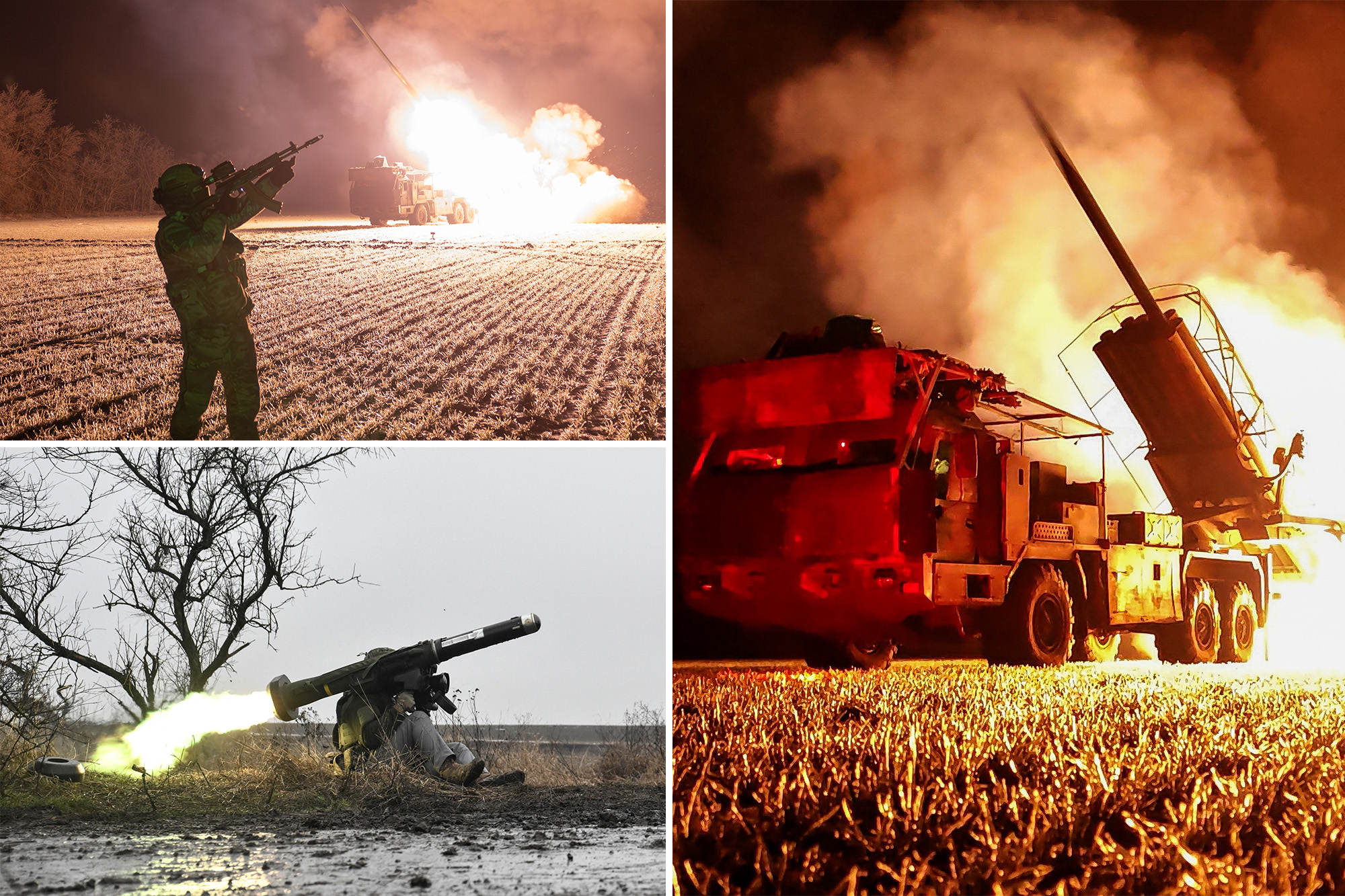
Iran has reportedly enhanced its naval and missile capabilities aimed at countering U.S. warships. Ali Vaez, the Iran project director for the International Crisis Group, noted that these capabilities were specifically developed to target American naval forces. “Iran didn’t use any of these capabilities in the 12-day war, so all of those capabilities are intact,” he explained.
While the U.S. has the military capacity to defeat Iran, Vaez cautioned that doing so would come at a significant cost, one that the current administration may be hesitant to incur. The situation remains precarious as both sides navigate a complex landscape of military readiness and diplomatic negotiations.