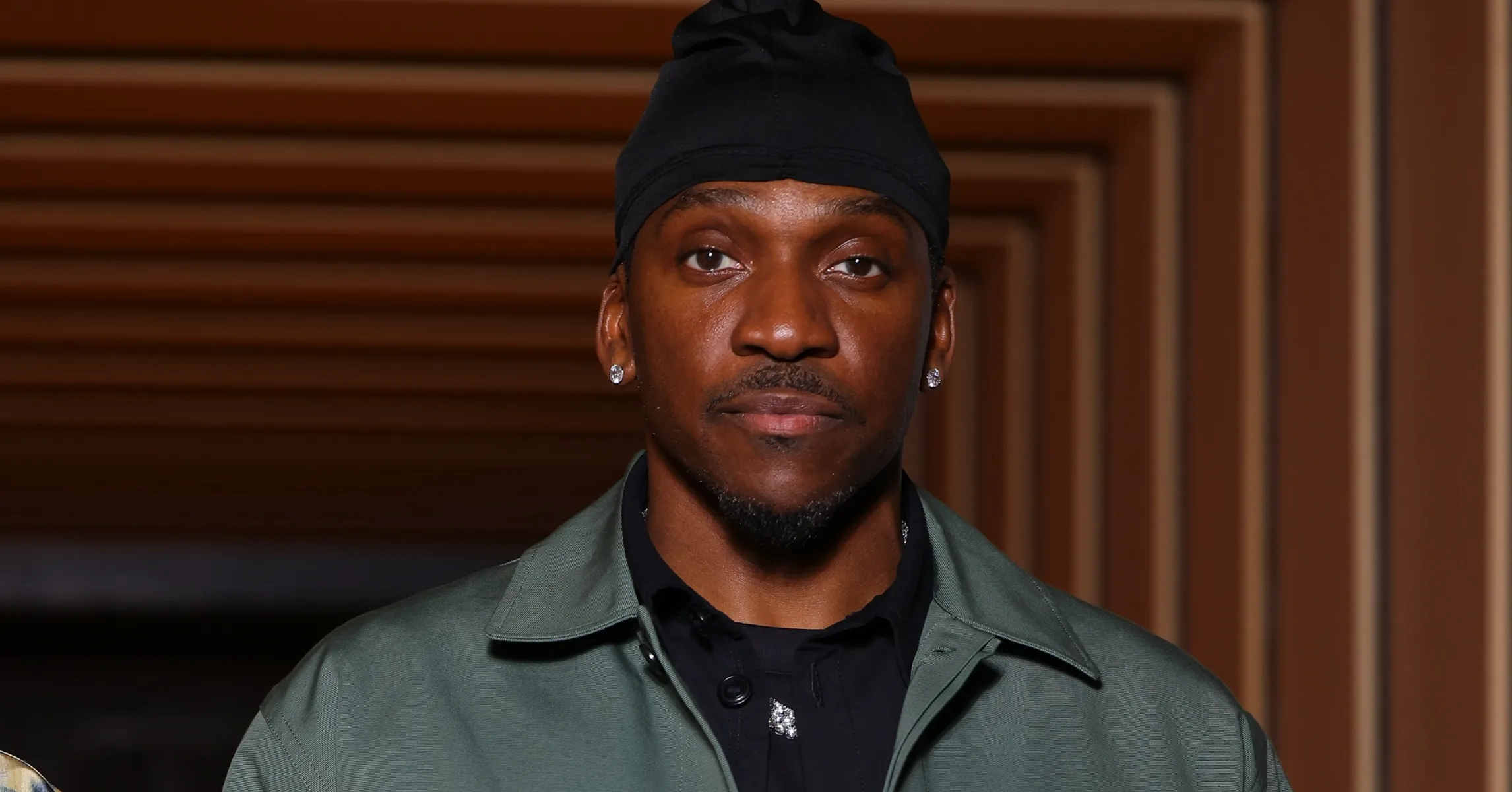
Pusha T made headlines this week by expressing his criticism of the United States Immigration and Customs Enforcement agency (ICE) during the Billboard Power 100 event in Los Angeles on January 28, 2026. The artist did not hold back, stating, “F*ck ICE. Gotta keep it 100. Got to,” as he walked the red carpet. His remarks come amid a broader conversation in the music industry about immigration policies and their impact on communities.
The sentiment against ICE is not isolated to Pusha T. Fellow artist Tyler The Creator also voiced his disapproval earlier in the week on social media, where he wrote, “F*ck ICE. Don’t be listenin’ to ICE. Again. And anyone that voted for that man.” This indicates a growing trend among artists to confront immigration issues publicly, reflecting their influence and responsibility as cultural figures.
Not all voices in the entertainment industry align with this anti-ICE sentiment. Nicki Minaj, for instance, recently criticized journalist Don Lemon on Twitter/X for his coverage of an anti-ICE protest at a church in Minnesota. She expressed her outrage by calling Lemon “DISGUSTING” and demanding accountability for his reporting. Her comments sparked further discussion about her own citizenship status, as Lemon highlighted that Minaj had previously indicated she was not a legal citizen, suggesting that she should be subject to immigration scrutiny.
In a subsequent interview with TMZ, Lemon elaborated on the implications of Minaj’s comments, stating, “I don’t think she’s one of them. Under Trump’s rule, she should be deported.” He questioned why fans continue to support an artist he characterized as “homophobic” and “bigoted,” sparking a debate over the responsibilities of public figures and their influence.
Beyond his political statements, Pusha T is also celebrating the success of his latest album with the group Clipse, titled Let God Sort Em Out. The duo, consisting of Pusha T and Malice, is set to perform at the upcoming 2026 Grammy Awards, where they have received nominations in five categories. This recognition underlines their ongoing relevance in the music industry and their ability to engage with pressing social issues.
As artists like Pusha T and Tyler The Creator use their platforms to address controversial topics, the entertainment industry continues to be a vibrant arena for discussing national issues, particularly around immigration and identity. The contrasting views presented by Minaj and Lemon further complicate the narrative, highlighting the diverse perspectives within the community on such critical matters.