Undergraduate students at the University of Wisconsin–Madison are actively engaging in research, contributing significantly to their academic and professional growth. One such student, Lauren Jacobs, a junior from Oak Creek, Wisconsin, is gaining valuable experience while preparing for her future career as a small animal veterinarian.
Jacobs became involved in research through Professor Lautaro Rostoll-Cangiano‘s lab in Animal and Dairy Sciences after taking a class on animal health and disease in Spring 2025. Initially uncertain about her fit in research, she discovered a passion for immunology and animal care that has since shaped her university experience. The lab focuses on on-farm management factors affecting the gut and immune health of calves, currently investigating the potential benefits of incorporating a postbiotic into the diets of crossbreed calves.
Research Experience Transforms Academic Journey
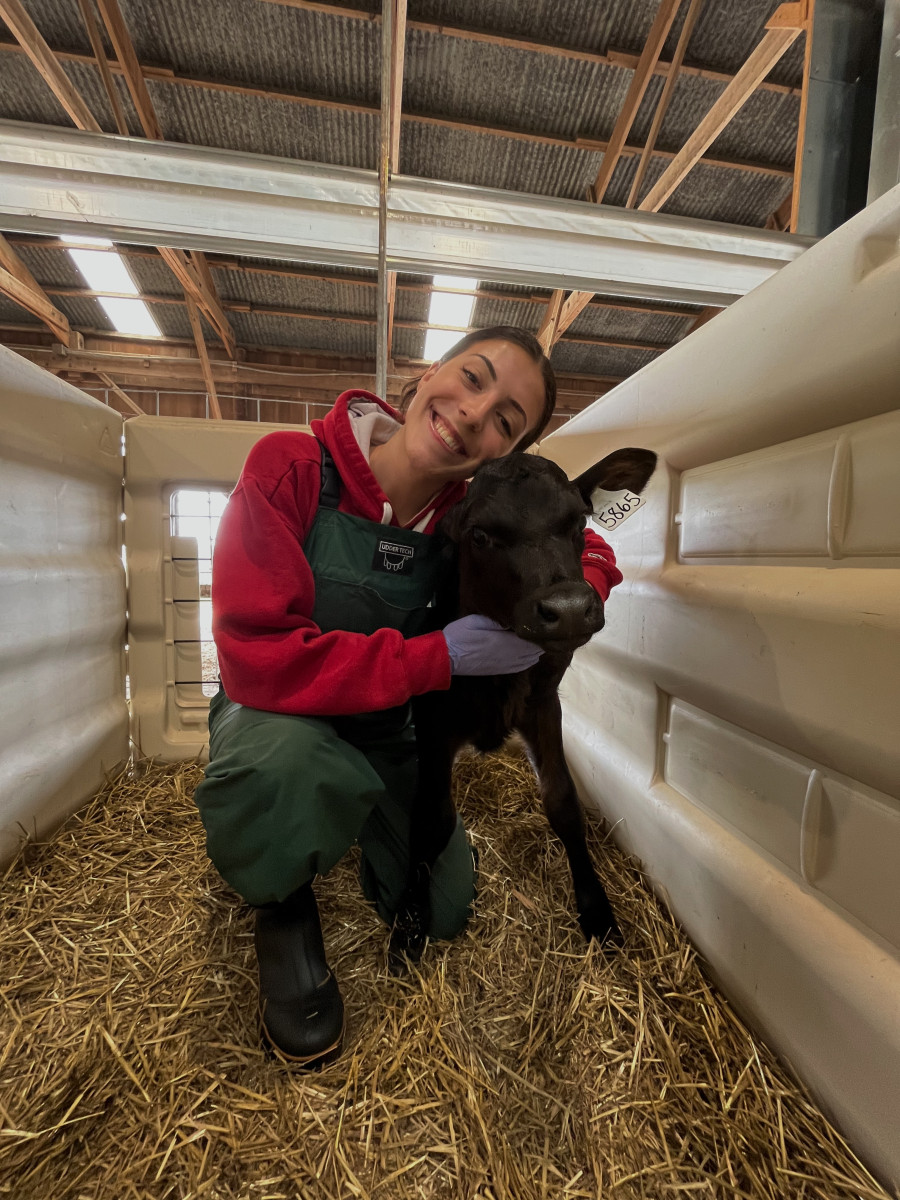
Jacobs describes her initial fears of working in a research environment, feeling it would be limited to long hours in a lab filled with writing. Her experience in Professor Cangiano’s lab has shattered that stereotype. “In this lab, we engage in both hands-on research and bench work,” she explained. “I can go to the farm, collect blood samples, and then isolate immune cells in the lab. It integrates animal care with research seamlessly.”
Her daily responsibilities involve caring for the calves at the Arlington Agricultural Research Station, where she monitors their health and tracks various indicators. Jacobs checks vital signs, inspects for illness, and records health data, working closely with graduate student Martina Mancheno. “I help track and analyze the calves’ health scores, and I’ve learned to conduct colon biopsies to collect immune cell samples,” she said. This hands-on approach reinforces the classroom knowledge she acquires, enhancing her confidence and skills.
Jacobs also received support from Professor Cangiano in seeking a scholarship to pursue her own research project focused on weaning calves, further expanding her research engagement.
Building Confidence and Community in Research
Working in the lab has not only equipped Jacobs with practical skills but has also fostered her personal development. “I’ve learned to be more confident and comfortable with my skills,” she noted, emphasizing the importance of time management and analytical thinking. The supportive atmosphere in the lab, cultivated by Professor Cangiano and fellow lab members, has helped Jacobs build meaningful connections and open doors for her future.
When asked about her advice for fellow undergraduates considering research opportunities, Jacobs encourages them to dive in. “I wasn’t sure about research at first, but it’s essential to try it out. I ended up loving this lab and found a great sense of community.” She highlights the collaborative environment among students and graduate researchers, where ideas are exchanged, and support is readily available.
Jacobs’ experience exemplifies how undergraduate research can inspire community, build confidence, and facilitate personal and professional growth. As she continues her journey at the University of Wisconsin–Madison, the skills and relationships she cultivates will undoubtedly shape her future as a veterinarian.