Interest is surging in the restoration of La Maison Beausoleil, a historically significant Cajun house located in Port Neches, Texas. Originally built in 1810, the house was moved to its current location in the mid-1980s and has since served as a museum that showcases Cajun culture and history. However, the property is now in dire need of repairs, prompting discussions among local leaders and community members about its future.
La Maison Beausoleil, meaning “House of Beautiful Sunshine,” resides in Port Neches Riverfront Park, adjacent to the waterway from which it was transported. The home was donated by the children of Martin Broussard and Editha Bourque, both direct descendants of Joseph Broussard, to Les Acadiens du Texas, an organization dedicated to preserving Cajun culture. The house served as a living museum where visitors could learn about life in the 1800s, often featuring demonstrations with a spinning wheel.
Recently, concerns have arisen regarding the safety and structural integrity of the house. City leaders have noted the need for significant repairs, but a complication has emerged: Les Acadiens du Texas has largely diminished, with many former members passing away or becoming inactive. In response to these challenges, discussions initiated in October have reignited interest among remaining members to revitalize the organization as a non-profit entity.
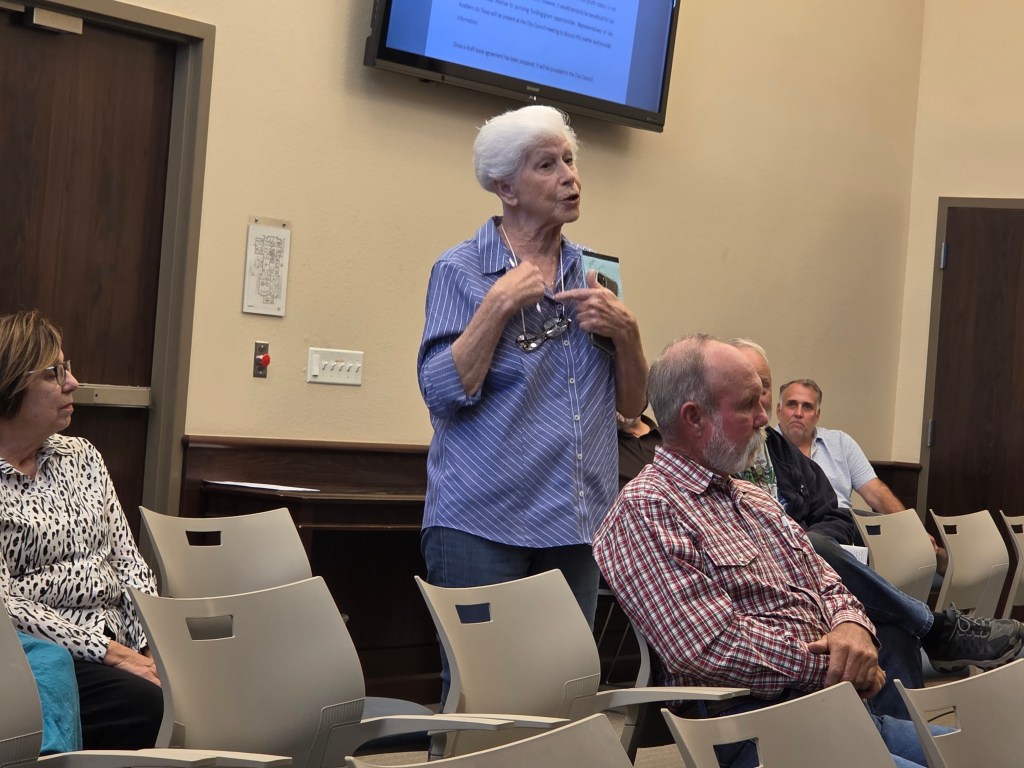
During a recent Port Neches City Council meeting, Karen Mills, a member of Les Acadiens du Texas, expressed the group’s desire to restore both their organizational status and the Cajun house itself. The city manager, Andre Wimer, clarified that the group was unaware of the existing lease agreement between the city and the organization. Instead, they believed that a 99-year lease existed with the Texas Parks and Wildlife Department. The city has yet to find any documentation pertaining to such a lease, but they have confirmed the agreement with Les Acadiens.
The organization is currently seeking new members to bolster its ranks, with an annual membership fee of $12. Troy Broussard, a descendant of the family that originally owned the home, emphasized the importance of restoring La Maison Beausoleil as a means to educate the public about the Cajun heritage and its impact on Southeast Texas. He envisions the home becoming a hub for cultural education and plans to engage the local industrial and commercial sectors for fundraising efforts.
While the house is not eligible for historic designation due to its relocation, plans for a Cajun festival in the fall have also been proposed to celebrate the culture. The property has previously hosted events like a Cajun French Mass in the spring, further solidifying its role as a cultural landmark.
Community members are rallying around the cause. Cheryl Reese, whose mother was a founding member of Les Acadiens and served as a docent, noted the high level of interest from visitors in the past. She recalled her mother learning traditional crafts to engage children during tours, highlighting the educational potential of the house.
Another descendant, Leona Michelle Lawless, shared her enthusiasm for the project. As a former history teacher, she recognizes the growing interest in genealogy among younger generations. With modern technology enabling connections to ancestry, she is eager to contribute to the revitalization of La Maison Beausoleil.
As interest in the Cajun house continues to grow, Stephen Townsend, the city attorney, has been tasked with drafting a new lease agreement. Discussions will continue as the organization works toward regaining its non-profit status and plans for the future of La Maison Beausoleil become clearer.
La Maison Beausoleil not only represents Cajun architectural heritage but also serves as a testament to the community’s commitment to preserving its cultural legacy. The ongoing efforts to restore the house reflect a broader desire to celebrate and educate future generations about the rich history of the Cajun community in Texas.