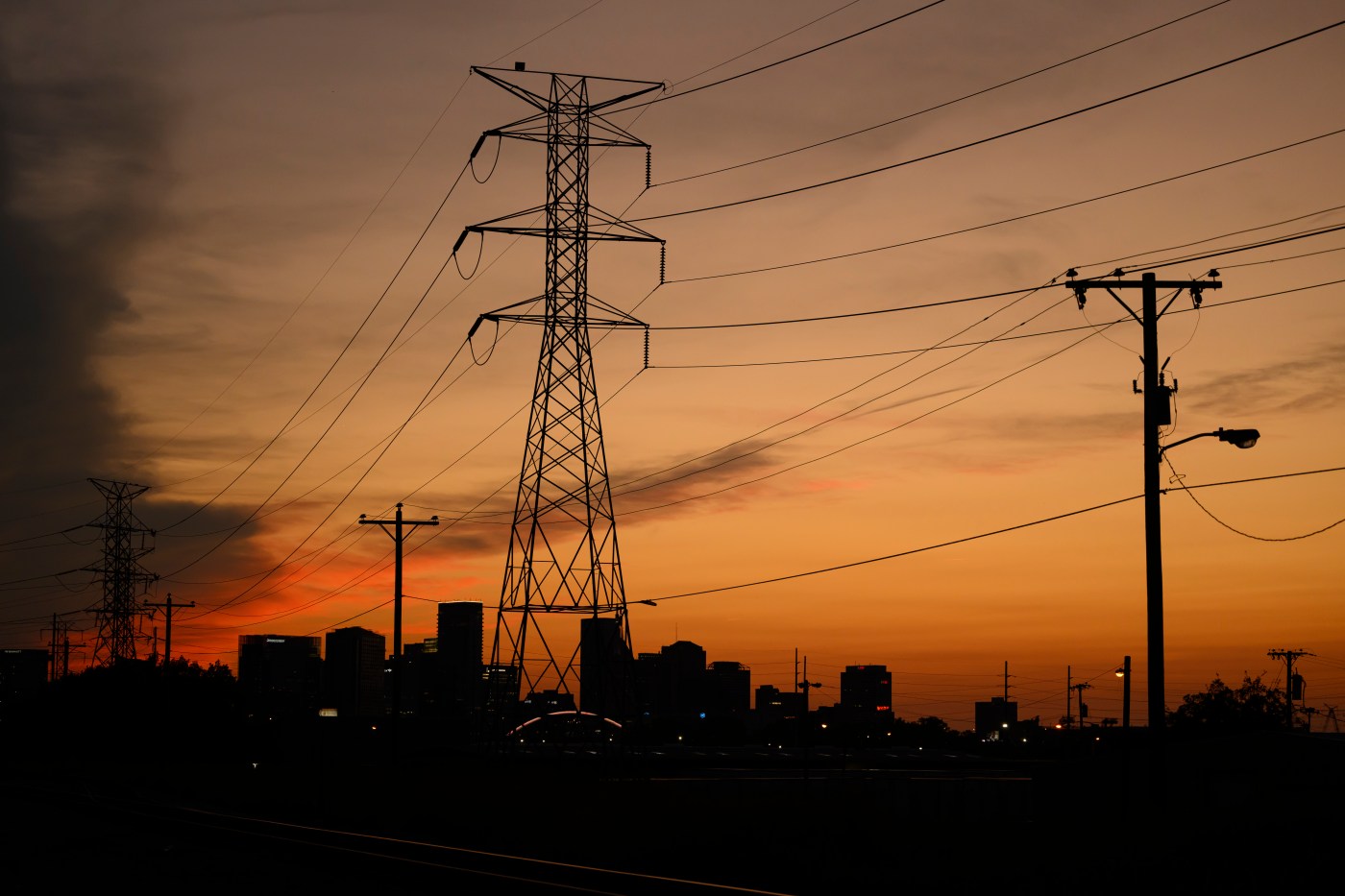
Electricity prices continue to rise across the United States, leading to increased pressure on household budgets this winter. According to the National Energy Assistance Directors Association (NEADA), the average household is expected to spend $995 on home heating this season, reflecting an increase of $84 compared to last year. Additionally, residential electricity prices in 2025 are at their highest level in a decade, with average monthly bills rising by approximately 10% since January.
The surge in electricity costs has ignited a debate over the role data centers play in these increases. While data centers are a significant factor, NEADA attributes the overall rise in electricity prices to several key elements. These include high interest rates, which elevate grid financing costs, a growing reliance on natural gas for power generation, rising demand from data centers, aging energy infrastructure, and regional capacity shortfalls.
In response to these challenges, President Donald Trump has proposed a plan to enhance electricity generation in the Mid-Atlantic region, an area served by PJM Interconnection. The administration aims to reduce electricity costs through the expansion of “reliable baseload” power generation, which includes coal, natural gas, and nuclear energy. A fact sheet from the Department of Energy (DOE) notes that the National Energy Dominance Council has reached an agreement with regional governors to push PJM towards more than $15 billion in new reliable generation.
A contentious issue remains: who will bear the costs of this expansion? The Trump administration argues that ratepayers should not shoulder the financial burden associated with meeting the growing demand from data centers. Instead, the DOE suggests that PJM should require data centers to finance the new generation built for their use, regardless of whether they consume the power. The rationale behind this approach is that shifting some of the buildout costs to large electricity users could alleviate pressure on the grid and contribute to stabilizing consumer prices.
Recently, a bill was introduced in the Senate that would mandate technology companies to contribute their fair share towards the costs incurred due to their energy consumption. This legislation would direct states to assess the feasibility of creating a new rate class specifically for data centers, allowing for a more equitable distribution of costs in comparison to residential consumers.
As discussions around energy costs and data centers continue, the outcome of these legislative efforts may significantly impact how energy expenses are distributed among users in the coming years.