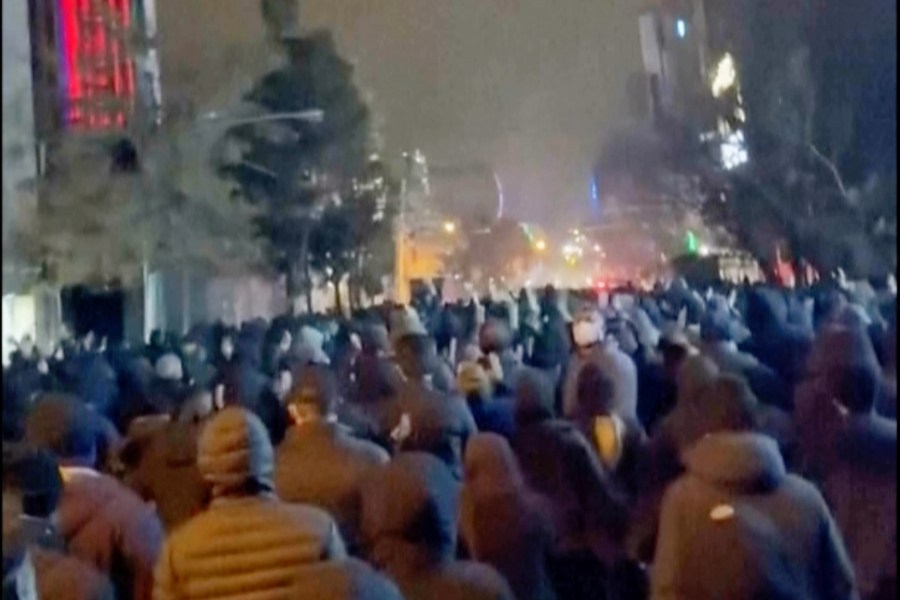
Minneapolis is at the center of a heated debate over immigration enforcement following the shooting death of a nurse. The incident, which involved federal agents, has ignited contrasting responses from state and federal officials, each asserting a moral high ground in their interpretations of the events.
During a news conference on September 24, 2023, Minnesota Governor Tim Walz expressed deep concerns regarding the actions of federal agents. He posed a provocative question to the public, asking whether they wished to support a federal government with the authority to “menace, kill and kidnap citizens.” His remarks reflect a growing frustration among some state officials regarding the aggressive tactics employed by federal immigration enforcement.
In stark contrast, Gregory Bovino, a senior official with the Border Patrol, defended the agency’s actions and shifted the blame for the unfortunate shooting to the victim, Alex Pretti. Bovino stated that Pretti had interfered with law enforcement operations, suggesting that his actions contributed to the tragic outcome. This assertion has drawn criticism from those who argue that it undermines accountability for federal agents involved.
Polarized Responses Highlight Broader Tensions
The shooting incident has intensified the ongoing debate over immigration policies in the United States, particularly in areas heavily impacted by federal enforcement operations. Officials from both sides are using this moment to amplify their positions on immigration, with Governor Walz urging residents to consider the implications of unchecked federal power.
Critics of the federal government’s approach argue that it fosters an environment of fear and mistrust within immigrant communities. They contend that the aggressive tactics employed by immigration agents compromise public safety and create a chilling effect on individuals seeking assistance from law enforcement. In contrast, federal officials maintain that their strategies are necessary to uphold the rule of law and ensure community safety.
The clash in Minneapolis illustrates a broader national struggle over immigration policy, where local and federal authorities often find themselves at odds. As tensions rise, both sides appear determined to rally public support around their respective viewpoints, making it clear that this issue will remain contentious.
Community Impact and Future Implications
As the fallout from the shooting continues, residents of Minneapolis are left to grapple with the implications of these contrasting narratives. Many are calling for accountability and a reevaluation of the federal immigration enforcement practices that they believe endanger lives rather than protect them.
Community leaders are advocating for a more humane approach to immigration, one that prioritizes safety and dignity over aggressive enforcement tactics. They argue that fostering trust between law enforcement and immigrant communities is essential for the overall well-being of the public.
The ongoing debate is not just about a single incident; it reflects larger societal questions about the role and responsibilities of government in matters of law enforcement and civil rights. As both state and federal officials prepare for the next steps in this contentious issue, the eyes of the nation will undoubtedly remain focused on Minneapolis, a city that has become a microcosm of the broader immigration debate.