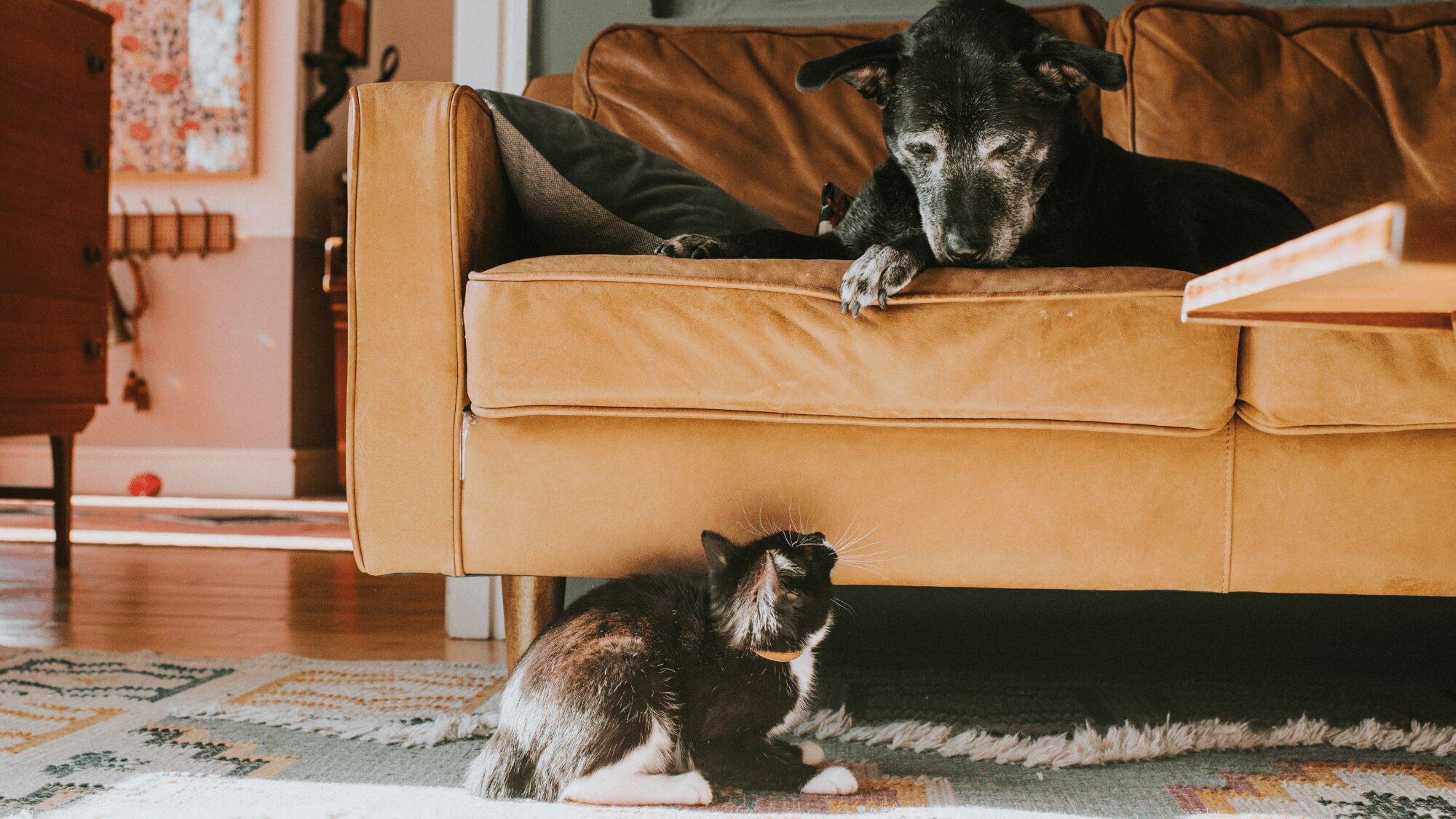
Pets express stress in ways that can be subtle and easily misinterpreted by their owners. Unlike humans, animals do not articulate their feelings verbally, making it challenging to identify when they are overwhelmed or anxious. According to Professor Audra Jones from the Texas A&M College of Veterinary Medicine & Biomedical Sciences, stress in pets often manifests physically before affecting their behavior. This internal strain can influence hormones, digestion, and immune responses, potentially leading to various health issues.
Understanding the signs of stress can help pet owners address their animals’ needs more effectively. Here are five key indicators that your pet may be experiencing more stress than you realize.
1. Subtle Body Language
Pets exhibit certain behaviors that may seem harmless but can indicate stress. Actions such as yawning without being tired, excessive lip licking, or sudden nose flicks are signals that an animal is trying to calm itself. When these behaviors occur frequently, it suggests that the nervous system is under strain.
2. Attempting to Reduce Their Presence
When pets feel threatened, they may instinctively lower their bodies, freeze, or tuck their tails tightly. These behaviors are attempts to make themselves appear smaller and less noticeable. Such responses indicate heightened anxiety and a desire to avoid confrontation.
3. Changes in Appetite
A sudden disinterest in food or treats can be a clear sign of stress. Pets may refuse their favorite meals when feeling overwhelmed. Typically, their appetite will return once they are in a more secure environment.
4. Species-Specific Stress Responses
Different animals exhibit stress in unique ways. For instance, dogs may pant excessively or display unusual jaw movements, while cats might seek refuge in small, enclosed spaces. Recognizing these specific expressions can help owners understand their pets’ emotional states.
5. Unexplained Accidents
In extreme cases, stress can lead to a loss of bladder or bowel control. This reaction indicates that the pet’s stress levels have escalated beyond manageable limits. It is essential for owners to recognize this as a serious signal that their pet requires immediate attention and support.
Strategies for Alleviating Pet Stress
Addressing pet stress does not have to be complicated. Professor Jones emphasizes the importance of remaining calm in stressful situations. Identifying and removing stressors can significantly improve a pet’s well-being. Dramatic reactions or forceful attempts to comfort pets often exacerbate their anxiety.
Gradual exposure to potentially stressful environments can be beneficial. For example, “happy visits” to the veterinarian, where pets are allowed to explore and receive treats without the pressure of a medical procedure, can help rebuild trust. For cats, familiarizing them with carriers well in advance of travel and using synthetic pheromone sprays can create a sense of safety.
When stress becomes a recurring issue, veterinarians might recommend tailored anti-anxiety medications. These treatments can transform unavoidable situations from traumatic experiences into manageable ones.
Recognizing stress in pets is crucial for their emotional and physical health. It is a form of communication that indicates they are struggling to cope with their environment. By listening to these signals and responding appropriately, pet owners can help restore their animals to a calmer and healthier state.