The James Webb Space Telescope has captured stunning new images of the Helix Nebula, providing unprecedented insight into the processes surrounding a dying star. Located approximately 700 light-years away in the Southern Hemisphere, this celestial phenomenon showcases the intricate dynamics at play as a star approaches the end of its life cycle.
The Helix Nebula is often referred to as a “cosmic eye” due to its resemblance to an iris. The latest observations by Webb reveal a wealth of detail, including the complex structures and gases ejected from the star. This nebula represents a planetary nebula, a stage in stellar evolution that occurs after a star has exhausted its nuclear fuel and expelled its outer layers.
Revealing New Details
Webb’s advanced infrared capabilities allow it to see beyond the visible spectrum, uncovering features that were previously hidden from view. The telescope’s instruments can detect the faint light emitted by the ionized gases surrounding the dying star. This includes elements such as hydrogen, nitrogen, and oxygen, which play significant roles in the nebula’s formation.
According to NASA, these new observations are crucial for understanding the lifecycle of stars. As they evolve, stars like the one at the center of the Helix Nebula transition through various stages, ultimately contributing to the creation of new stars and planets. The telescope’s findings not only enhance our knowledge of stellar evolution but also provide essential data for modeling the chemical enrichment of the universe.
The Helix Nebula serves as a prime example of how dying stars contribute to the cosmic ecosystem. The ejected materials from such stars eventually become the building blocks for future generations of stars and planets. This process highlights the interconnectedness of celestial bodies and the importance of studying nebulae like Helix.
Significance of Webb’s Observations
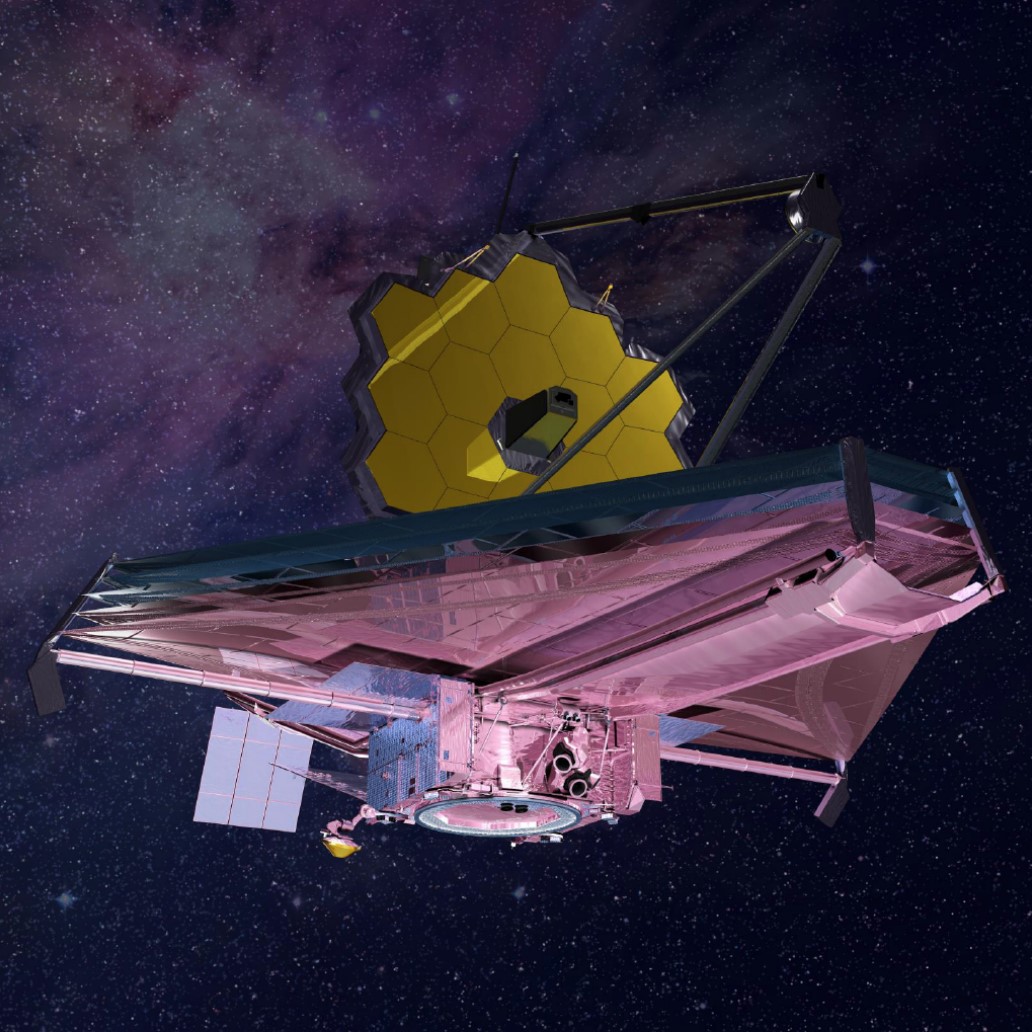
The images released by NASA demonstrate the incredible capabilities of the Webb telescope, which launched in December 2021. Its powerful instruments are designed to observe the universe’s earliest galaxies, exoplanets, and other astronomical phenomena, making it a vital tool for modern astronomy.
Astronomers are particularly excited about the wealth of data Webb will continue to provide. As the telescope orbits the Sun, it will conduct a series of observations, allowing scientists to analyze a range of celestial objects. This includes not only nebulae but also distant galaxies, star clusters, and the atmospheres of exoplanets.
The Helix Nebula’s observations are just the beginning. As researchers delve deeper into the data collected by Webb, they anticipate discovering more about the mechanics of star formation and the conditions necessary for life in the universe.
With each new revelation, the James Webb Space Telescope reinforces its position as a groundbreaking instrument in the field of astronomy, offering a clearer view of the universe’s mysteries and the processes that govern it.