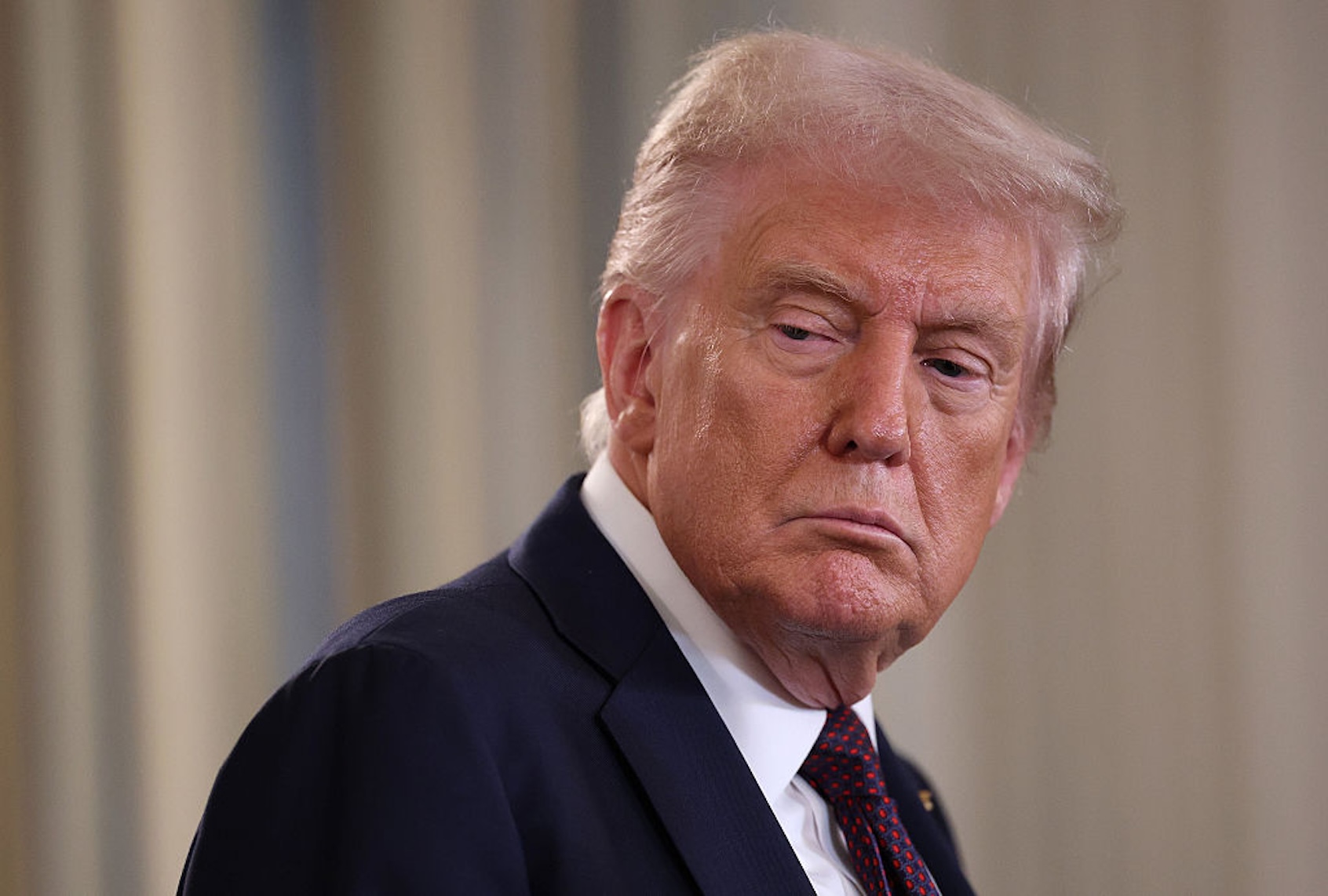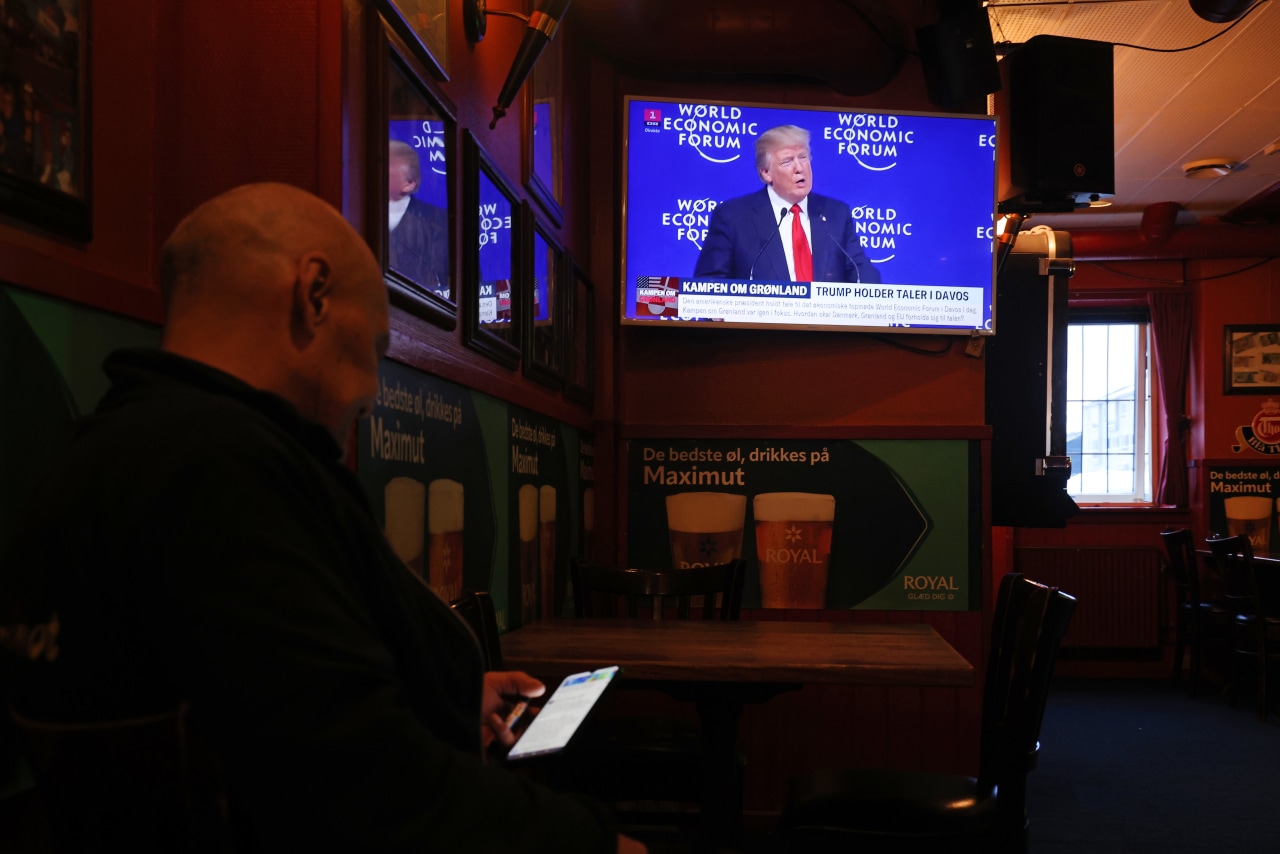
The abrupt shift in strategy by President Donald Trump regarding the potential acquisition of Greenland has left many questions unanswered about the future of U.S.-Danish relations. Initially expressing interest in purchasing the autonomous territory from Denmark, Trump’s sudden decision to cancel a planned state visit on August 20, 2019, has created a climate of uncertainty surrounding any future negotiations.
The proposal to buy Greenland sparked significant backlash from the Danish government, which firmly rejected the idea. Danish Prime Minister Mette Frederiksen characterized the notion as “absurd,” leading to increased tensions between the two nations. Following the cancellation of his visit, Trump stated that he was no longer interested in pursuing the deal, thereby complicating discussions that had barely begun.
This unexpected turn of events raises important questions about the dynamics of international relations between the United States and Denmark. Experts suggest that the administration’s initial enthusiasm for acquiring Greenland was rooted in its strategic importance, particularly in relation to military positioning and resource access in the Arctic region. The U.S. Department of State has not provided clear guidance on the future of such discussions, further fueling speculation.
In the aftermath of the announcement, various stakeholders have voiced their opinions on the implications for international diplomacy. Some analysts argue that Trump’s approach may have damaged diplomatic ties, while others point to the need for a more nuanced strategy in dealing with allies. With both countries having a vested interest in Arctic affairs, the potential for collaboration remains, albeit under a cloud of uncertainty.
Greenland holds significant resources, including rare minerals and potential oil reserves, making it a valuable asset in the eyes of many nations. The geopolitical implications of this interest cannot be overstated, especially as global competition for Arctic resources intensifies.
As the situation evolves, observers are left to wonder whether the U.S. will seek to re-engage with Denmark over Greenland in the future. With President Trump’s unpredictable foreign policy strategies, it remains unclear how or when these discussions might resume.
Both nations now face the challenge of navigating this diplomatic impasse while also considering the broader implications for their respective populations. The residents of Greenland, who have a say in their own governance, may also play a crucial role in any potential negotiations moving forward.
The abrupt cancellation of Trump’s visit and his subsequent comments underscore the complexities of international dealings in an era marked by shifting alliances and changing priorities. As the international community watches closely, the future of Greenland remains uncertain, with many hoping for a resolution that fosters cooperation rather than conflict.