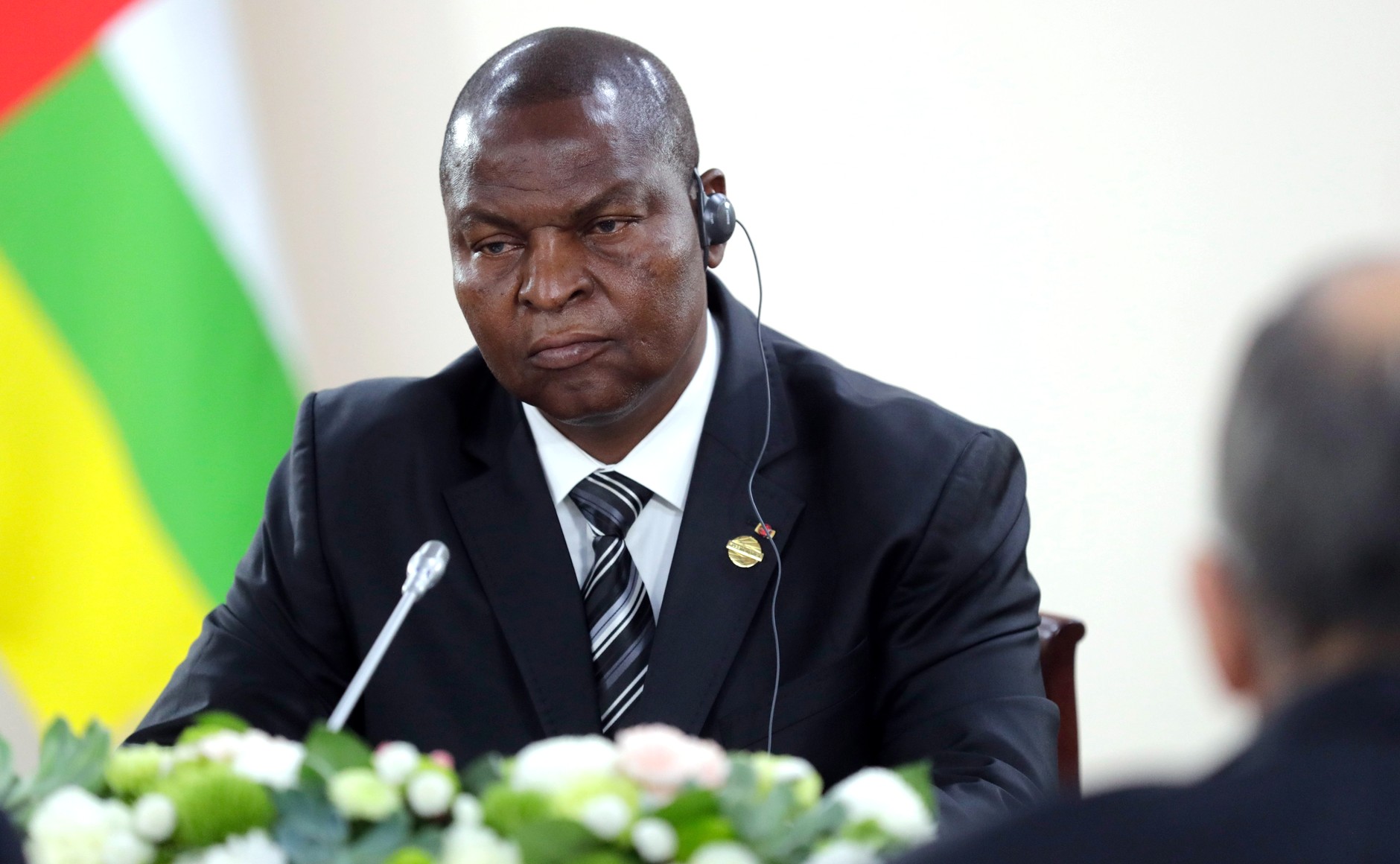
The Constitutional Court of the Central African Republic (CAR) officially confirmed on January 5, 2024, that President Faustin Archange Touadéra has secured a third term in office. He received approximately 78 percent of the votes in the December 28 election, which included legislative, regional, and municipal ballots. This ruling solidifies Touadéra’s leadership position, despite claims of electoral fraud from his opponents.
The court’s decision follows provisional results that were released shortly after the election. The main opposition candidate, Anicet-George Dologuélé, who challenged the results, garnered 13.5 percent of the votes. His appeal against the election results was rejected by the court, which was presided over by Jean-Pierre Waboe, the President of the Constitutional Court. Waboe stated, “on behalf of the Central African people, the Constitutional Court declares Faustin Archange Touadéra president-elect in the first round with 77.9 percent of the vote.”
The national election authority reported that voter turnout for the election exceeded 52 percent, with approximately 2.4 million Central Africans participating. The electoral process occurred amid concerns about foreign influence, particularly from Russia, which has provided military support to Touadéra’s government.
Touadéra has been in office since 2016 and has relied heavily on foreign military assistance to bolster security and combat armed rebel groups. This support has come primarily from the Wagner Group, a Russian paramilitary organization, as well as troops from Rwanda. In addition to his military alliances, Touadéra orchestrated a constitutional referendum in 2023 that removed presidential term limits, facilitating his bid for a third term in 2025.
The court’s confirmation of Touadéra’s presidency grants him full legal backing to continue his administration despite the opposition’s allegations of electoral irregularities. His government has faced ongoing challenges, including instability from various armed groups and the need for continued international support.
In the wake of the court’s ruling, political analysts will be closely monitoring the implications for governance and stability within the Central African Republic. As Touadéra prepares for his new term, the effectiveness of his administration in addressing the country’s pressing issues remains a focal point for both domestic and international observers.