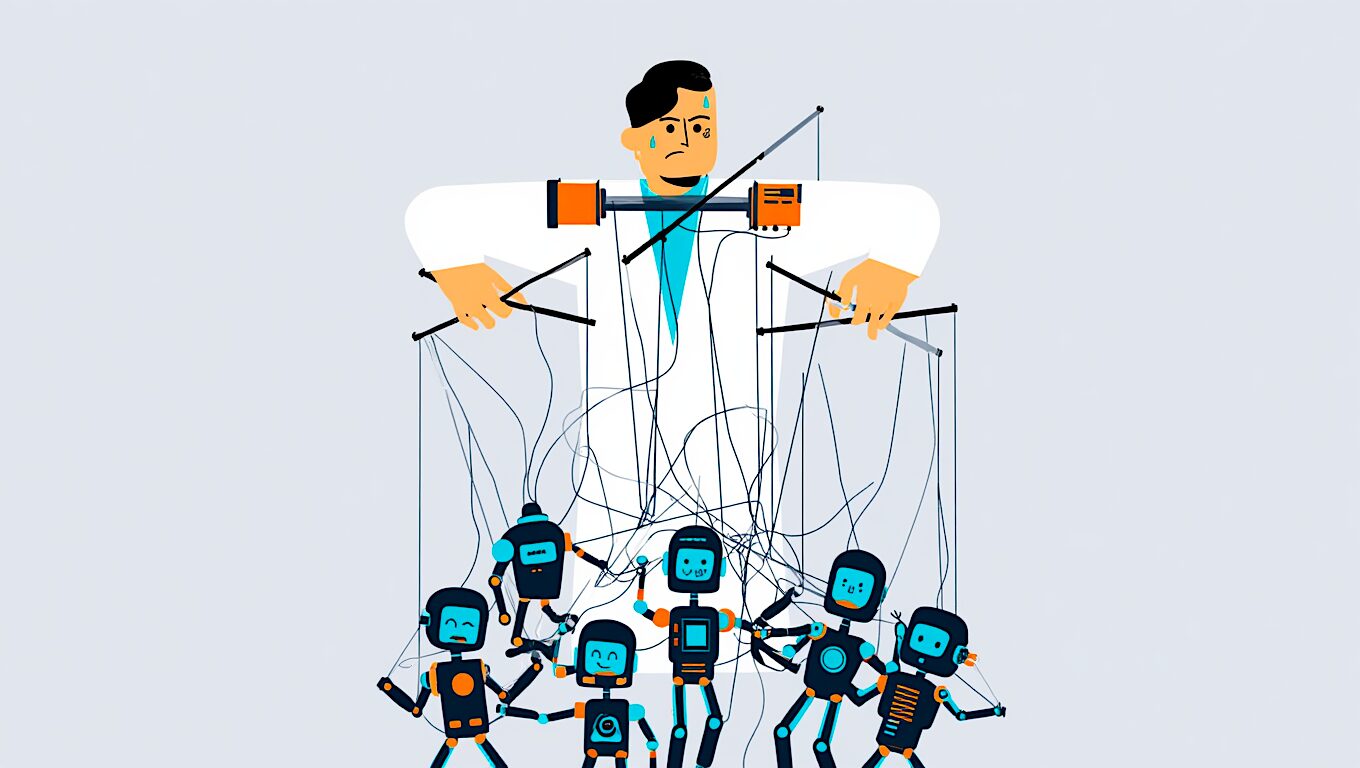
Artificial intelligence (AI) has reached a pivotal moment where traditional human oversight models are being called into question. As AI systems now make millions of decisions every second across various fields, including fraud detection and cybersecurity, the notion of a human supervising each decision has become impractical. Experts argue that the reliance on a “human-in-the-loop” approach is increasingly outdated, as generative and agentic AI systems transition from experimental phases to mainstream production.
The demand for continuous, automated monitoring of AI systems is growing. A single fraud detection model, for instance, may evaluate millions of transactions hourly, while a recommendation engine influences billions of interactions daily. Despite this rapid pace, oversight practices often remain manual and retrospective. Such an approach is inadequate, as it fails to keep up with the evolving landscape of AI, where machine-speed failures can occur before humans even recognize a problem.
The challenges associated with traditional human oversight are compounded by AI’s nondeterministic nature and vast output capabilities. Automated systems can malfunction, leading to significant repercussions, such as flash crashes in financial markets or runaway digital advertising expenditures. In these scenarios, human oversight was often present, but the response was too slow or fragmented to mitigate the damage effectively.
Experts are now advocating for a shift towards automated oversight mechanisms that can operate at the same speed and scale as the AI systems they are intended to monitor. This transition does not aim to eliminate human involvement but rather to integrate AI into the governance framework effectively. The goal is to enhance decision-making processes and security outcomes by allowing AI to monitor AI.
Redefining Human Roles in AI Governance
The framework for AI risk management is evolving, as highlighted in the NIST AI Risk Management Framework, which outlines an iterative lifecycle of governance. This framework emphasizes the importance of ongoing monitoring and automated alerts. As a result, AI observability systems that utilize AI to monitor other AI systems are gaining traction. These systems can detect performance degradation, bias shifts, and policy violations in real-time, providing critical insights and escalating risks to human operators when necessary.
Critics of AI governance express concerns about potential blind trust in AI systems. However, effective models incorporate a layered approach with clear separations of power, where one AI monitors another within human-defined parameters. This structure mirrors the functioning of internal audits and security operations, where human designers set operating standards and policies while AI executes and monitors compliance.
For technology leaders, this represents an architectural mandate. The challenge lies in creating an enterprise-wide oversight stack that is sufficiently fast, transparent, and auditable to justify the deployment of AI systems. The reality is that a single human supervisor cannot feasibly oversee every AI operation, given the rapid pace of technological evolution.
By allowing AI to govern AI while elevating human roles to focus on design and oversight, organizations can better navigate the complexities of modern AI systems. Emphasizing the collaboration between humans and AI is essential for establishing effective governance frameworks that protect against potential failures and enhance overall system performance.
As the landscape of AI continues to change, technology leaders must assess whether their current governance strategies can keep pace with the demands of AI operations. The future of effective AI oversight lies in a balanced integration of human insight and automated capabilities.