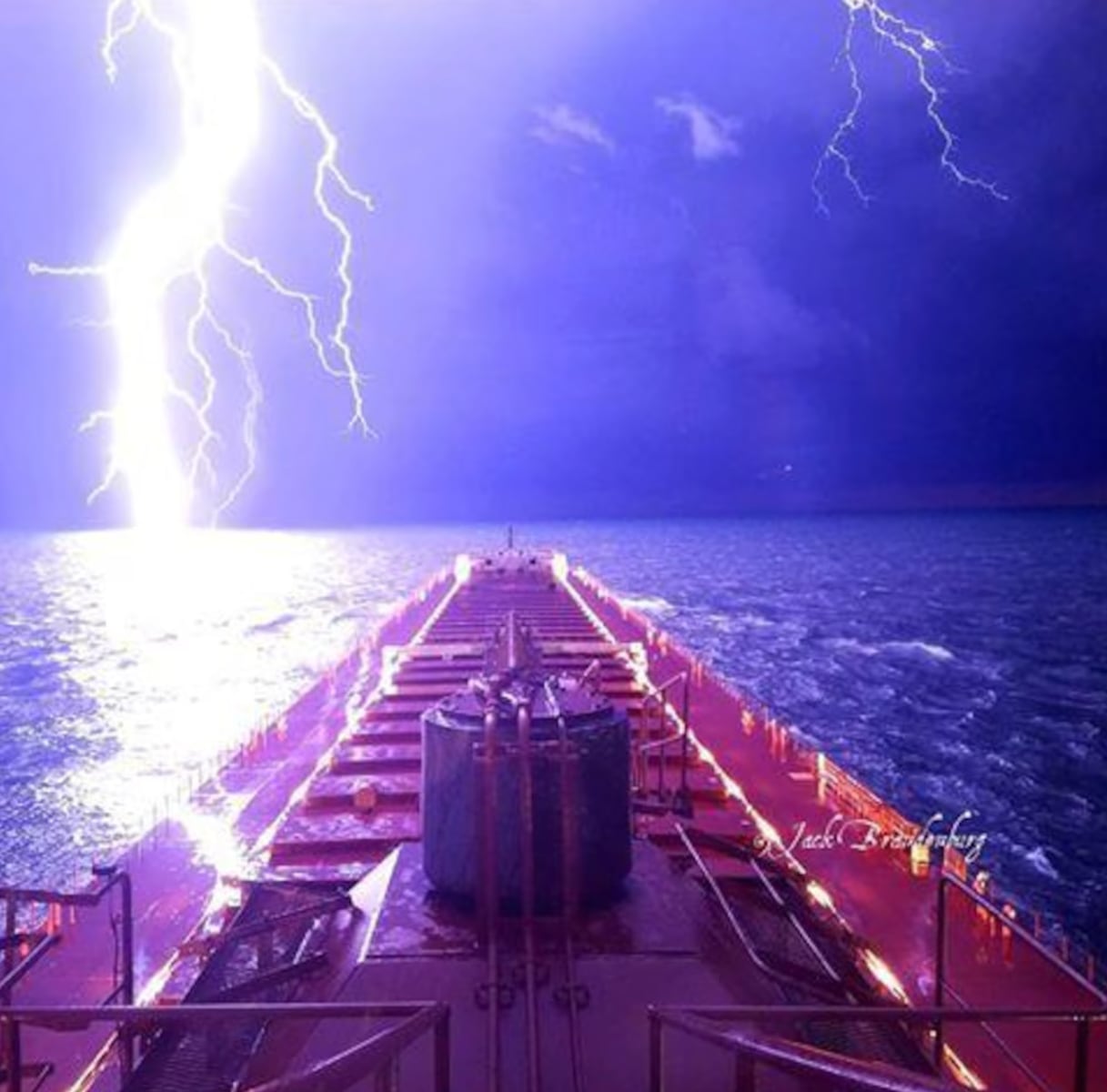
URGENT UPDATE: Michigan is experiencing an unprecedented surge in lightning activity, with over 100,000 lightning strikes reported in just one county during the year 2025. The latest data from the National Lightning Detection Network (NLDN) reveals alarming figures that highlight the state’s unusual weather patterns.
The NLDN, owned by Vaisala Xweather, meticulously tracks all lightning events across the United States. This year, Shiawassee, Genesee, Lapeer, St. Clair, and Saginaw Counties emerged as the lightning capitals of Michigan, experiencing between 32 and 64 lightning flashes in every half-mile square area. This dramatic rise in activity is raising concerns about safety and infrastructure.
Locations like Ogemaw County, which includes West Branch, also saw significant lightning activity, making it a point of interest for meteorologists. Despite being farther north—typically not a hotspot for lightning—Ogemaw County reported an unusual concentration of strikes, indicating a shifting weather pattern that could have serious implications.
In stark contrast, areas like Grand Rapids, Ann Arbor, and Detroit recorded less lightning than usual, complicating the overall picture of Michigan’s storm activity this year. The data indicates that counties such as Lapeer, Ogemaw, Cheboygan, Presque Isle, and Leelanau experienced double the normal occurrence of lightning strikes, raising alarms for emergency services and residents alike.
Officials are urging residents to stay vigilant as cloud-to-ground strikes, which are often the most dangerous, continue to pose risks. The NLDN has confirmed that cloud-to-ground strikes are particularly concerning due to their potential for damage and injury. With the increased frequency of lightning, authorities recommend that residents take precautions during thunderstorms, including avoiding outdoor activities and securing vehicles.
As the storm season continues, meteorologists and local officials are closely monitoring this striking trend. The findings from this year’s lightning data are prompting discussions about climate change and its impact on local weather patterns, with experts warning of potential long-term effects.
Stay tuned for further updates as this story develops. For now, residents across Michigan are advised to remain alert and prepared for the potential dangers associated with this surge in lightning activity.