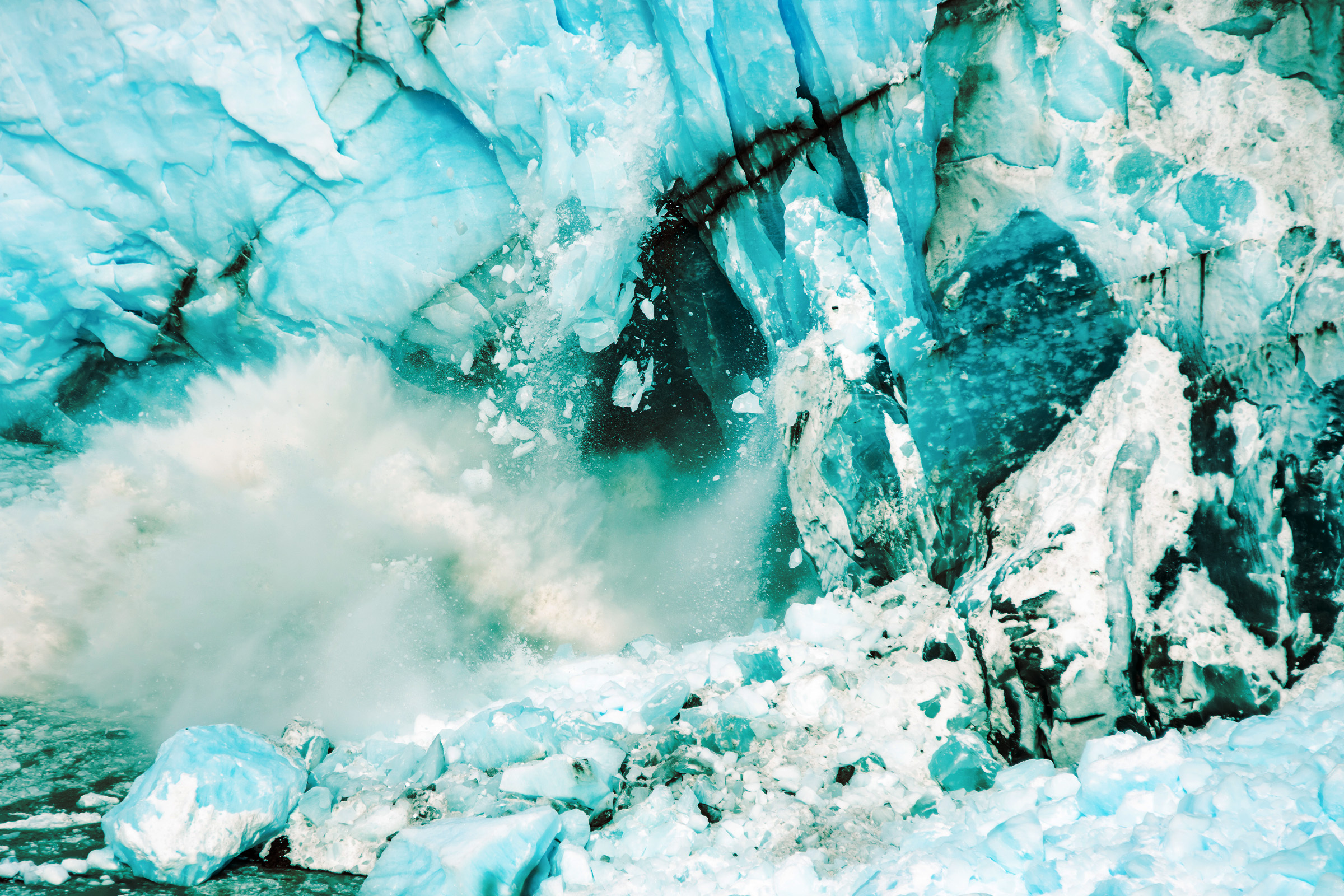
Recent findings reveal that Antarctica’s Thwaites Glacier, often referred to as the Doomsday Glacier, has experienced an alarming increase in seismic activity. A total of 362 earthquakes were detected between 2010 and 2023, raising concerns about the glacier’s stability and the potential consequences for coastal communities worldwide. The study, published in the journal Geophysical Research Letters, indicates that the glacier may be more vulnerable than previously believed.
Seismic Activity Highlights Fragility of Thwaites Glacier
Research led by Thanh-Son Phạm, a seismologist at the Australian National University, suggests that the disintegration of Thwaites Glacier could lead to a rise in sea levels of between two and ten feet. This level of flooding would devastate coastal regions globally. The study’s findings underscore the inadequacy of current global efforts to mitigate climate change and its effects on polar ice.
Phạm’s research indicates that the seismic events primarily originated from the Thwaites Glacier, where they are believed to be linked to the calving of icebergs into the ocean. The earthquakes detected typically registered around magnitude 5 on the Richter scale, comparable to those observed in warmer Arctic regions, such as Greenland. However, the mechanisms driving these Antarctic earthquakes remain poorly understood due to a lack of comprehensive data.
Urgent Need for Enhanced Monitoring
To address the urgent need for better understanding of Antarctic ice dynamics, Phạm advocates for the establishment of a dedicated seismic network on the continent. This network would monitor glacial movements and could provide crucial insights into the potential for abrupt changes in ice stability over the coming decades. With the ongoing climate crisis, the risk of significant ice loss from the Thwaites Glacier is a growing concern among scientists.
As global temperatures continue to rise, the Thwaites Glacier serves as a vital barrier that prevents larger ice masses from sliding into the ocean. Its collapse would not only result in substantial sea-level rise but could also trigger further destabilization of the West Antarctic ice shelf. Researchers are now intensifying their focus on this critical region, as the implications of its potential collapse are profound and far-reaching.
In summary, the seismic activity detected at Thwaites Glacier signals a pressing need for closer monitoring and a reevaluation of climate change strategies. As scientists work to unravel the complexities of these ice dynamics, the urgency for global action has never been clearer.