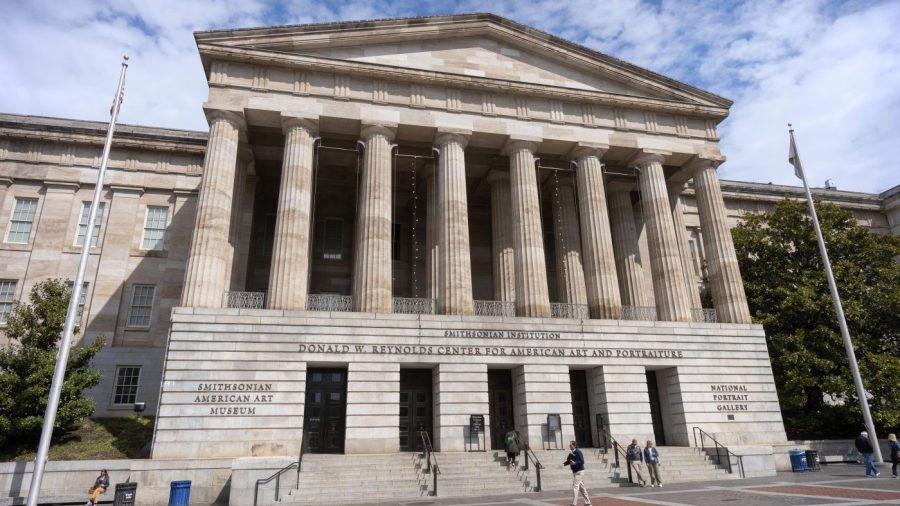
The Smithsonian Institution’s National Portrait Gallery has unveiled a new photographic portrait of former President Donald Trump. Alongside the portrait, the gallery has made significant changes by removing most of the text that previously referenced his two impeachments and the events surrounding the January 6, 2021, Capitol attack. This update, reported by The Washington Post, has sparked discussions regarding the portrayal of Trump’s presidency in a prominent national institution.
The updated exhibit, titled “America’s Presidents,” was shared through the White House’s official social media accounts, highlighting the changes to the gallery’s presentation of Trump. The removal of the impeachment references has raised questions about the narrative being constructed around his time in office.
Context of the Changes
The National Portrait Gallery has a long-standing tradition of showcasing the portraits of U.S. presidents, which often include contextual information about their terms. The decision to alter the accompanying text seems to reflect a broader effort to reshape how history is presented in public institutions. The removals could be interpreted as an attempt to either sanitize or redefine the legacy of Trump’s administration.
Trump was impeached twice during his presidency, first in December 2019 on charges of abuse of power and obstruction of Congress, and again in January 2021 for incitement of insurrection related to the Capitol riots. These historical events are significant in the context of American politics, making their absence from the exhibit noteworthy.
The gallery’s actions follow similar patterns seen in various cultural institutions grappling with how to represent controversial figures from history. The implications of such changes can influence public perception and understanding of historical events.
Public Reaction and Implications
The response to the gallery’s modifications has been mixed. Supporters argue that the new presentation allows for a more streamlined focus on the visual aspects of leadership, while critics contend that omitting references to impeachment diminishes the complexity of Trump’s presidency.
This development highlights the ongoing debates about historical representation and the role of public institutions in shaping collective memory. As the National Portrait Gallery continues to evolve its displays, the conversation around what constitutes an accurate portrayal of presidential history remains critical.
The Smithsonian’s decision to update the exhibit raises important questions about accountability and historical narrative. As institutions strive to reflect the values of the present, they must also consider the lessons of the past, ensuring that history is not only preserved but accurately represented for future generations.