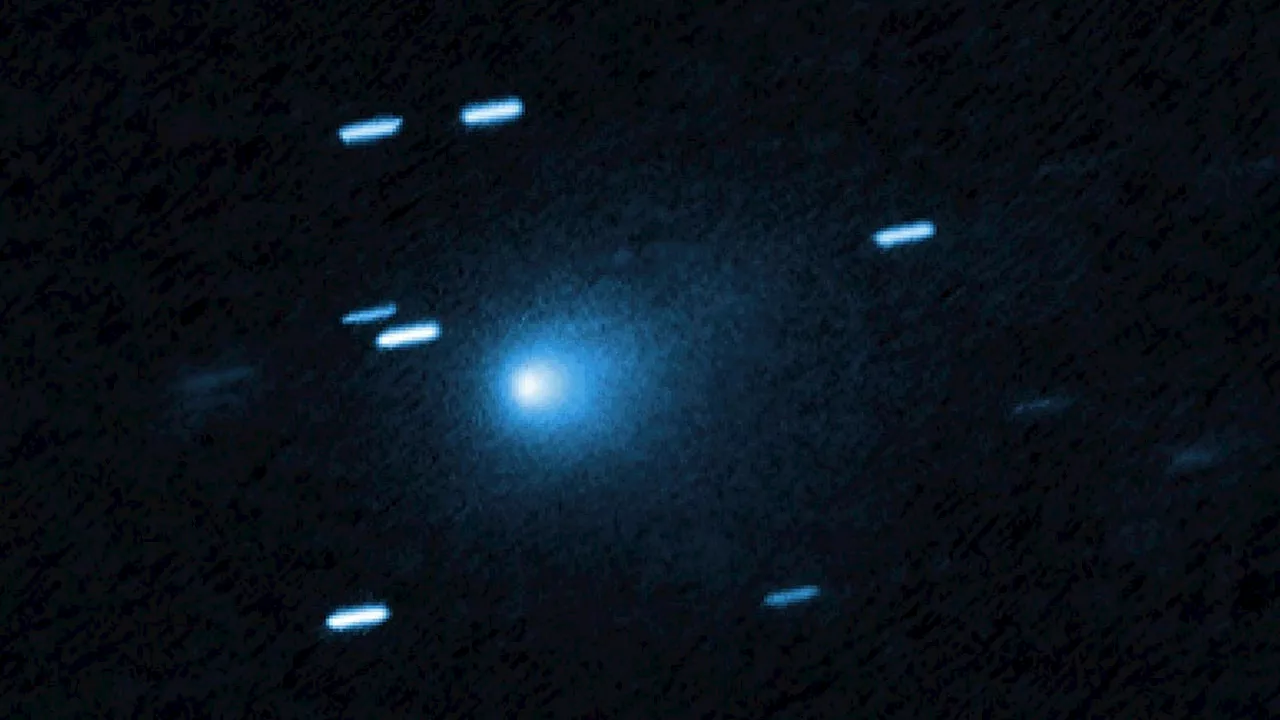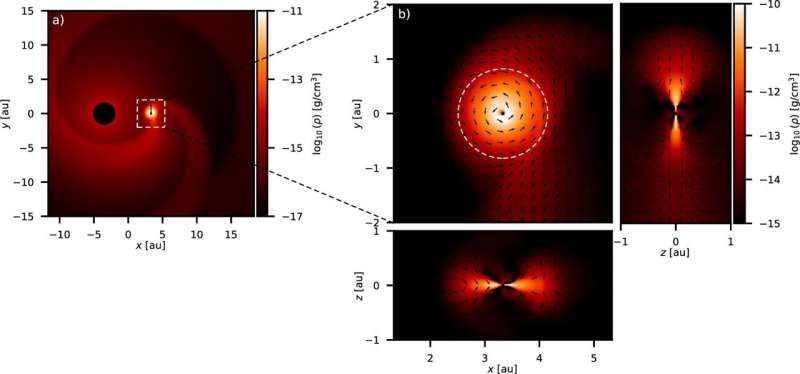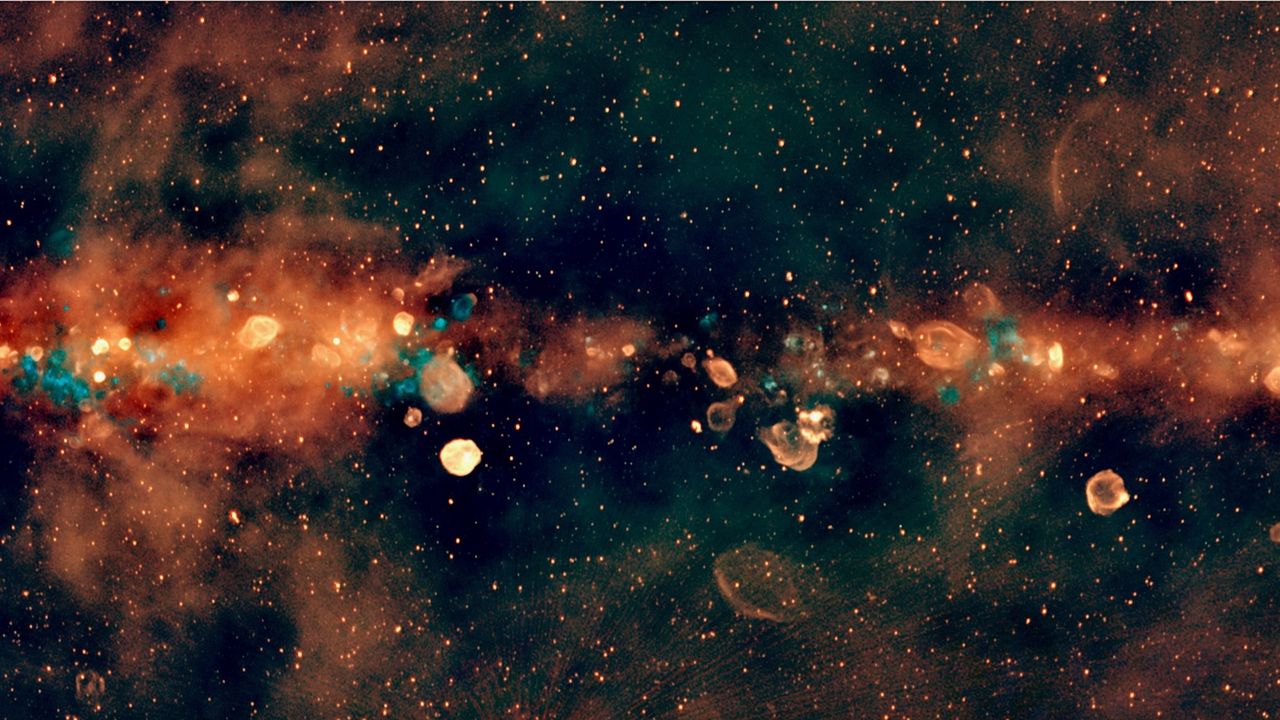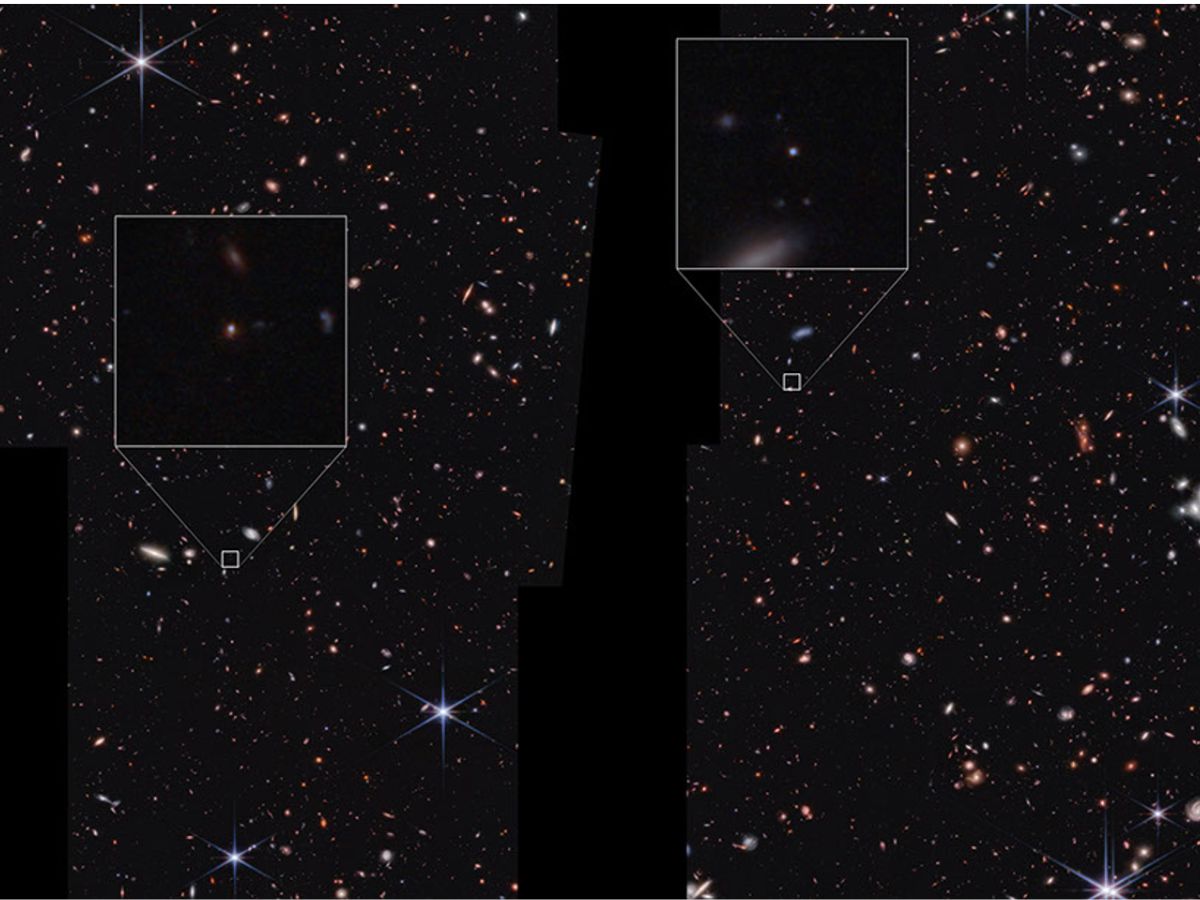
NASA’s James Webb Space Telescope has identified a series of celestial objects that defy existing scientific classifications. This groundbreaking discovery, announced on March 15, 2024, has intrigued astronomers who are eager to understand the implications for our knowledge of the universe.
The Webb telescope, launched in December 2021, has been instrumental in providing unprecedented views of distant galaxies and other cosmic phenomena. Its advanced capabilities allow scientists to capture data that was previously unattainable with older telescopes. The recent findings include unusual shapes and compositions that challenge the current understanding of cosmic classifications.
Researchers at NASA’s Goddard Space Flight Center in Greenbelt, Maryland, are currently analyzing the data collected by the Webb telescope. Among the objects identified are formations that appear to be both larger and more complex than anticipated. According to the team, these strange entities may offer insights into the early stages of galaxy formation.
Challenging Existing Theories
The discovery of these unclassified objects raises important questions about the formation and evolution of the universe. Dr. Eric Smith, the program scientist for the Webb telescope, stated, “These findings could revolutionize how we think about the cosmos. They challenge existing theories and suggest that there is much more to learn about the universe’s history.”
The data suggests that these objects do not fit neatly into the categories of known galactic structures, such as stars, galaxies, or nebulae. Some of the identified formations exhibit characteristics that suggest they may belong to an entirely new category of cosmic phenomena. This has prompted scientists to reconsider their models of how galaxies and other celestial structures are formed.
Implications for Future Research
The implications of this discovery are significant. As astronomers continue to analyze the data from the Webb telescope, they anticipate that these unusual cosmic objects could lead to new lines of inquiry in astrophysical research. The findings may also influence upcoming missions and studies aimed at further exploring the universe.
NASA plans to hold a series of discussions and presentations to share the findings with the broader scientific community. The agency is committed to fostering collaboration among researchers to harness the collective expertise in deciphering these new cosmic mysteries.
As the scientific community digests this information, many are hopeful that these discoveries will enrich our understanding of the universe. The James Webb Space Telescope’s ongoing mission is set to reshape the landscape of astronomy, pushing the boundaries of human knowledge further into the cosmos.