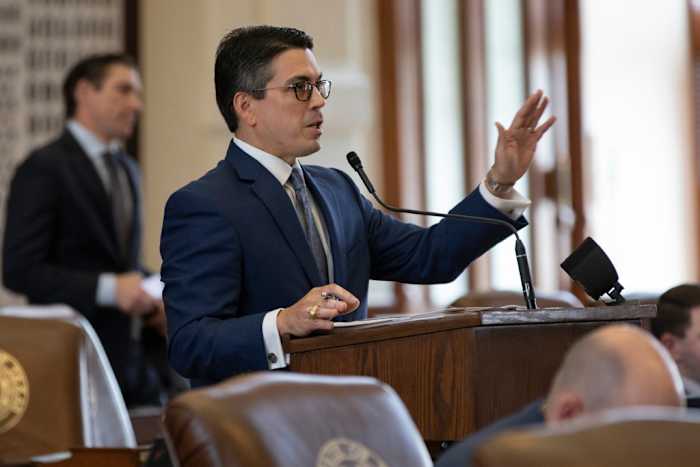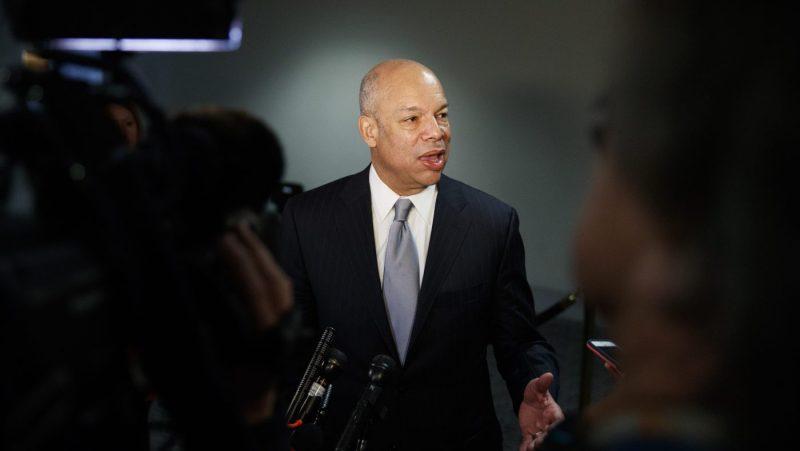
New reports confirm that former DHS Secretary is sounding the alarm over potentially alarming recruitment tactics being employed by ICE (U.S. Immigration and Customs Enforcement). In a statement released earlier today, the former official expressed serious concerns about the rhetoric surrounding recruitment, particularly the phrase “Defend your culture,” which he describes as a “dog whistle” for extremist ideologies, including the controversial Great Replacement theory.
JUST IN: The former secretary’s warning comes amidst a broader discussion about the implications of recruitment strategies that may appeal to divisive sentiments. The specific language used in these campaigns has raised eyebrows and fueled fears about the types of individuals being attracted to law enforcement roles within ICE.
The timing of these revelations is critical. With immigration policies and enforcement under intense scrutiny, the impact of recruitment messages could sway public perception and influence the culture within ICE. There are mounting concerns that such rhetoric may foster an environment that encourages discrimination and biases against certain groups.
WHY THIS MATTERS NOW: The implications of these recruitment tactics extend beyond law enforcement. They touch on national identity and the social fabric of communities across the United States. As the nation grapples with complex immigration issues, the language used to recruit officers reflects deeper societal divisions.
As this situation develops, many are watching closely for further comments from current officials at the Department of Homeland Security and ICE. The former secretary’s remarks are expected to fuel ongoing debates about the role of immigration enforcement in America and the need for accountability in recruitment practices.
WHAT TO WATCH FOR: Stakeholders across the political spectrum are likely to respond to these claims in the coming days, and further investigations into ICE’s recruitment strategies may be initiated. The public and advocacy groups will closely monitor how these developments shape the future of immigration enforcement in the U.S.
Stay tuned for updates as this urgent situation unfolds.