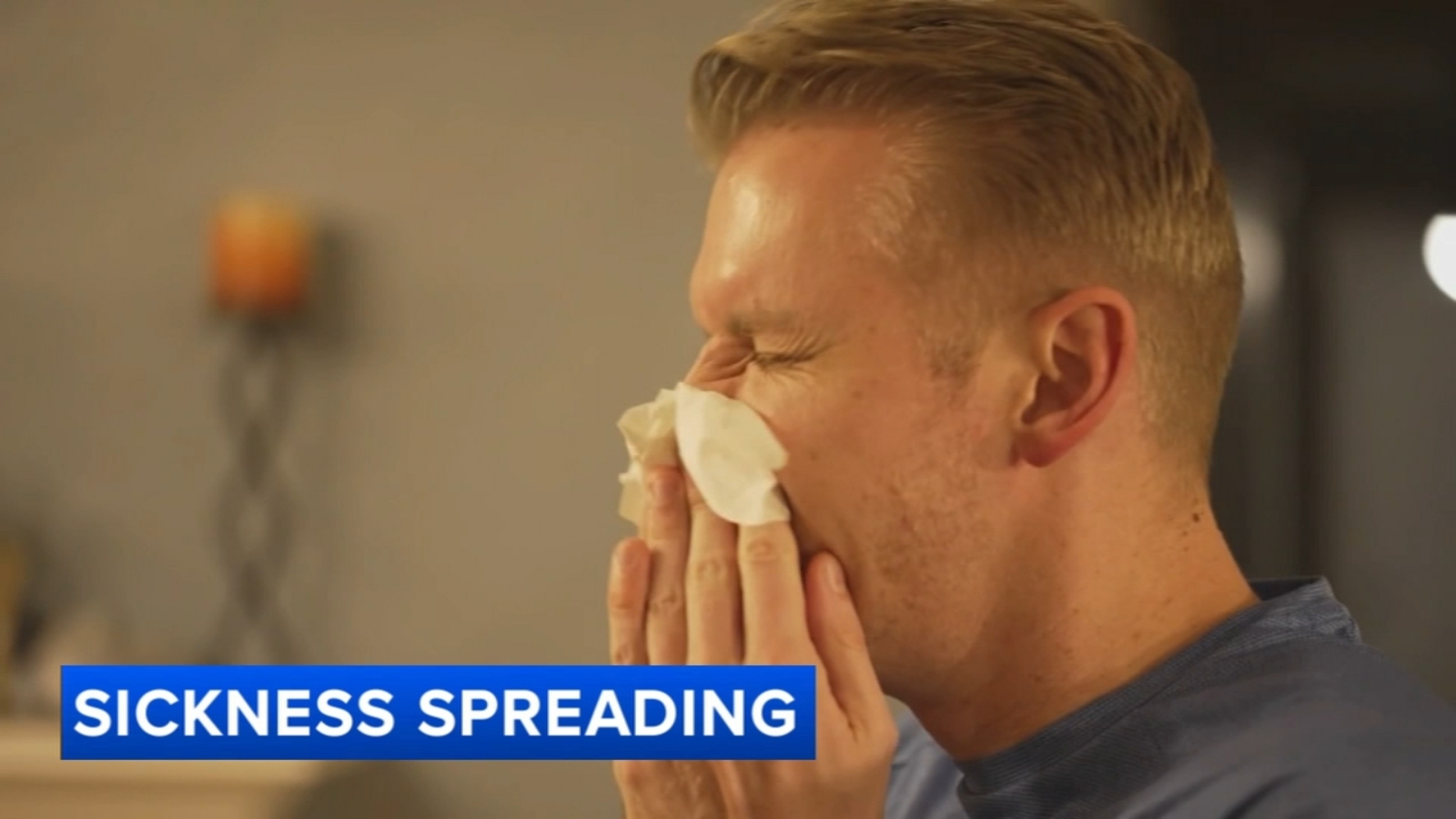
Hospitals in South Jersey are gearing up for an increase in patients suffering from respiratory illnesses as flu activity rises nationwide. Facilities such as those operated by Virtua Health are already witnessing a surge in emergency room visits linked to respiratory infections, notably influenza A, alongside growing cases of COVID-19 and respiratory syncytial virus (RSV).
Dr. Martin Topiel, the chief of infection prevention at Virtua Health, stated, “We’re seeing many emergency room visits related to respiratory infections of all kinds. Certainly, flu is a major part of that.” The impact of this surge extends beyond hospital walls, as illness spreads within communities and workplaces.
Residents in the area have reported significant illness, with many expressing concerns over the seasonal uptick in respiratory infections. Alex Schmidt, a nursing home worker from Cherry Hill, New Jersey, noted, “There’s a lot of people who have been sick lately. A lot of flu.” Schools are also feeling the effects, as Amy Fanrak, who works at an elementary school in Haddonfield, remarked on how travel has contributed to the spread among students and staff.
As the cold and flu season reaches its peak, many individuals are taking precautions to protect themselves and others. Molly Kaminski shared her family’s approach, stating, “We’ve just been trying to stay away from folks, not in any restaurants or anything like that. We’ve also gotten the flu shot.” Others, like Schmidt, are relying on preventive measures, such as wearing masks and maintaining a healthy lifestyle.
According to the Centers for Disease Control and Prevention (CDC), New Jersey is currently categorized as having “very high” flu activity. The presence of multiple circulating viruses complicates diagnosis based solely on symptoms. As a result, many are opting for combination over-the-counter tests that can detect both flu A, flu B, and COVID-19. Dr. Topiel emphasized that while positive results from these tests are typically reliable, negative outcomes should be approached with caution.
“The problem is if the tests are negative, it really doesn’t rule out COVID, it doesn’t rule out influenza,” Topiel explained. “It might mean there’s a low viral level, but it still might cause significant symptoms.” He urged individuals to seek medical advice when experiencing symptoms that could potentially transmit to others, such as fever, a significant cough, or excessive mucus production.
Certain symptoms warrant immediate medical attention, according to health professionals. Wheezing, shortness of breath, and chest pain are critical signs that should prompt a visit to the hospital. Additionally, individuals with a history of heart issues are advised to consult their healthcare provider promptly.
As hospitals brace for the expected influx of patients, the community’s proactive measures and awareness will play a crucial role in managing the impact of this respiratory season.