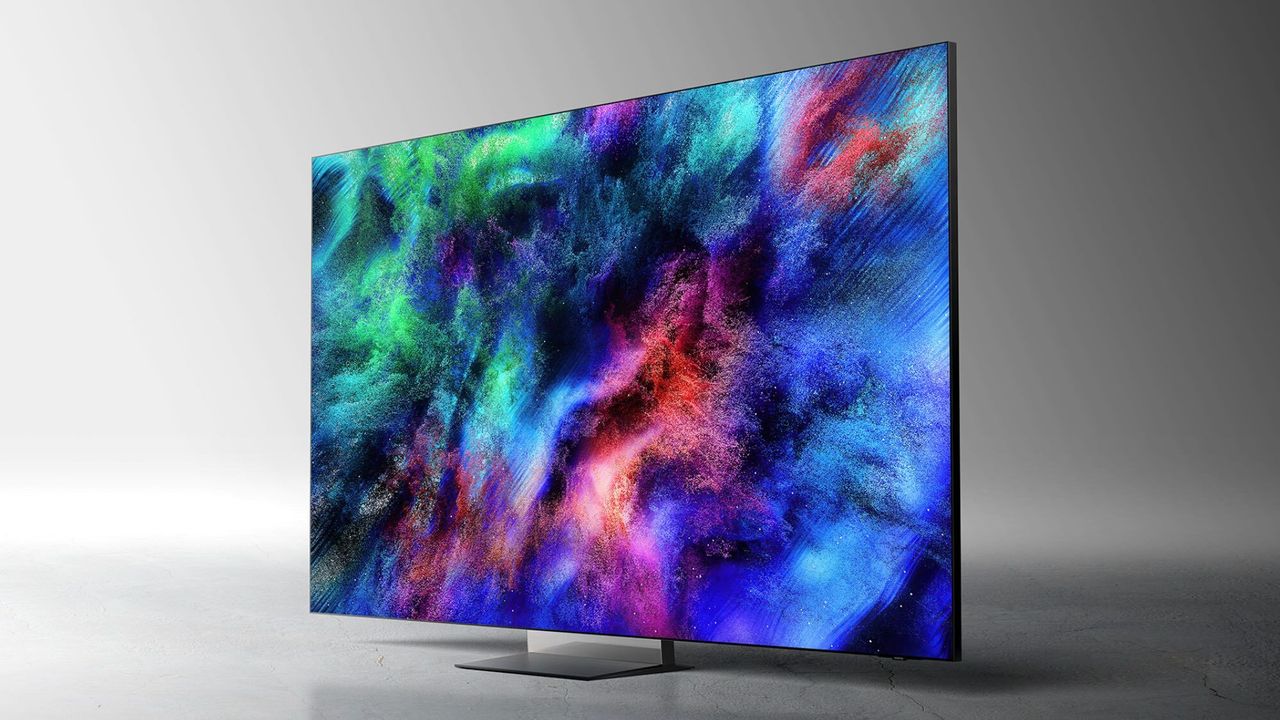
The upcoming CES 2026, scheduled for January in Las Vegas, promises to unveil significant advancements in technology, particularly in the realm of artificial intelligence. This year’s focus will likely highlight a feature that has thus far flown under the radar: AI energy-saving modes. While many companies will showcase various TV designs, these innovative modes could reshape how consumers interact with their televisions, all while promoting sustainability.
Traditionally, televisions have incorporated basic energy-saving settings, often labeled as eco modes. Most models come with these options pre-set, aimed at reducing electricity consumption and lowering monthly energy bills. However, users frequently sacrifice picture quality for savings, as these modes typically adjust brightness and contrast, resulting in less vibrant images.
AI energy-saving modes, in contrast, leverage advanced algorithms rather than straightforward artificial intelligence. These algorithms adapt settings more intelligently, optimizing energy use without compromising the viewing experience. Features such as dynamic local dimming and automatic brightness adjustments based on ambient light conditions are just a few examples of how these modes can enhance both energy efficiency and picture quality. Furthermore, these systems can align with specific energy consumption regulations, tailoring performance based on regional guidelines in markets like the United States and the European Union.
Samsung has already begun integrating AI energy-saving modes into its televisions, first introduced during CES 2025. As a leader in sustainability initiatives, Samsung is expected to further develop this technology at CES 2026, where it is likely to be a focal point of their showcase.
Why CES 2026 is Crucial for Energy Efficiency
CES has long been a premier platform for technological innovation, attracting a diverse range of brands committed to sustainability. In 2025, Samsung’s “Home for Efficiency” zone highlighted the importance of energy management across various appliances. This commitment is especially relevant as global conversations about climate change and energy consumption intensify.
During CES 2026, the emphasis on AI-driven energy optimization in televisions will be significant. As televisions evolve into central hubs within smart homes, their ability to communicate with other devices can lead to broader energy-saving strategies. For instance, advanced televisions could coordinate with smart home systems to ensure that energy consumption is minimized across all appliances, promoting a more sustainable lifestyle.
As technology continues to advance, the integration of AI in everyday devices is becoming more prominent. The challenge has always been to improve energy efficiency without sacrificing user experience. With AI energy-saving modes, consumers may no longer need to choose between cost savings and high-quality visuals.
Looking Ahead: The Future of Sustainable TVs
CES 2026 may mark a turning point in the pursuit of sustainable television technology. Innovations like AI energy-saving modes represent a significant leap forward, merging environmental responsibility with cutting-edge technology. As we strive to reduce our carbon footprint, these advancements could make a meaningful impact on our daily lives.
The next generation of TVs promises more than just basic energy adjustments; they could serve as vital components in creating greener homes. With the growing influence of AI, these systems will likely become essential tools for managing energy consumption effectively. This shift could transform how individuals perceive their televisions—not merely as entertainment devices but as active participants in fostering sustainability.
As CES 2026 approaches, the excitement surrounding AI energy-saving modes is palpable. This feature could very well redefine the standards for television technology, making it an essential topic of discussion for both consumers and industry professionals alike.