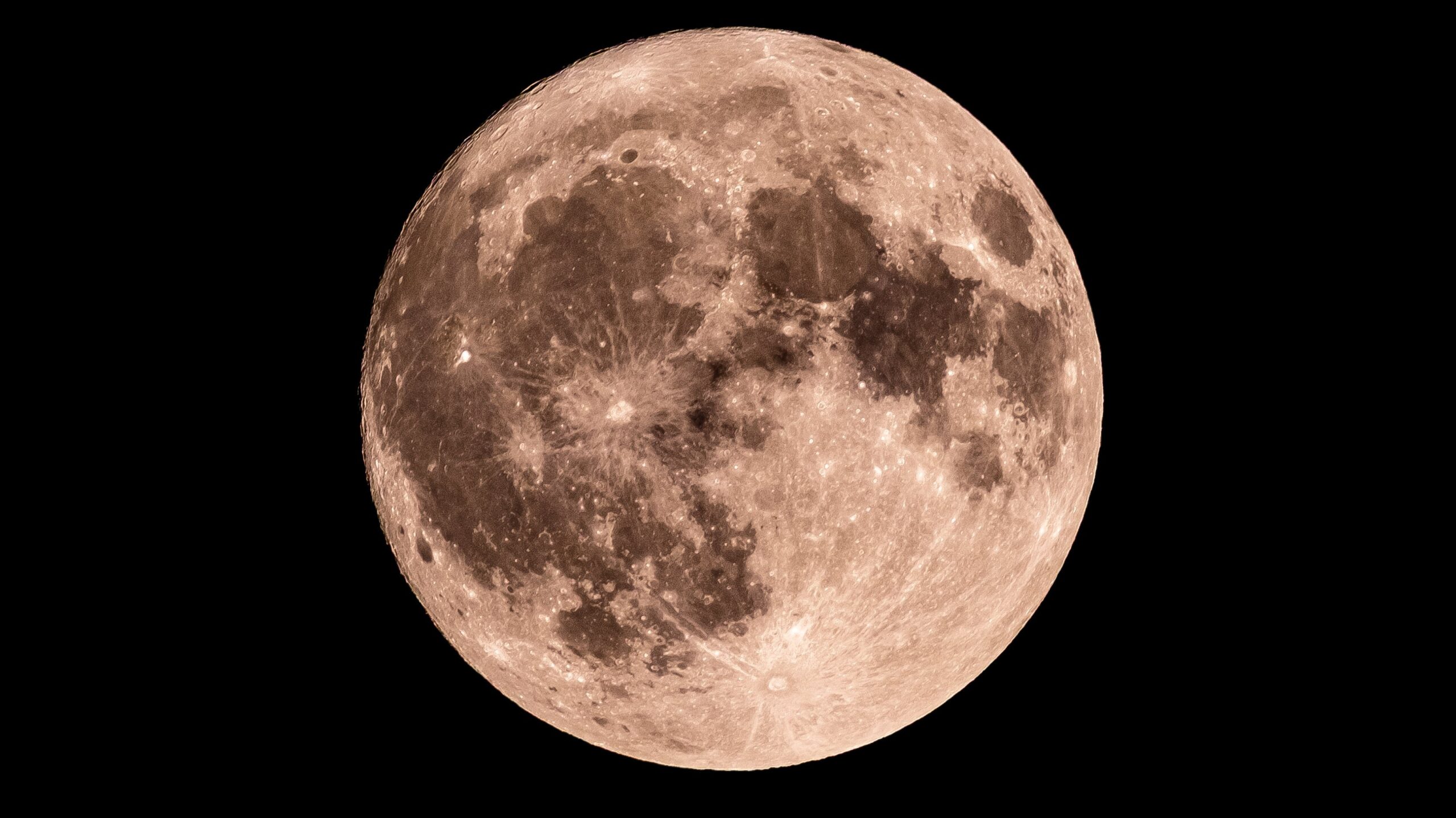
The night of January 3, 2024, will feature a Full Moon, known as the Wolf Moon, marking the fourth consecutive supermoon of the season. According to The Sky Live, the moon will be 100% illuminated, providing a spectacular sight for stargazers and night sky enthusiasts.
The Wolf Moon traditionally signifies the first full moon of the year. This name originates from the time of year when wolves were often heard howling outside villages. Observers can expect to see the moon shining brightly throughout the night, creating a stunning backdrop for various evening activities.
Understanding Moon Phases
Moon phases occur due to the lunar cycle, which takes approximately 29.5 days to complete. As the moon orbits the Earth, it transitions through various phases, altering the visibility of its illuminated surface. While the same side of the moon consistently faces our planet, the amount of sunlight it reflects changes, leading to the different appearances observed throughout the lunar cycle.
NASA outlines eight main phases of the moon, each with its own characteristics:
– **New Moon**: The moon is positioned between the Earth and the sun, rendering it invisible to the naked eye.
– **Waxing Crescent**: A small sliver of light appears on the right side of the moon.
– **First Quarter**: Half of the moon is illuminated, appearing as a half-moon.
– **Waxing Gibbous**: More than half of the moon is lit, but it is not yet full.
– **Full Moon**: The entire face of the moon is fully illuminated.
– **Waning Gibbous**: The moon begins to lose light on the right side.
– **Third Quarter**: Another half-moon, this time with the left side lit.
– **Waning Crescent**: A thin sliver of light remains on the left side before the moon returns to darkness.
Looking Ahead
Following the Wolf Moon on January 3, the next full moon is set to occur on February 1, 2024. Each full moon carries its own significance and name, often reflecting cultural traditions and natural phenomena.
For those interested in astronomy, these celestial events provide an opportunity to engage with the wonders of our universe. Observing the moon and its phases can be both a scientific endeavor and a source of inspiration for many. As the Wolf Moon brightens the night sky, it invites everyone to take a moment to appreciate the beauty and complexity of the cosmos.