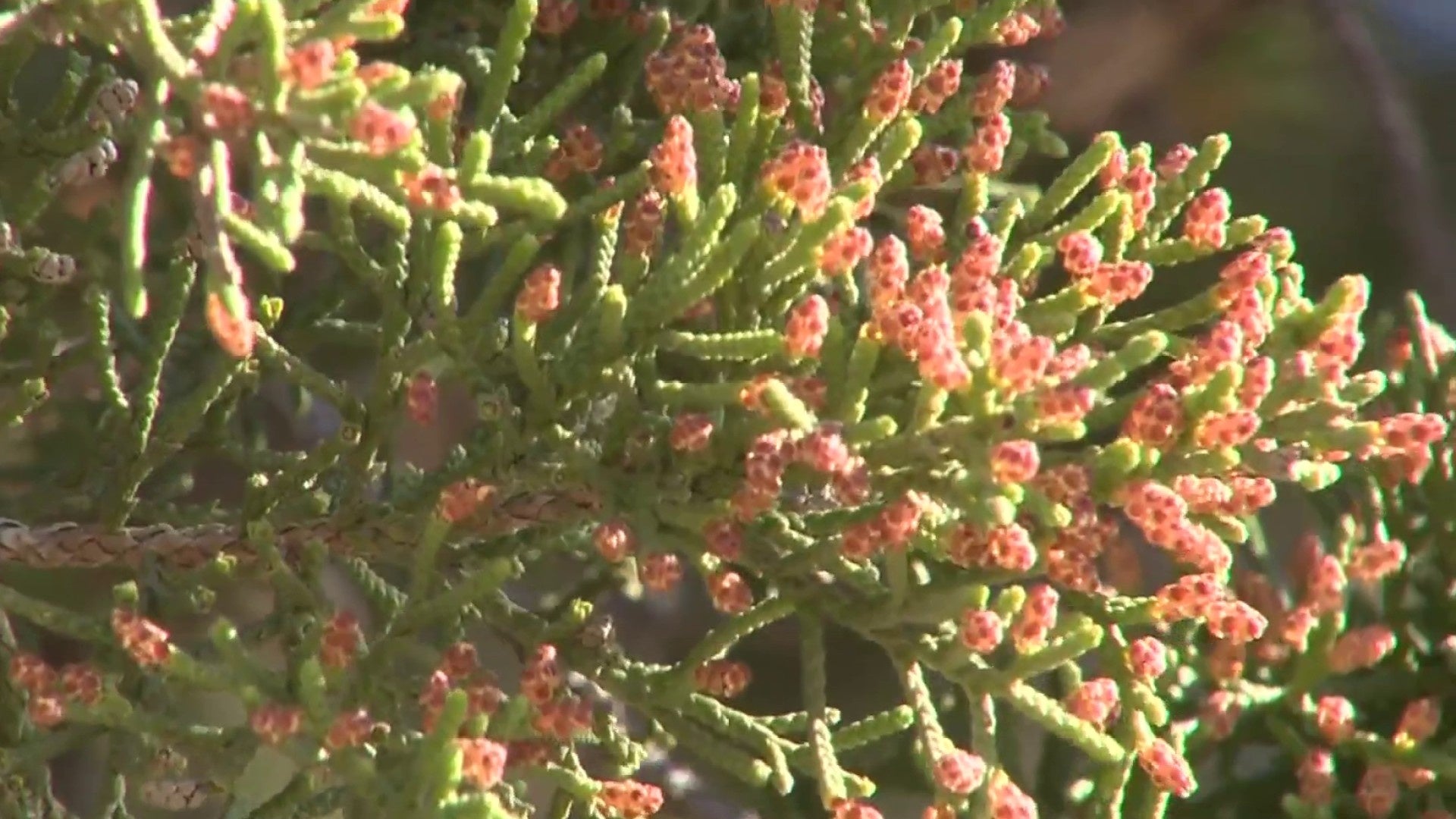
URGENT UPDATE: Mountain cedar pollen levels are surging across San Antonio, reaching alarming heights of up to 12,000 pollen grains per cubic meter of air. This spike signifies a peak period in the cedar pollen season, which is impacting residents right now.
As of January 2024, the area is experiencing VERY HIGH levels of mountain cedar pollen. Recent measurements have fluctuated between 9,000 and 12,000 grains, a significant concern for allergy sufferers. The historical peak was recorded in 1982 at a staggering 80,000 grains.
Mountain cedar, derived from Ashe juniper trees, typically begins pollinating in December, with peak activity hitting its stride in early January. This natural cycle coincides with cold fronts that bring northerly winds, effectively transporting pollen into the San Antonio area. The region can expect these high levels to persist for approximately six more weeks.
Residents are advised to take precautionary measures against the effects of cedar pollen. Over-the-counter treatments such as antihistamines and nasal steroids are recommended for managing allergy symptoms. In more severe cases, allergy shots and oral steroids may be necessary.
“Stay safe out there, as mountain cedar season is in full effect,” stated local meteorologists from the KSAT Weather Authority.
For the latest updates, including hourly pollen counts, residents can access the KSAT Weather app, which offers customized forecasts for San Antonio and surrounding areas. Additionally, stay informed with real-time forecasts, radar, and alerts on the KSAT Weather Authority page.
As pollen levels continue to fluctuate, it’s crucial for those affected to monitor the situation closely and take appropriate health measures. The growing pollen count not only affects outdoor activities but also has significant health implications for allergy sufferers.
Stay tuned for further developments regarding mountain cedar pollen levels and health advisories in the coming days.