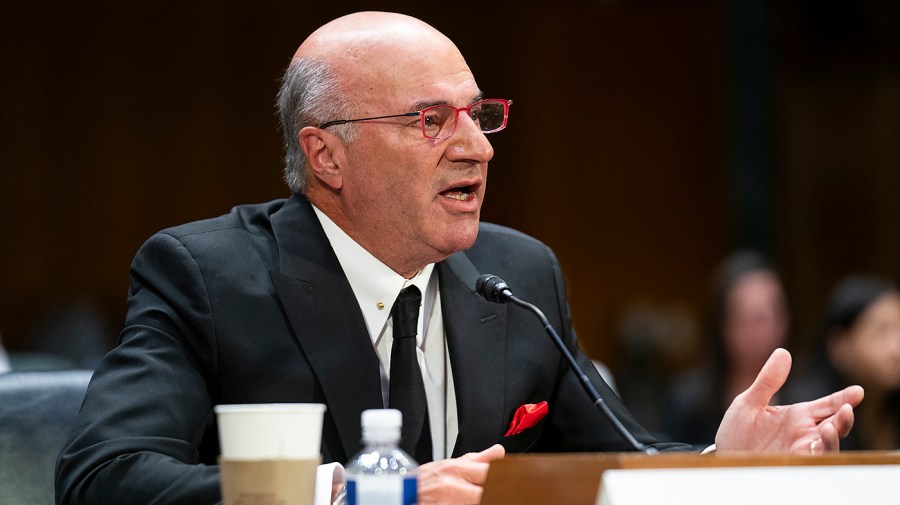
Businessman and investor Kevin O’Leary forecasted on January 2, 2024, that adjustments to President Donald Trump‘s tariff policy will be forthcoming in the new year. Speaking on NewsNation’s “On Balance” with host Batya Ungar-Sargon, O’Leary emphasized the necessity for “fine-tuning” the existing tariff framework, particularly regarding trade relations with Canada and India.
O’Leary’s comments come in the wake of President Trump imposing significant tariffs, including levies of 35 percent on Canadian goods and 50 percent on products from India. These measures were enacted as part of the administration’s broader strategy to protect domestic industries and address trade imbalances. However, O’Leary expressed concern that these high tariffs could inadvertently harm American consumers and businesses reliant on imported goods.
The investor’s insights reflect a growing sentiment among business leaders who advocate for a more balanced approach to tariffs. O’Leary noted that high tariffs can lead to increased prices for consumers and potential retaliatory actions from trading partners. He urged the administration to reassess its stance and engage in discussions that could lead to more favorable terms for all involved parties.
In his interview, O’Leary highlighted the importance of maintaining strategic alliances, particularly with Canada, one of the United States’ largest trading partners. He pointed out that a more cooperative approach could yield benefits for American manufacturers while ensuring that Canadian suppliers remain viable.
As the new year progresses, the business community will be closely monitoring any developments in tariff policy. O’Leary’s predictions may resonate with many in the industry who are keen on fostering a trade environment that encourages growth and innovation.
While the specifics of the potential adjustments remain unclear, O’Leary’s call for a reassessment underscores the complexities of international trade and the need for policies that reflect the interconnectedness of global markets. As discussions evolve, it will be crucial for policymakers to balance the interests of domestic industries with the realities of international trade dynamics.