The White House is poised to dismantle the National Center for Atmospheric Research (NCAR) in Colorado, a decision that threatens not only climate science on Earth but also our understanding of space weather. Russ Vought, Director of the Office of Management and Budget, described NCAR as “one of the largest sources of climate alarmism in the country” in a December 16 post on X. This move is part of a broader agenda by the Trump administration aimed at reducing funding for climate research and removing data from government websites.
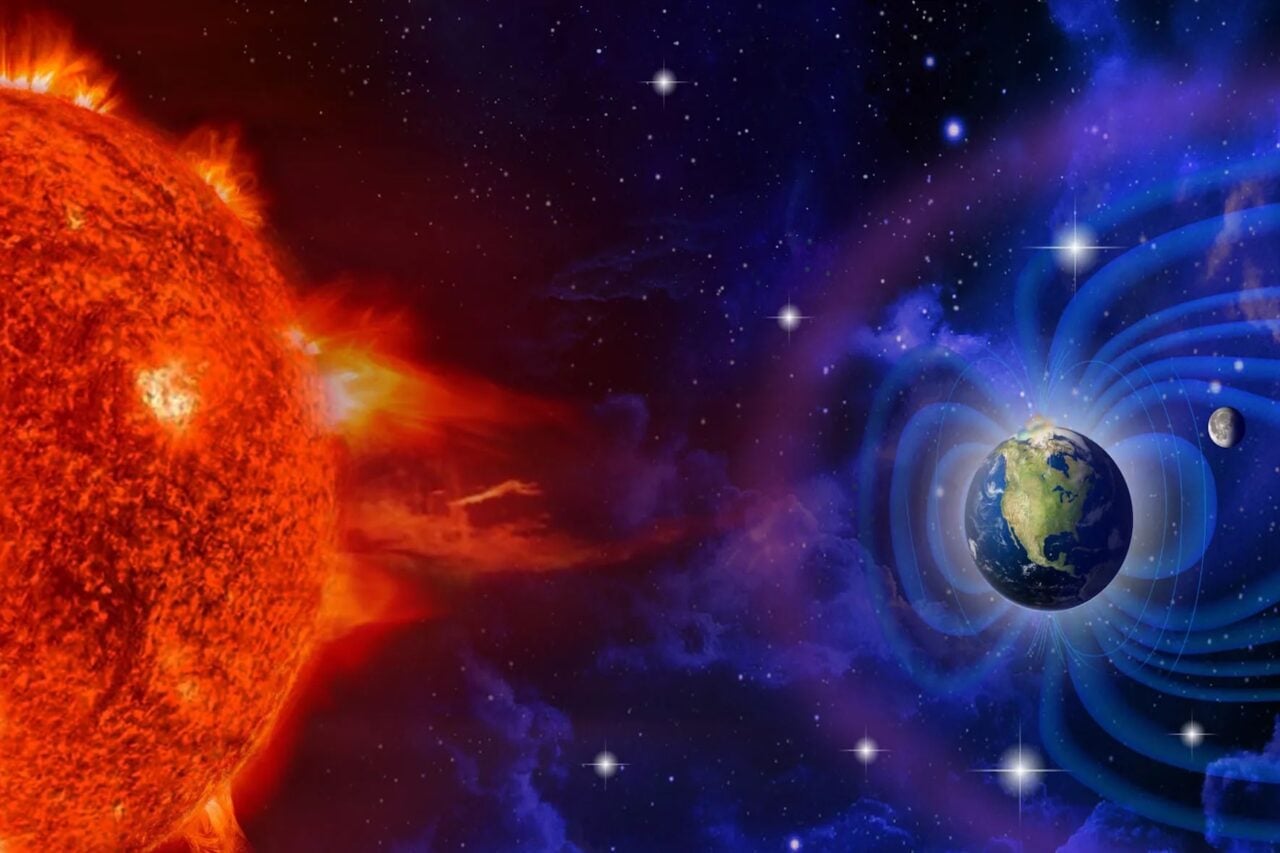
Founded over six decades ago, NCAR conducts vital research on Earth’s atmosphere, weather, and climate, while also studying space weather and the Sun’s influence on Earth’s magnetosphere. This research is crucial, as two of NASA’s upcoming heliophysics missions depend on NCAR’s scientific contributions.
NASA Missions at Risk
Earlier this month, NASA advanced two heliophysics missions aimed at enhancing our understanding of solar activity and its effects on Earth. The Chromospheric Magnetism Explorer (CMEx), led by NCAR scientist Holly Gilbert, is designed to study the Sun’s chromosphere—the reddish layer of the Sun’s atmosphere. CMEx seeks to unravel the origins of solar eruptions and identify the magnetic sources of solar wind.
Asal Naseri, acting associate flight director for heliophysics at NASA Headquarters, emphasized the significance of these missions: “These mission concepts, if advanced to flight, will improve our ability to predict solar events that could harm satellites we rely on every day and mitigate danger to astronauts near Earth, at the Moon, or Mars.”
Another mission, the Solar Transition Region Ultraviolet Explorer (STRUVE), is also led by NCAR and is scheduled to launch in 2029. This project aims to explore the chromosphere and corona of the Sun, focusing on energy storage and release during solar storms. Principal investigator Alfred de Wijn highlighted the importance of understanding the magnetic field’s behavior in the chromosphere, which plays a crucial role in solar eruptions.
Uncertainty Surrounds Future of NCAR
With the future of NCAR uncertain, it remains unclear whether the proposed spacecraft will be able to carry out their missions. Vought indicated that research activities previously conducted at NCAR might be transferred to other organizations, though no specifics on this process have been disclosed.
Dara Norman, president of the American Astronomical Society (AAS), expressed concern over the implications of dismantling NCAR. She stated, “[R]esearch conducted at NCAR informs our understanding of space weather hazards caused by solar storms and the atmospheric properties of other planets in and beyond our solar system.” Norman has called on Congress to exercise its oversight authority and investigate the rationale behind the National Science Foundation’s decision.
Amid this uncertainty, U.S. lawmakers have begun supporting legislation aimed at reversing the proposed cuts to scientific research at NASA and other agencies. As the January 30 deadline approaches for enacting spending bills, the fate of NCAR and its critical research efforts hangs in the balance.