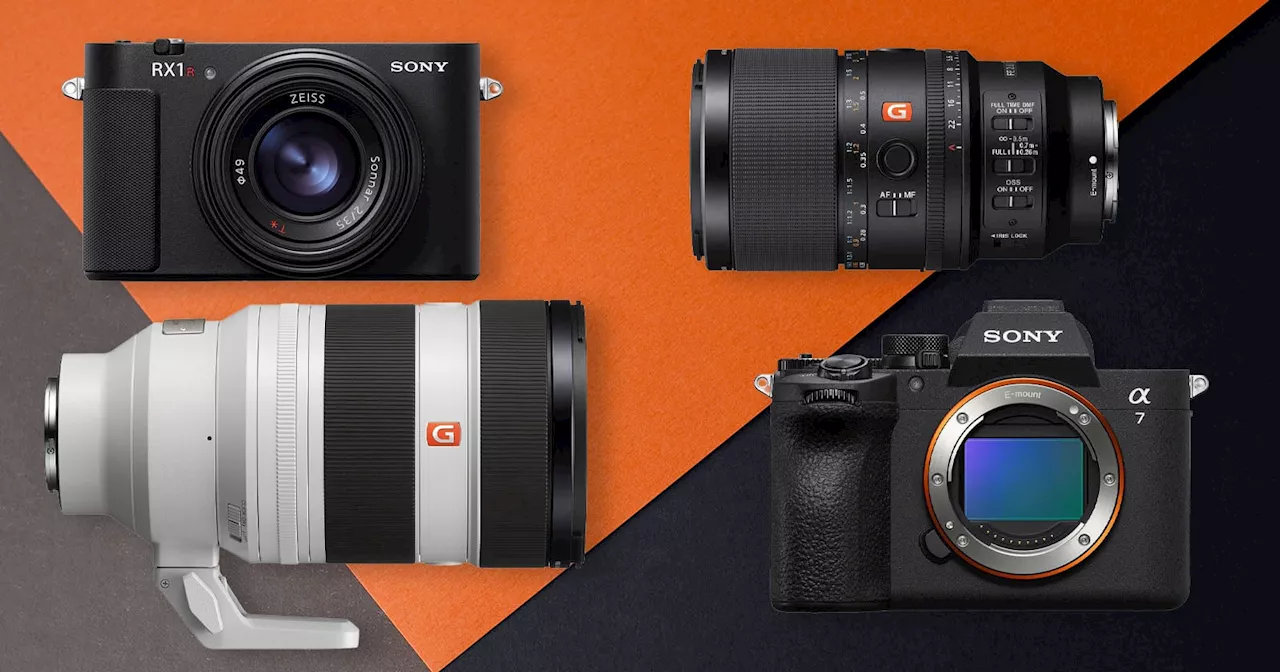
Sony has made a significant impact in the photography market in 2025 by unveiling a lineup that includes three cameras and five lenses, showcasing the company’s engineering prowess. Notably, the flagship model, the a7 V, features a **33-megapixel sensor**, while the company’s new lenses, such as the 50-150mm f/2 GM and 100mm f/2.8 Macro GM, promise to elevate the photographic experience for users. This new lineup positions Sony to effectively compete in an increasingly crowded market.
The FX2, the first camera released by Sony this year, is primarily designed for video creators. Despite its appealing design and robust autofocus capabilities, it has received mixed reviews due to its image sensor, which is borrowed from the older a7 IV. Critics argue that this sensor does not meet the high standards expected from a camera in its class. According to Chris Niccolls, a prominent reviewer, the FX2 “ultimately falls short,” especially with the impressive advancements found in its competitors.
In contrast, the a7 V has garnered attention for its improved performance compared to its predecessor. While it does not offer features like open gate recording or internal RAW capabilities that some users seek, it is regarded as a significant upgrade. The camera’s ability to produce high-quality images makes it a strong contender in the mid-range market. Niccolls notes that the a7 V is “refreshing” in its focus on delivering a photo-centric experience, even though it still performs well in video.
Another highlight of Sony’s 2025 offerings is the RX1R III, which has been long anticipated by enthusiasts. This compact camera maintains a classic design and features a 61-megapixel sensor. Despite having roots dating back to earlier models, the RX1R III continues to deliver exceptional image quality, although its high price of **$5,100** raises concerns about its accessibility to average consumers.
While cameras are often the focal point for many enthusiasts, Sony’s lens releases this year have also made waves in the industry. The 16mm f/1.8 lens, although not part of the G Master line, is celebrated for its versatility and compact design, making it ideal for travel and vlogging. Conversely, the FE 400-800mm f/6.3-8 G OSS telephoto zoom lens is a heavier option, designed for professionals seeking extended reach in wildlife photography. Despite its weight, it offers improved autofocus capabilities over its predecessor, enhancing performance for serious photographers.
The standout among the new lenses is the 50-150mm f/2 GM, which has set a new benchmark in optical performance. This lens offers exceptional clarity, rapid autofocus, and a professional build, making it a significant addition to Sony’s lineup. Niccolls praises the lens, stating it delivers a “novel photographic experience” that is rare in today’s market.
As 2025 progresses, Sony faces intensified competition from established rivals like Canon and Nikon, which have successfully closed the gap in mirrorless camera technology. While Sony has demonstrated impressive innovation this year, the company must continue to adapt to maintain its leading position. With the recent advancements showcased in the a7 V and its new lens offerings, Sony appears well-prepared to face the challenges of the evolving photography landscape.
The developments in 2025 highlight Sony’s commitment to excellence in imaging and optics, but the company must remain vigilant. Photographers can expect to benefit from the ongoing advancements as the competition heats up, ensuring that innovation remains at the forefront of the industry. As we look ahead, the excitement surrounding Sony’s latest offerings is palpable, promising a dynamic year for both professionals and enthusiasts alike.