Sanofi has announced its acquisition of Dynavax Technologies in a deal valued at $2.2 billion. This strategic move is designed to expand Sanofi’s vaccine portfolio and improve its competitive position against rival vaccine manufacturer GSK. The acquisition, revealed on Wednesday, stipulates that Sanofi will pay $15.50 in cash for each share of Dynavax, marking a 39% premium over the stock’s closing price on Tuesday.
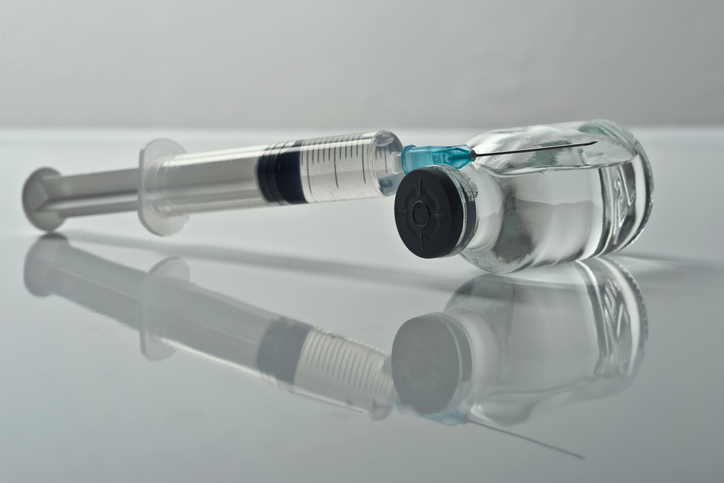
Dynavax, based in Emeryville, California, has been publicly traded since 2004, initially pricing its shares at $7.50 each. The company’s primary product is Heplisav B, a hepatitis B vaccine approved for adults in both the U.S. and Europe. Unlike GSK’s hepatitis B offerings, which require a three-shot regimen over six months, Heplisav B is administered as two intramuscular injections spaced one month apart. Dynavax asserts that its vaccine allows patients to achieve high levels of protective antibodies more quickly while maintaining a comparable safety profile.
In terms of financial performance, Dynavax reported $268.4 million in sales for Heplisav B in 2024, reflecting a 26% increase from the previous year. The company indicated that this product has helped increase its market share in hepatitis B vaccines to 46%, up from 44% the year prior. Sanofi’s current offerings in hepatitis B vaccines cater primarily to children, as seen with Vaxelis, which was developed in partnership with Merck. This vaccine received FDA approval in 2023 for use in children aged six weeks to four years.
Strategic Pipeline Expansion
Dynavax is also developing a shingles vaccine candidate, Z-1018. Preliminary data from an early-stage study, reported in August, demonstrated promising results when compared to Shingrix, GSK’s leading shingles vaccine. Participants in the study experienced fewer local and systemic reactions following Z-1018 administration, and robust immune responses were noted across all tested doses. The next set of preliminary results is expected in the second half of 2026.
Thomas Triomphe, Sanofi’s Executive Vice President of Vaccines, stated that the acquisition enhances the company’s adult immunization capabilities. He emphasized that Dynavax’s marketed hepatitis B vaccine and shingles candidate offer new options that align with Sanofi’s commitment to lifelong vaccine protection.
The announcement of this acquisition comes amid increased regulatory scrutiny of hepatitis B vaccines. In December, the Advisory Committee on Immunization Practices (ACIP), which advises the Centers for Disease Control and Prevention, recommended a shared decision-making approach for hepatitis B vaccination in children. This recommendation represents a shift from the longstanding guideline advocating for vaccinations to begin at birth.
According to Matt Phipps, an analyst from William Blair, this acquisition is a logical step for both companies. He noted that Sanofi’s extensive vaccine capabilities complemented Dynavax’s need for strategic growth amid regulatory concerns and investor inquiries regarding management’s value creation strategy.
Beyond the shingles vaccine, Dynavax’s pipeline includes a plague vaccine developed in collaboration with the U.S. Department of Defense, alongside clinical-stage programs for pandemic influenza and Lyme disease. In November, Dynavax also secured global rights to Vaxart’s oral Covid-19 vaccine candidate, which is currently undergoing mid-stage testing. The agreement involved an upfront payment of $25 million and a $5 million equity investment in Vaxart.
This acquisition marks Sanofi’s second significant move in the vaccine sector this year. In July, the company committed to paying $1.15 billion to acquire Vicebio, a startup focused on a bivalent vaccine in early-stage development for respiratory syncytial virus (RSV) and human metapneumovirus (hMPV). Sanofi plans to finance the Dynavax acquisition using its available cash resources. The deal has been approved by Dynavax’s board of directors but still requires a majority of shareholders to tender their shares. The transaction is anticipated to close in the first quarter of 2026.