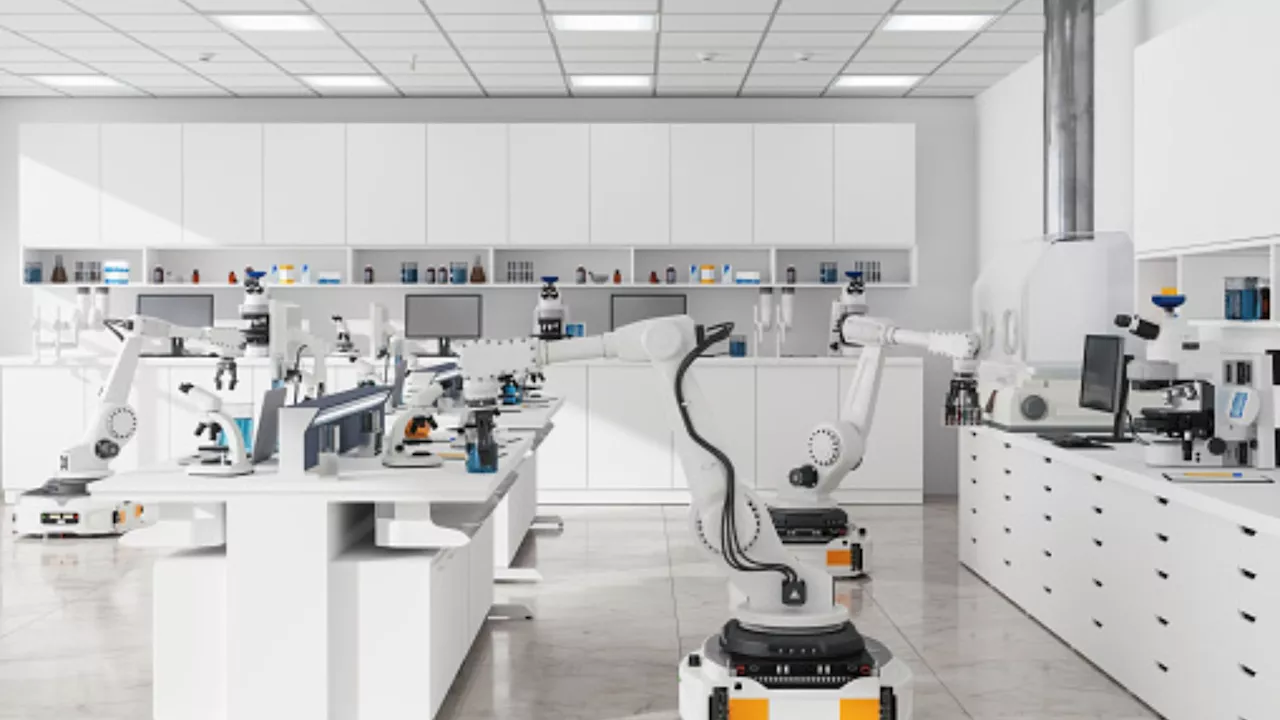
Researchers at the University of York have harnessed robotic technology to expedite antibiotic discovery, generating over 700 metal compounds in just one week. This innovative approach has led to the identification of a promising new antibiotic candidate that could effectively combat drug-resistant bacteria, a growing global health concern.
The study, published in Nature Communications, highlights the urgent need for new antibiotics as antimicrobial resistance continues to escalate, claiming more than one million lives annually worldwide. With traditional antibiotics losing effectiveness, even commonplace medical procedures such as hip replacements and chemotherapy are at risk, making the search for new drugs critical.
Led by Dr. Angelo Frei, the research team took an unconventional route by exploring metal-based compounds, a field often overlooked due to concerns regarding toxicity and complexity. Using an automated synthesis platform, the team compressed months of laborious laboratory work into a single week, demonstrating the potential for automation to transform drug discovery.
Revolutionizing Drug Discovery with Robotics
At the core of this breakthrough is a robotic system that integrates “click” chemistry, an efficient method for assembling molecular building blocks. Postdoctoral researcher Dr. David Husbands utilized this platform to combine nearly 200 ligands with five different metals, resulting in the rapid creation of unique metal complexes.
The speed of this process is significant. Traditional antibiotic discovery methods are often slow and costly, deterring pharmaceutical companies from investing in new antibiotics. The researchers assert that automation can vastly broaden the chemical landscape explored while significantly reducing both time and labor costs.
Following the synthesis of the 700 compounds, the team screened them for antibacterial effectiveness, aiming to identify candidates that would selectively kill bacteria while preserving healthy human cells. Six compounds showed potential, with one iridium-based complex emerging as particularly noteworthy. This compound demonstrated robust antibacterial activity, including efficacy against strains similar to MRSA, while remaining non-toxic to human cells.
The results indicate a high therapeutic index, making this iridium compound a strong candidate for further development.
Breaking Preconceptions About Metal Compounds
Metal complexes offer distinct advantages over conventional antibiotics, which are primarily carbon-based molecules. Unlike these flat structures, metal compounds are three-dimensional, allowing for novel interactions with bacteria that may evade existing resistance mechanisms.
Dr. Frei emphasized the pressing nature of this research, stating, “The pipeline for new antibiotics has been running dry for decades. We have to think differently.” He further noted the real breakthrough lies not only in the discovery of the iridium compound but also in the unprecedented speed at which it was identified.
The research also challenges long-held assumptions about the safety and efficacy of metal-based drugs. According to data from the Community for Open Antimicrobial Drug Discovery, metal complexes can exhibit a higher success rate for antibacterial activity without the associated toxicity compared to standard organic molecules.
The implications of this robotic synthesis platform extend beyond antibiotics. The researchers suggest it could be adapted for discovering new catalysts for various industrial processes, potentially opening new avenues in fields beyond biomedical science.
The team is currently focused on understanding how the iridium compound targets bacteria and plans to expand their robotic system to investigate other metals and applications. This innovative approach marks a significant step forward in the ongoing battle against antibiotic resistance, with the potential to reshape the landscape of drug discovery for years to come.