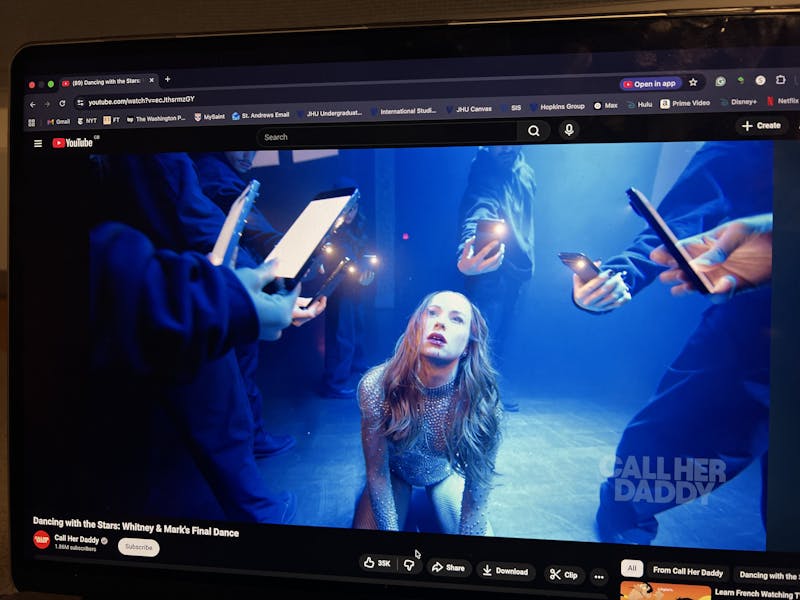
The latest season of Dancing With the Stars concluded with Robert Irwin and his professional partner, Witney Carson, claiming the prestigious Mirrorball trophy. This year’s competition has stirred significant conversation, particularly around the impact of social media on public perception and voting behaviors.
Every season, the excitement builds as viewers anticipate the performances and results. For many, including fans like those following Whitney Leavitt from The Secret Lives of Mormon Wives, the voting process has become a focal point of interest. Unfortunately for Leavitt, her journey ended in the semi-finals, largely attributed to insufficient public support. Despite her talent, a surge of social media sentiment worked against her, revealing how digital platforms can shape narratives in real time.
Social Media Dynamics and Public Voting
Leavitt’s elimination sparked discussions about the power of social media in reality television. Viewers noted a collective decision on platforms like TikTok and Instagram, where many chose to vote for other contestants. This phenomenon, often described in psychological terms as groupthink, highlights the dangers of online influence. The trend of pitting contestants against one another can mirror broader societal behaviors, particularly in political contexts.
As a student of Political Science, I found myself reflecting on the implications of this behavior. The recent U.S. government shutdown, the longest in history, serves as a pertinent example. During this period, social media commentary often fell into binary thinking, attributing blame to either Congressional Republicans or Democrats without acknowledging the complexities of institutional dynamics.
Political analysts frequently emphasize that gridlock results from a myriad of factors, including media polarization and entrenched party interests. Yet, social media thrives on simplified narratives that favor outrage over nuance. Posts labeling one side as “evil” or declaring that “this side ruined everything” tend to gain traction, overshadowing the need for a more balanced discourse.
The Role of Algorithms in Shaping Perspectives
Algorithms play a crucial role in this dynamic, curating content that aligns with users’ established beliefs. This leads to a cycle where individuals only engage with perspectives that confirm their views, often distorting their understanding of complex issues. The transition from voting against a contestant on a reality show based on social media sentiment to blaming a single political party for systemic dysfunction illustrates this tendency.
This pattern encourages a culture of scapegoating, where the public seeks a straightforward villain to blame. Politicians, aware of this tendency, often capitalize on it, presenting simplified narratives to secure electoral support. Outrage, rather than informed debate, becomes the currency of engagement, overshadowing the necessary complexity that characterizes both politics and personal affairs.
The true challenge lies in navigating the intricacies of human interaction, whether on the dance floor or in the political arena. The need for understanding and cooperation is paramount. As we reflect on the recent season of Dancing With the Stars, it becomes clear that the obstacles we face extend beyond entertainment.
For a healthier political culture, we must strive to recognize the shades of gray in all conflicts. Engaging with complexity, rather than retreating to binary thinking, is crucial. The solution to these challenges does not lie in a simple text vote or a social media post but in a commitment to deeper understanding and meaningful dialogue. In this evolving landscape, the real victory may not belong to any contestant or political party, but rather to those willing to embrace the messiness of reality.