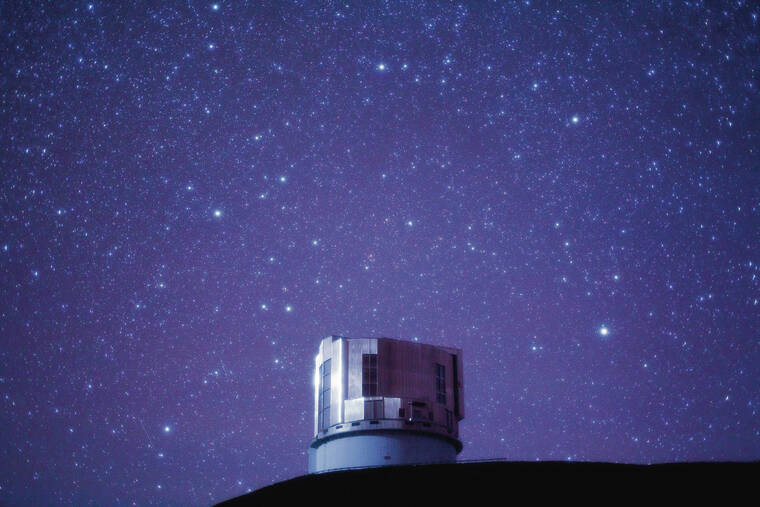
In a remarkable discovery, astronomers at Mauna Kea have identified a new exoplanet, designated as HIP 54515 b. This finding has sparked excitement in the scientific community and among cultural advocates, who are now calling for a meaningful name that reflects the rich heritage of Polynesian voyaging and star navigation.
Proposing a Cultural Connection
The discovery of HIP 54515 b comes at a time when many celebrate the season of hope and renewal. Local resident Diane Peters-Nguyen from Kailua has proposed that the planet be given an olelo Hawaii name, which would honor the historical significance of Polynesian navigators who used the stars to guide their journeys across the Pacific Ocean.
In her letter to the Honolulu Star-Advertiser, Peters-Nguyen suggests that the planet’s “brown dwarf companions” could symbolize the menehune, mythical creatures in Hawaiian folklore known for their playful spirit. She envisions these celestial bodies as embodying the lively essence of the menehune, engaging in their own form of cosmic fun.
A Call for Inspiration
This initiative has resonated with many in the community, who see it as an opportunity to connect modern astronomical discoveries with traditional cultural narratives. The naming of celestial bodies often reflects human culture, history, and values, making Peters-Nguyen’s proposal particularly poignant.
The Mauna Kea observatories, renowned for their contributions to astronomy, have historically engaged with cultural perspectives surrounding their discoveries. By seeking a name that integrates Hawaiian language and mythology, the astronomers can pay homage to the practices of ancient navigators and their understanding of the cosmos.
As the discussion around the naming of HIP 54515 b gains traction, members of the public are encouraged to express their views and suggestions. The Honolulu Star-Advertiser welcomes contributions, allowing individuals to submit letters of up to 150 words and guest columns of 500-600 words, fostering a dialogue that blends scientific achievement with cultural identity.
This intersection of science and culture exemplifies the ongoing effort to respect and celebrate indigenous knowledge systems while advancing our understanding of the universe. The outcome of this naming initiative could inspire future generations to appreciate both the wonders of space and the narratives that connect us to our past.