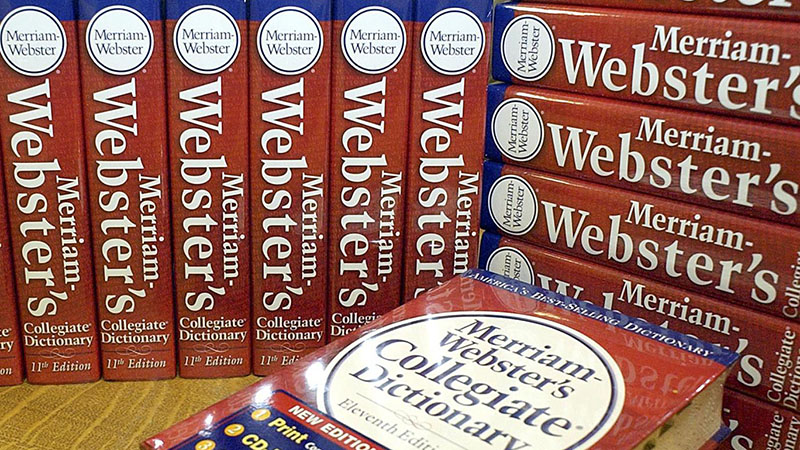
UPDATE: Just announced, Merriam-Webster has named ‘slop’ as the official Word of the Year for 2025. This designation reflects the growing prevalence of “creepy, zany, and demonstrably fake content” circulating across the internet, largely fueled by advancements in generative artificial intelligence.
The term ‘slop’ has surged in usage as online platforms grapple with the explosion of content that lacks authenticity and reliability. As concerns over misinformation and digital credibility escalate, the recognition of this word highlights a significant cultural shift in how we perceive online communication.
Merriam-Webster’s decision underscores not only the evolving landscape of language but also the urgent need for digital literacy in our increasingly connected world. With the internet flooded with AI-generated material, understanding terms like ‘slop’ is more important than ever for individuals navigating these complex digital waters.
The rise of ‘slop’ marks a pivotal moment in linguistic trends, reflecting societal anxieties about the quality and integrity of information. As users encounter more AI-generated articles, videos, and images, the implications of this word resonate deeply, urging a conversation about authenticity in digital spaces.
Experts from Merriam-Webster state that the term’s rapid adoption is a direct response to a disheartening reality: the saturation of the internet with low-quality, misleading content. This acknowledgment comes at a time when content creators, educators, and consumers alike are called to action to discern fact from fiction.
As we move further into 2025, the impact of ‘slop’ will likely extend beyond mere vocabulary. It serves as a rallying cry for users to demand higher standards in content creation and consumption. The designation of this word may inspire educational initiatives aimed at fostering critical thinking and media literacy among internet users of all ages.
What’s Next: Watch for ongoing discussions around ‘slop’ in various forums, including social media, educational platforms, and public discourse. The implications of this term are expected to influence conversations about digital ethics and the responsibilities of content creators.
In an era where words shape our understanding and interactions, the recognition of ‘slop’ serves as a stark reminder: the language we use reflects the reality we live in, urging us to navigate the digital realm with caution and discernment.