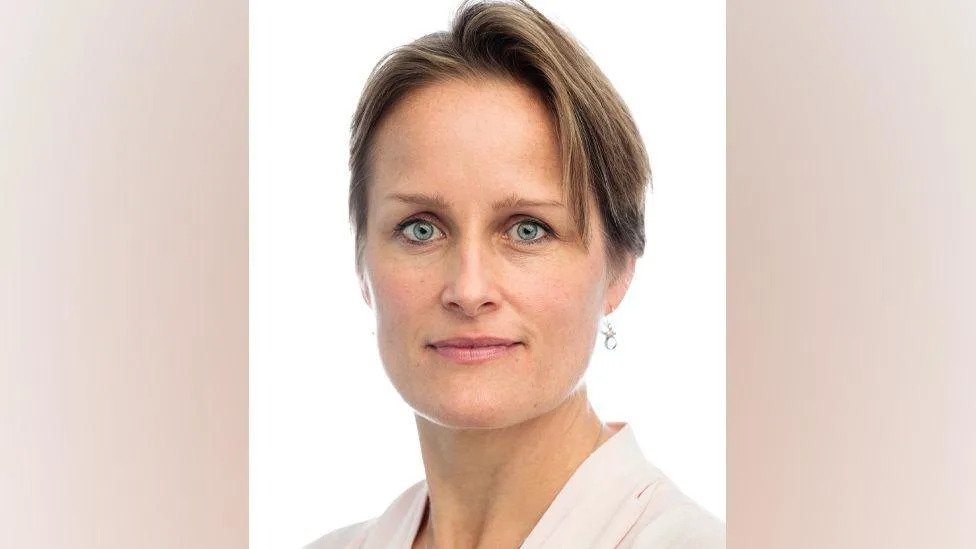
The new head of MI6, Blaise Metreweli, will address the urgent threats posed by Russia in her inaugural public speech later today. She is expected to emphasize the dangers of hybrid warfare, which encompasses cyber attacks and drone activities linked to Russian proxies targeting critical infrastructure. Metreweli will describe Russia as “an aggressive, expansionist and revisionist” force, underscoring the need for vigilance in the face of ongoing geopolitical tensions, particularly regarding the war in Ukraine.
In her remarks, Metreweli will affirm Britain’s commitment to maintaining pressure on President Vladimir Putin in support of Ukraine. Since assuming her role on October 1, 2023, Metreweli has made history as the first woman to lead the Secret Intelligence Service, succeeding Sir Richard Moore.
The speech will also highlight recent sanctions imposed on Russian entities accused of conducting information warfare, as well as action taken against two China-based firms for their “indiscriminate cyber activities” targeting the UK and its allies. While Western sanctions have impacted Russia’s economy, redirecting its exports towards China and India, they have not deterred Putin’s resolve to continue his military campaign in Ukraine.
In addition to geopolitical threats, Metreweli will stress the importance of technology within MI6. Having joined the agency in 1999 and progressed through Q Branch, the unit responsible for developing covert communication technologies, she aims to equip intelligence officers with advanced skills in both technology and traditional espionage.
Metreweli is expected to urge her team to become proficient in programming languages such as Python, illustrating the evolving landscape where data and technological expertise are paramount. The era of espionage now demands agility in navigating both human intelligence and digital environments, as biometric scanning increasingly complicates undercover operations.
Meanwhile, Sir Richard Knighton, the Chief of the Defence Staff, will call for a “whole of society approach” to strengthening national resilience against emerging threats. In his address at the Royal United Services Institute in London, he will stress the necessity for a collective commitment to defence and resilience, acknowledging that the current global situation poses greater dangers than he has encountered throughout his career.
Knighton will assert that Russia’s intentions to challenge and divide NATO necessitate a response that extends beyond military enhancement. He will advocate for leveraging the UK’s collective capabilities—ranging from academia to industry—asserting that national security relies on the engagement of all sectors of society.
He will also tackle a skills gap identified by the Royal Academy of Engineering, announcing a £50 million investment in new defence technical excellence colleges aimed at fostering collaboration with industry and youth.
As discussions around national service resurface, driven by proposals from both France and Germany, the UK is entering a critical phase in its approach to global security. The debate on how best to prepare for an increasingly unpredictable world is intensifying, with the ramifications of Russia’s actions resonating throughout the international community.