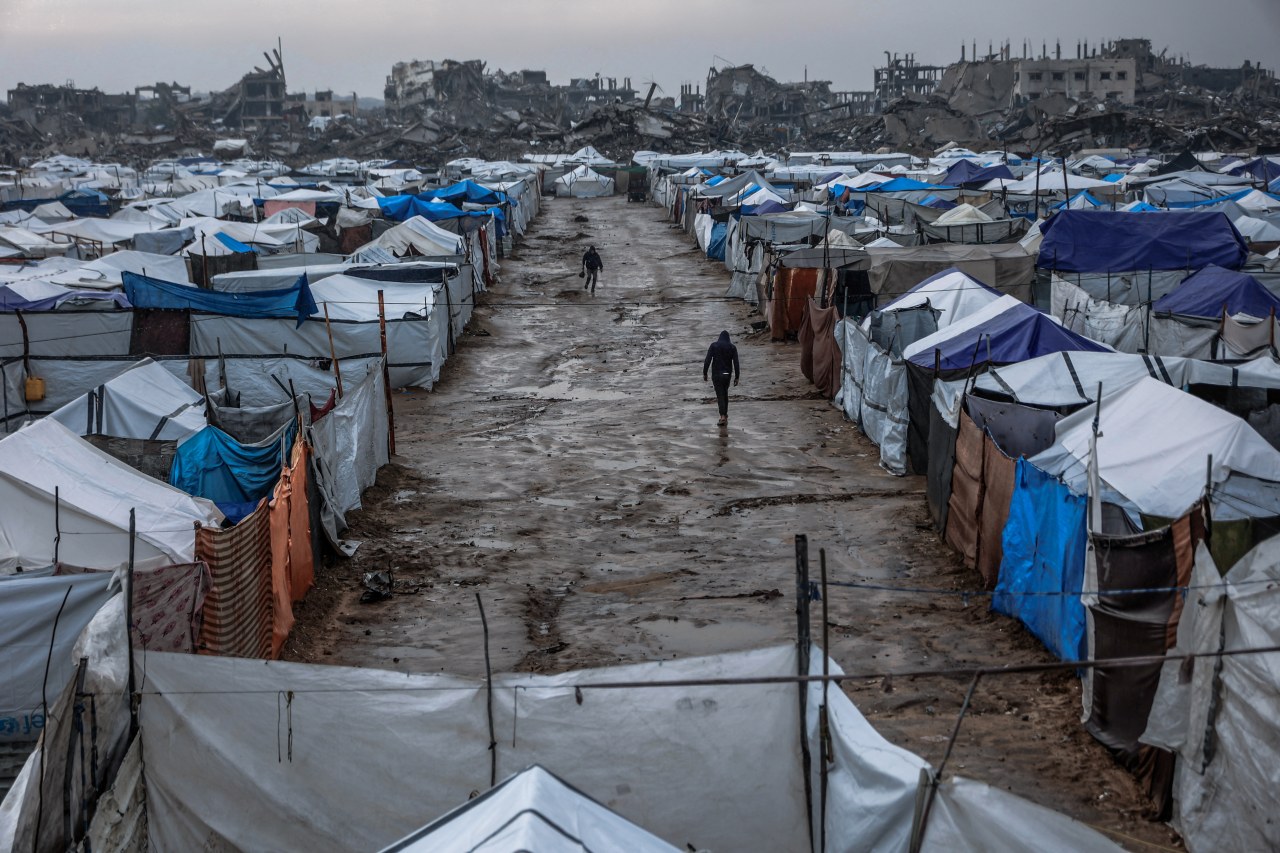
Heavy rainfall has compounded the already dire living conditions for over 1.1 million residents in the Gaza Strip. Many are struggling to cope with flooding and overflowing sewage systems, leaving families trapped in deteriorating shelters. The impact of the recent weather has exacerbated the humanitarian crisis in a region already grappling with inadequate infrastructure and resources.
The United Nations (UN) and various humanitarian organizations have raised alarms regarding the situation. According to the World Health Organization (WHO), the rising floodwaters pose significant health risks, including the spread of waterborne diseases. Access to clean water has become increasingly limited, making it difficult for residents to maintain basic hygiene.
As of early March 2024, ongoing rainfall has caused significant damage to homes and public facilities. Streets are submerged, and many residents are forced to navigate through stagnant water mixed with untreated sewage. Living conditions have deteriorated to the point where families are left to contend with not only their damaged homes but also the threat of illness from contaminated water sources.
Local agencies, including the Palestinian Red Crescent Society, are working tirelessly to provide emergency assistance. However, their efforts face severe constraints due to the limited availability of resources and the continued blockade affecting the region. Aid workers report urgent needs for basic supplies, including food, clean water, and sanitation materials.
The challenges in Gaza have drawn attention from international observers. Humanitarian groups are calling for a coordinated response to address both the immediate needs of the population and the long-term infrastructure challenges. The situation is viewed as a critical test for international commitment to support the region amid ongoing conflicts and humanitarian crises.
Residents are voicing their frustrations as they navigate daily life under these conditions. Many report that the floods have left their homes uninhabitable, while the stench of sewage permeates the air, creating an unbearable living environment. The psychological toll of such devastation is evident, with families expressing a sense of hopelessness as they watch their homes and communities deteriorate.
As the situation evolves, the need for immediate action becomes increasingly urgent. Observers are calling for international intervention to facilitate aid delivery and improve living conditions for those affected. Without significant support, the health and safety of the population remain at serious risk, highlighting the pressing need for a comprehensive strategy to address both the humanitarian and infrastructural needs of Gaza.
In the face of these challenges, the resilience of Gazans continues to shine through. Many community members are banding together, finding ways to help one another, despite the overwhelming circumstances. Their determination underscores a critical message: even amid ruins, hope and solidarity can prevail.