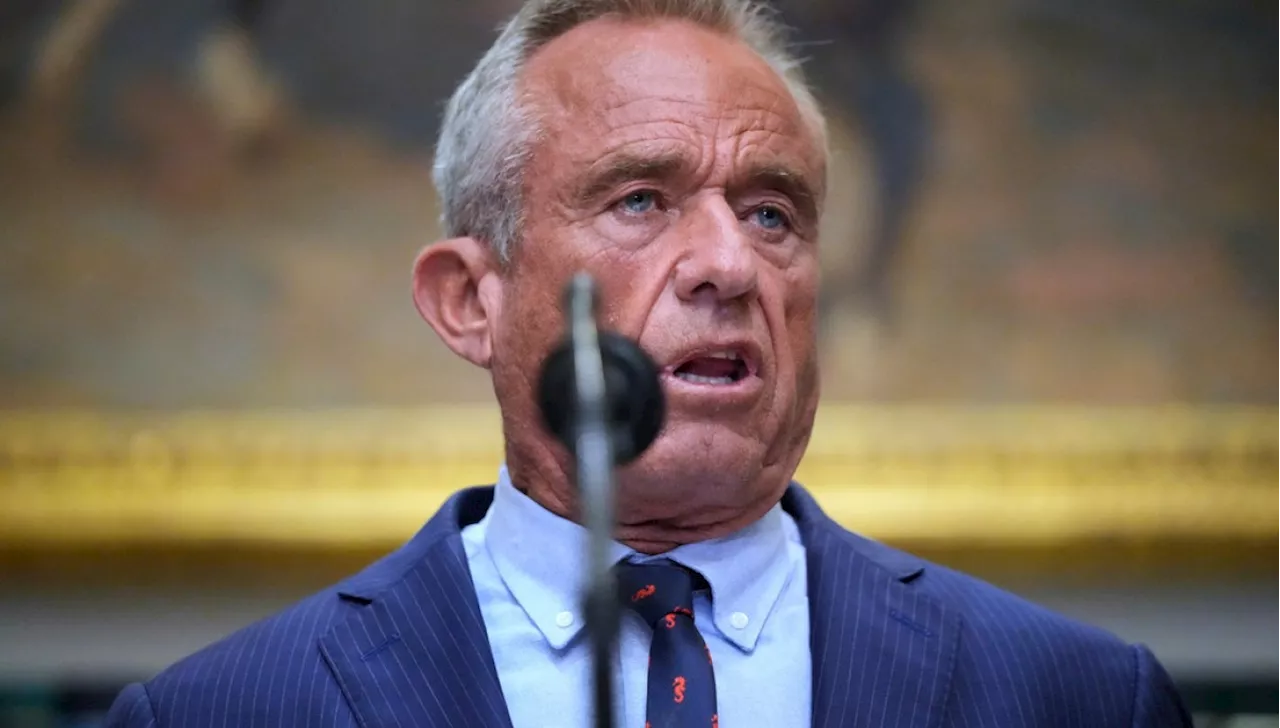
UPDATE: The U.S. Department of Health and Human Services (HHS) has just announced controversial new regulations targeting pharmaceutical advertising, raising alarms over potential impacts on patient access to vital information. Critics argue that these sweeping reforms could hinder legitimate advertising and restrict patient knowledge about critical treatment options.
The proposed regulations would impose rigorous disclosure requirements on drug advertisements, effectively creating a scenario where compliance becomes nearly impossible. This move has sparked intense debate among healthcare advocates and industry leaders, who warn that it could lead to a de facto ban on direct-to-consumer (DTC) ads. “If these rules are enacted, it will stifle essential communication about life-saving medications,” stated a leading healthcare advocate.
Currently, HHS is responding to concerns that pharmaceutical companies exploit loopholes in the law to promote their products. However, the proposed reforms may do more harm than good, critics argue. By mandating excessive disclaimers and warnings within 30-second ads, the regulations could dilute vital messaging and mislead consumers about available treatments.
The First Amendment implications are significant. Legal experts emphasize that the government cannot prohibit truthful speech simply because it may affect consumer behavior. In past rulings, courts have consistently upheld the right of companies to advertise lawful products, arguing that consumers deserve access to comprehensive information. The Supreme Court has reiterated that “the government may not seek to remove a perceived harm by silencing truthful speech.”
HHS’s proposed changes echo similar attempts from the past. In 1995, a court struck down FDA regulations that effectively banned pharmacy ads, highlighting the importance of allowing consumers to make informed health decisions. The balance between safety and free speech must be maintained, as restricting information often leads to worse outcomes for patients.
Experts warn that limiting DTC ads may lead to reduced patient engagement and delayed diagnoses. Historically, these advertisements have prompted millions of individuals to seek medical care for conditions they might otherwise ignore, resulting in earlier interventions and improved health outcomes.
As the debate intensifies, HHS faces pressure to reconsider these proposed regulations. Advocacy groups argue for transparency and the public’s right to know, cautioning that censorship cannot replace the need for accurate health information. “The solution to misinformation is more information, not silence,” emphasized a prominent health policy analyst.
The public and stakeholders are urged to stay informed as this story develops. The potential fallout from these proposed regulations could reshape the landscape of pharmaceutical advertising and patient access to critical health information.
As HHS prepares to finalize these regulations, the implications for patients and the healthcare industry at large remain critical. What happens next could significantly alter the way pharmaceuticals communicate with consumers. Stay tuned for updates as this situation unfolds.