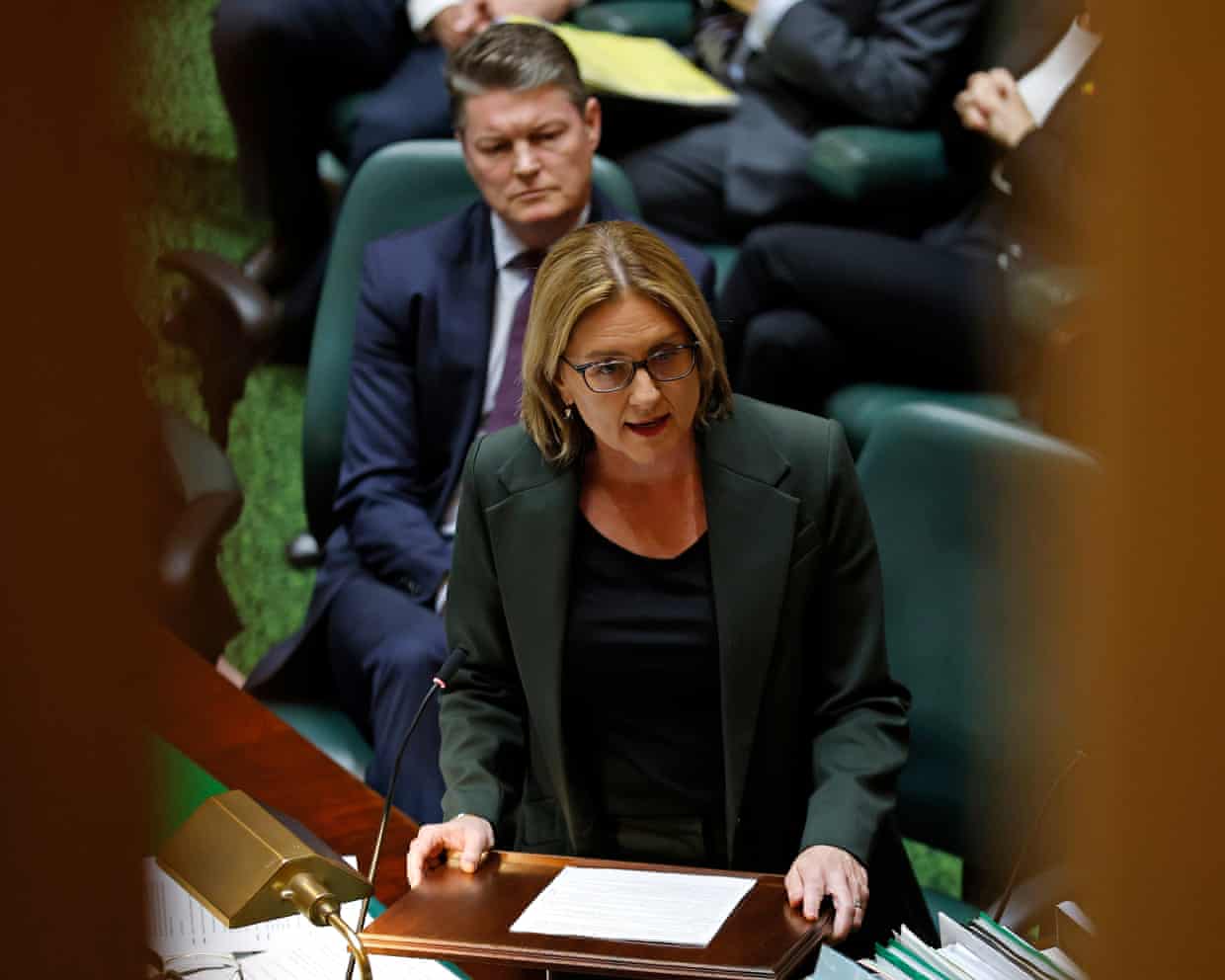
The Victorian government has formally apologized to Australia’s First Peoples for the injustices committed during colonization. In a statement delivered before the parliament on October 3, 2023, Premier Jacinta Allan described the colonization of Victoria as “rapid and violent,” resulting in the systematic stripping of Aboriginal people’s lands, cultures, and identities.
Allan emphasized that this apology acknowledges the “actions and inactions of the state” which have long denied Indigenous peoples their rights. “We acknowledge the harm inflicted on generations of First Peoples,” she stated, marking the beginning of a new era focused on truth, justice, and a shared future.
The apology is part of a broader treaty negotiation process aimed at recognizing past wrongs and building a more equitable relationship between the state and Indigenous communities. Allan noted that many Victorians were unaware of the extent of these historical injustices until the work of the Yoorrook Justice Commission, which revealed the profound impacts of colonization.
Addressing Historical Injustice
In her speech, Allan highlighted the stark realities faced by Aboriginal people, who were forcibly removed from their lands and subjected to policies that aimed to erase their cultures. “These acts were not accidental but by design,” she said, acknowledging that the laws and policies enacted by past governments enabled such injustices.
The Premier stated, “We can no longer look away,” emphasizing that the formal apology is not merely symbolic but a commitment to ongoing action towards healing. She expressed hope that this moment would pave the way for addressing injustices and ensuring that future generations learn from this history.
The apology resonated deeply with many in attendance, including former Victorian treaty commissioner Jill Gallagher, who felt it marked a significant step towards healing for Aboriginal communities. “It means our people here in Victoria can start the healing process,” Gallagher remarked, affirming the apology’s importance not just for Indigenous peoples, but for all Victorians.
Reactions from the Community
The event was attended by over 300 First Nations individuals, with elders witnessing the apology from the public gallery. Among them was Uncle Mark Rose, a Gunditjmara elder, who remarked that this apology differed from previous ones due to its promise of action beyond words. “There’s a promise behind it, and we’re relying on that promise,” he stated.
Labor MP Sheena Watt, the first Indigenous woman in the Victorian parliament, expressed mixed emotions, stating she felt both pride and sorrow. She reflected on the ongoing struggles faced by her community and the significance of recognizing the decisions made in the past that have affected their ability to speak their ancestral languages.
While the apology was supported by the majority, it faced opposition from the Victorian Liberal Party, which criticized the reference to the treaty process. Opposition leader Jess Wilson acknowledged past injustices but maintained that the wording of the apology was problematic.
Despite the opposition, the motion passed the lower house with a vote of 56 to 27. Gallagher criticized the Coalition’s stance, suggesting it demonstrated a lack of genuine commitment to addressing Indigenous issues.
The formal apology signifies a pivotal moment in Victoria’s history, committing to a future where the voices of First Peoples are heard and respected, and where the state begins to redress historical injustices. As Premier Allan concluded, “Victoria will not look away. Not from the truth. Not from the work. Not from you.”