In the competitive landscape of PC building, enthusiasts often face the challenge of distinguishing between critical investments and unnecessary expenditures. While some components can significantly enhance performance, others may only serve as costly distractions. Understanding which components to prioritize can ultimately lead to a more efficient and cost-effective build.
Identifying Non-Essential Components
When building a PC, it is essential to recognize that not every part is worth the investment. Some components touted as essential may not provide the expected benefits. For instance, high-end graphics cards like the NVIDIA GeForce RTX 4090 can cost upwards of $1,600. While they deliver exceptional performance, many users may find that their gaming or software needs do not require such power. Investing in a mid-range card, such as the NVIDIA GeForce RTX 3060, priced around $350, can be a more sensible choice for most users.
Another area where enthusiasts tend to overspend is in the CPU market. Processors with excessive cores and threads, such as the AMD Ryzen 9 7950X or the Intel Core i9-13900K, can exceed $600. For the average gamer or content creator, a solid mid-tier option like the AMD Ryzen 5 5600X or Intel Core i5-12600K, both around $200, often provides ample performance without breaking the bank.
Costly Accessories and Extras
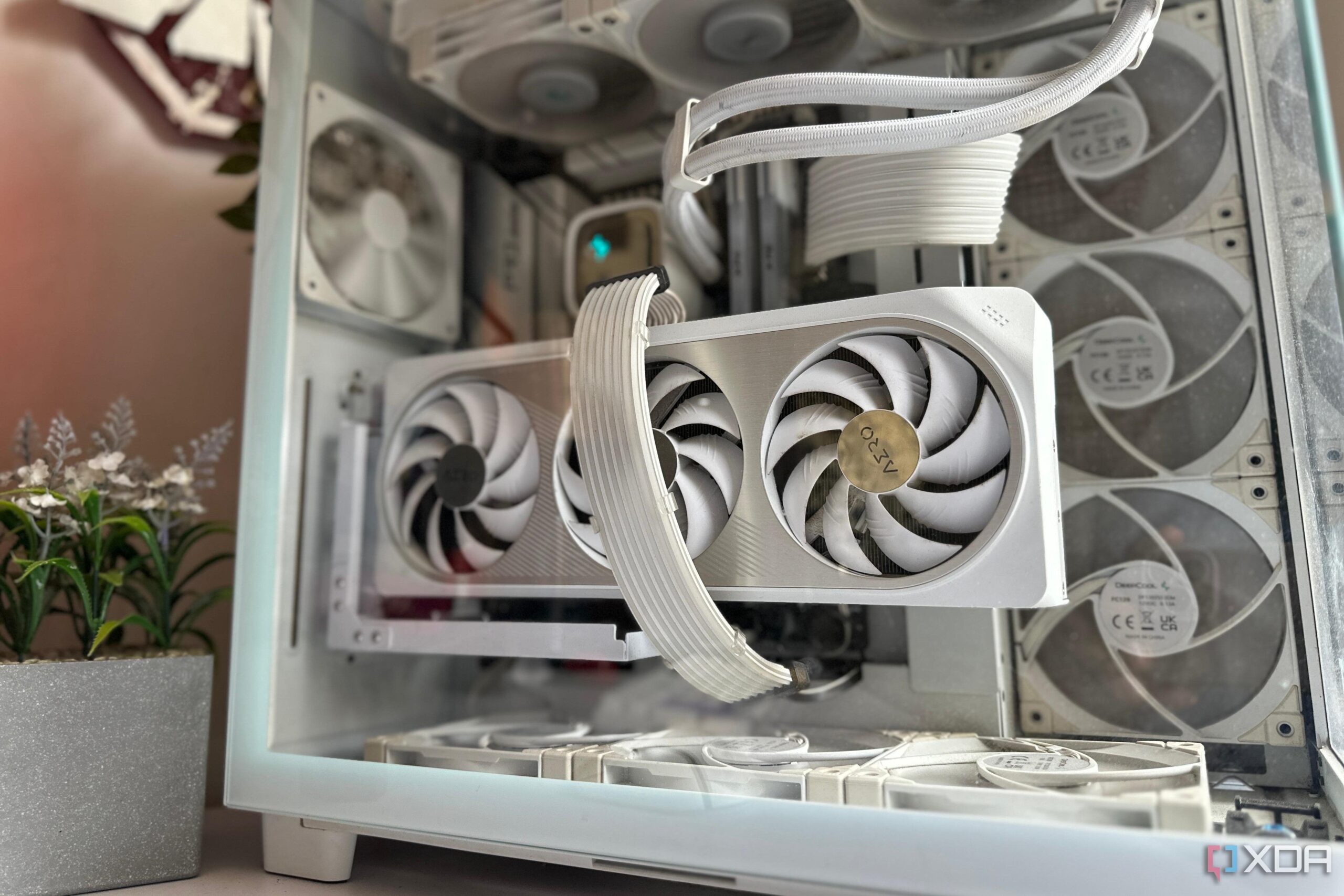
Accessories can also accumulate costs quickly. RGB lighting kits and elaborate cooling systems are popular among PC builders. While they enhance aesthetics, they may not contribute significantly to performance. Basic cooling solutions, such as stock coolers that come with CPUs, can suffice for many builds. Spending on these non-essential components can divert funds from more crucial parts, such as a quality power supply or storage solution.
Additionally, many builders overlook the importance of a reliable power supply unit (PSU). While it may be tempting to opt for a low-cost option, a quality PSU is crucial for system stability and longevity. Investing in a reputable brand with a power rating that matches the system’s needs—not just the lowest price—can prevent future headaches. A PSU priced around $80 from a reputable brand like Corsair or Seasonic is a wise investment compared to a lower-end unit that could compromise the entire system.
Making Informed Choices
Ultimately, building a PC that meets one’s needs involves balancing budget and component quality. Opting for mid-range components rather than the most expensive options often yields a more satisfying experience. It is advisable to conduct thorough research and assess the specific requirements for intended use, whether it be gaming, content creation, or casual browsing.
In conclusion, avoiding unnecessary overspending on high-end components and accessories allows builders to allocate resources wisely. By focusing on essential parts that align with personal needs, individuals can construct a PC that performs effectively without excessive costs. Taking the time to understand which components truly enhance performance is key to creating a balanced and efficient system.