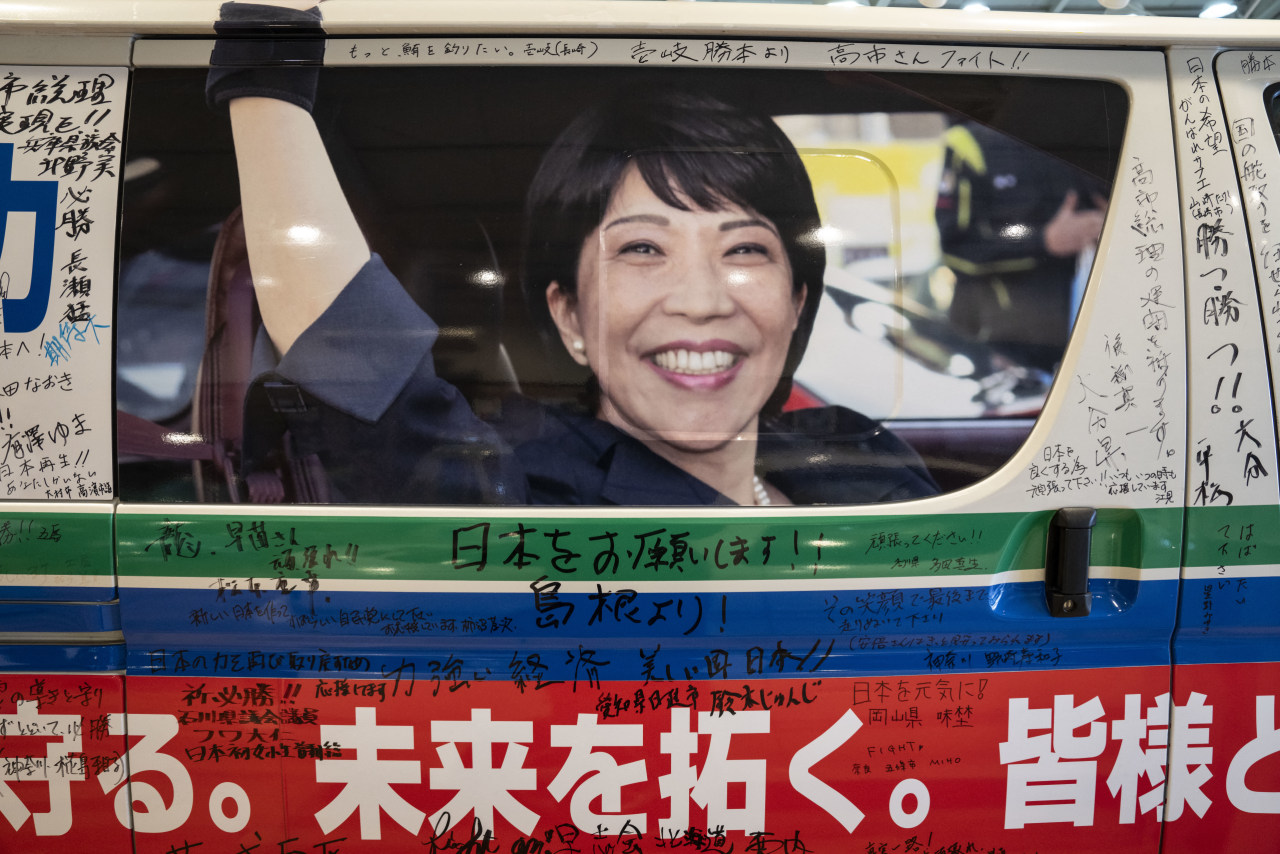
Japan’s upcoming elections are generating significant interest among young voters, particularly in the figure of Sanae Takaichi, the country’s Conservative Prime Minister. Her dynamic approach and adept use of social media are resonating with younger demographics, influencing their political engagement ahead of the crucial 2025 elections.
Takaichi, a member of the Liberal Democratic Party (LDP), has been recognized for her diligent work ethic and ability to connect with voters through online platforms. As the nation prepares for the elections, her popularity among younger constituents is becoming increasingly apparent. Engaging with this demographic is vital, as they represent a growing segment of the electorate that could sway the outcome.
In recent months, Takaichi has utilized her social media presence to address key issues that resonate with younger voters, such as job security, climate change, and digital innovation. By actively participating in online discussions and sharing her policies, she has positioned herself as a relatable and approachable leader. This tactic appears to be paying off, as polls indicate a notable increase in support for her among those aged 18 to 30.
Takaichi’s background and commitment to public service further enhance her appeal. She has held various positions within the Japanese government, including Minister of Internal Affairs and Communications. Her experience and dedication to improving the lives of citizens have solidified her reputation as a hardworking politician who prioritizes the needs of the people.
Despite the challenges posed by the ongoing economic situation, Takaichi’s focus on economic revitalization and innovative policies has struck a chord with the younger population. These voters are particularly concerned about employment opportunities and the stability of their future, making her economic initiatives a central theme of her campaign.
While Takaichi’s efforts have garnered significant attention, the political landscape in Japan remains competitive. Other candidates are also vying for the support of young voters, presenting alternative visions for the country’s future. As the election date approaches, the dynamics of this contest will likely evolve, leading to intensified campaigning from all parties.
As Takaichi continues to build momentum, her ability to engage with the youth electorate will be crucial. The outcome of the 2025 elections could hinge on the level of enthusiasm she can cultivate among younger voters. With her current trajectory, it seems she is well-positioned to make a lasting impact on Japan’s political scene.
In conclusion, Sanae Takaichi is harnessing the power of social media and her reputation for hard work to connect with young voters in Japan. As the political landscape shifts, her approach may very well shape the future of the nation’s leadership, underscoring the significance of youth engagement in the democratic process.