The successful capture of Venezuelan President Nicolas Maduro by the US military was significantly aided by space and cyber operations, according to a spokesperson from US Space Command (SPACECOM). The operation, named Operation Absolute Resolve, illustrates the critical role of space-based capabilities in modern military missions.
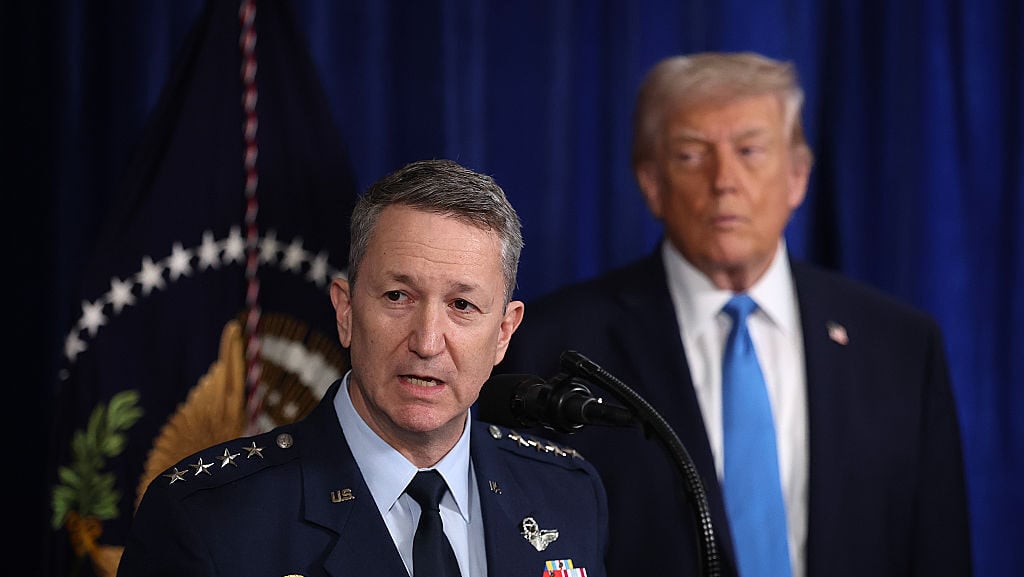
During a press briefing on January 3, 2024, General Dan Caine, Chairman of the Joint Chiefs of Staff, emphasized that spacepower is integral to military operations, stating, “Spacepower not only underpins the military’s ability to shoot, move, and communicate as designed, but delivers layered effects as overwatch.” The term “overwatch” refers to military tactics where one unit provides protection for another during an attack, which can include intelligence on enemy positions.
Space Support as a Foundational Element
While specific details regarding Operation Absolute Resolve remain classified for “operational security,” the SPACECOM spokesperson highlighted the importance of positioning, navigation, and timing (PNT) as well as satellite communications (SATCOM) in executing military activities. “To protect the Joint Force from space-enabled attack and ensure their freedom of movement, US Space Command possesses the means and willingness to employ combat-credible capabilities,” the spokesperson noted.
Caine acknowledged the contributions of SPACECOM during his press conference alongside US President Donald Trump. He described the mission’s execution, which involved helicopters carrying an extraction force that flew into Venezuela at low altitude, while SPACECOM, US Cyber Command (CYBERCOM), and other agencies collaborated to create a safe operational environment.
Former SPACECOM Deputy John Shaw remarked on the increasing coordination between SPACECOM and the Joint Force, asserting that recent operations have showcased a new level of integration. “The integration of space into joint warfighting has reached a new apogee… There is a strong correlation between the success of these recent operations and the integration of space capabilities,” he stated.
Cyber Operations and Electronic Warfare
The role of CYBERCOM in the operation was also highlighted, with Caine indicating that non-kinetic effects were employed to suppress Venezuelan defenses. Trump mentioned, “the lights of Caracas were largely turned off,” suggesting that cyber tactics may have impacted the city’s power grid. Experts speculate that CYBERCOM was able to disrupt communications and internet access, contributing to the mission’s success.
When approached for further comments, CYBERCOM referred inquiries to the Department of Defense, which declined to elaborate due to operational security concerns. Nonetheless, experts like Emily Harding from the Center for Strategic and International Studies (CSIS) emphasized that such tactics are increasingly common in modern warfare.
Anthony Vinci, a senior fellow at the Center for a New American Security, supported the notion that CYBERCOM could have used offensive cyber tactics, although he noted that ground-level actions might also have played a role. He remarked, “Bottom line, I think that infrastructure is now on the table for warfighting.”
Further analysis by CSIS indicated that the combined operations likely led to suppressed air defenses and disrupted communications in Venezuela, which significantly hampered the country’s ability to respond effectively.
As the US military continues to adapt its strategies, the integration of space and cyber capabilities is expected to remain a focal point in future operations, particularly in how they influence the dynamics of conflict on a global scale.