The tragic aftermath of the UPS Flight 2976 crash continues to unfold, with the death of Alain Rodriguez Colina on Christmas Day marking the 15th fatality linked to the incident. Colina, who worked at a scrapyard near Louisville Muhammad Ali International Airport, had been in a medically induced coma for seven weeks following the crash. His passing adds to the sorrow surrounding an event that has deeply impacted the local community.
Colina, a Cuban immigrant, was at the Grade A Auto Parts & Recycling facility when the McDonnell Douglas MD-11F crashed on November 4, 2025. The aircraft, operating as Flight 2976, was en route from Louisville to Honolulu when it suffered a catastrophic failure. The number one engine detached from the wing, leading to a fire and the subsequent loss of control. In the chaos that ensued, Colina managed to escape the wreckage, but not without sustaining severe burns that covered more than 50% of his body.
The crash claimed the lives of all three pilots on board, alongside 12 individuals on the ground, including Colina’s coworker, who did not survive. Initially, doctors provided a slim chance for Colina’s recovery, but he showed signs of improvement until his condition deteriorated on December 25, leading to his untimely death.
The Crash of UPS Flight 2976
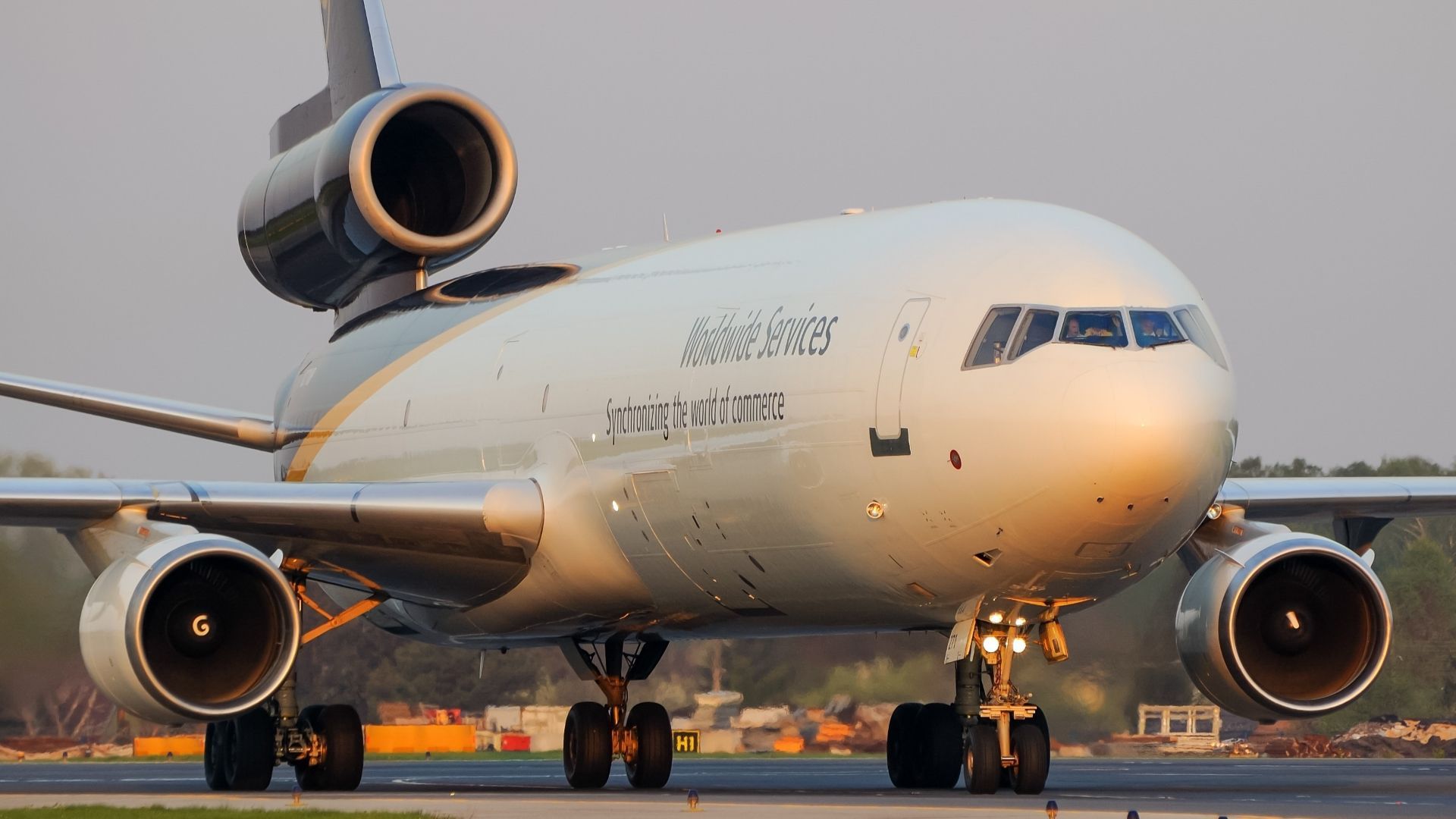
UPS Flight 2976 was a scheduled cargo flight operated by a 34-year-old McDonnell Douglas MD-11F, tail number N259UP. The aircraft had a history dating back to its delivery to Thai Airways in 1991 before being converted to freighter service in 2006. On the fateful day of the crash, the flight took off from Louisville’s Runway 17R at approximately 17:13 local time. Shortly after takeoff, the engine failure occurred, resulting in a fire that spread rapidly.
Eyewitness accounts described a horrifying scene as the aircraft began to bank sharply to the left, ultimately crashing into the scrapyard and a nearby semi-truck parking lot. The left main landing gear struck a UPS Supply Chain warehouse, while the left wing impacted fuel tanks, igniting a massive fire that consumed the area. The incident drew comparisons to the infamous crash of American Airlines Flight 191 in 1979, which remains the deadliest aviation disaster in U.S. history.
Investigations and Implications
The National Transportation Safety Board (NTSB) has launched an investigation into the crash, examining the sequence of events leading to the loss of the number one engine. Preliminary findings suggest a potential failure in the aircraft’s structural integrity, which may have contributed to the incident. The investigation is ongoing, and the final report will provide crucial insights into the factors that led to this tragedy.
The implications of this crash extend beyond immediate fatalities; it raises significant questions about aviation safety and maintenance protocols for aging aircraft. The parallels drawn to past incidents highlight the need for stringent oversight in the aviation industry, particularly regarding older models like the MD-11F.
As the community mourns the loss of Alain Rodriguez Colina and others affected by the crash, the focus remains on ensuring such tragedies do not occur again. The ongoing investigation will undoubtedly shed light on the necessary measures to enhance safety in air travel, reinforcing the commitment to protecting lives in the skies.