The Trump administration has announced that all beneficiaries of the Supplemental Nutrition Assistance Program (SNAP) will be required to reapply for benefits, impacting approximately 42 million U.S. households. This decision follows the recent federal government shutdown that halted the program for 43 days, leaving many without access to essential food resources. Agriculture Secretary Brooke Rollins emphasized that this move aims to reduce instances of fraud, although critics point out that the Congressional Research Service (CRS) has indicated that intentional fraud within SNAP is “rare.”
The reopening of the program comes with new requirements that have left many beneficiaries uncertain about their future support. Rollins stated in an interview with Newsmax that the government intends to “make everyone reapply for their benefits,” highlighting the vulnerability of those who rely on food assistance. This announcement has raised questions among nearly 42 million Americans regarding their eligibility and the implications of the new application process.
Understanding SNAP Fraud Concerns
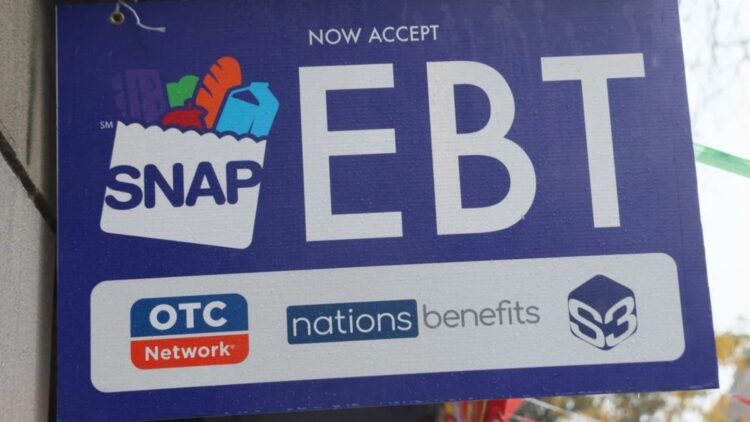
According to the USDA Food and Nutrition Service, fraud in SNAP can occur under specific conditions, such as when recipients misrepresent their eligibility, retailers exchange benefits for cash, or criminals steal Electronic Benefit Transfer (EBT) cards. Currently, beneficiaries are already required to update personal information related to their work history and income every six months. The USDA has not formally endorsed Rollins’ announcement, instead referring to “standard recertification processes for households” as part of its efforts to ensure program integrity.
Rollins’ plans include a request for states to provide sensitive information about SNAP beneficiaries, including Social Security numbers. This initiative is facing legal challenges. She cited data from 29 states, claiming that “186,000 deceased men, women, and children are ‘receiving a check’” through SNAP, which has fueled further debate on the necessity of these new requirements.
Political Implications and Future of SNAP
The Trump administration has been actively working to reduce what it considers wasteful spending on social programs, including a proposed $186 billion cut to SNAP funding as part of the One Big Beautiful Bill Act. The policy changes have introduced stricter work requirements and altered eligibility criteria, aiming to ensure that benefits are directed to those who truly need them.
In a recent statement on Fox News, Donald Trump emphasized the original intent of SNAP, suggesting that it should serve individuals “when you’re down and out.” He remarked on the increasing number of beneficiaries, expressing concern about those who may opt for assistance rather than seeking employment. “People who are able to do a job – they leave their job because they think they can pick this up, it’s easier,” Trump stated, reinforcing his administration’s stance on the need for reform.
As the new reapplication process unfolds, beneficiaries will be closely monitoring the developments. The administration’s focus on reducing perceived fraud and administrative errors continues to create tension between those who rely on SNAP for survival and policymakers advocating for stringent oversight.