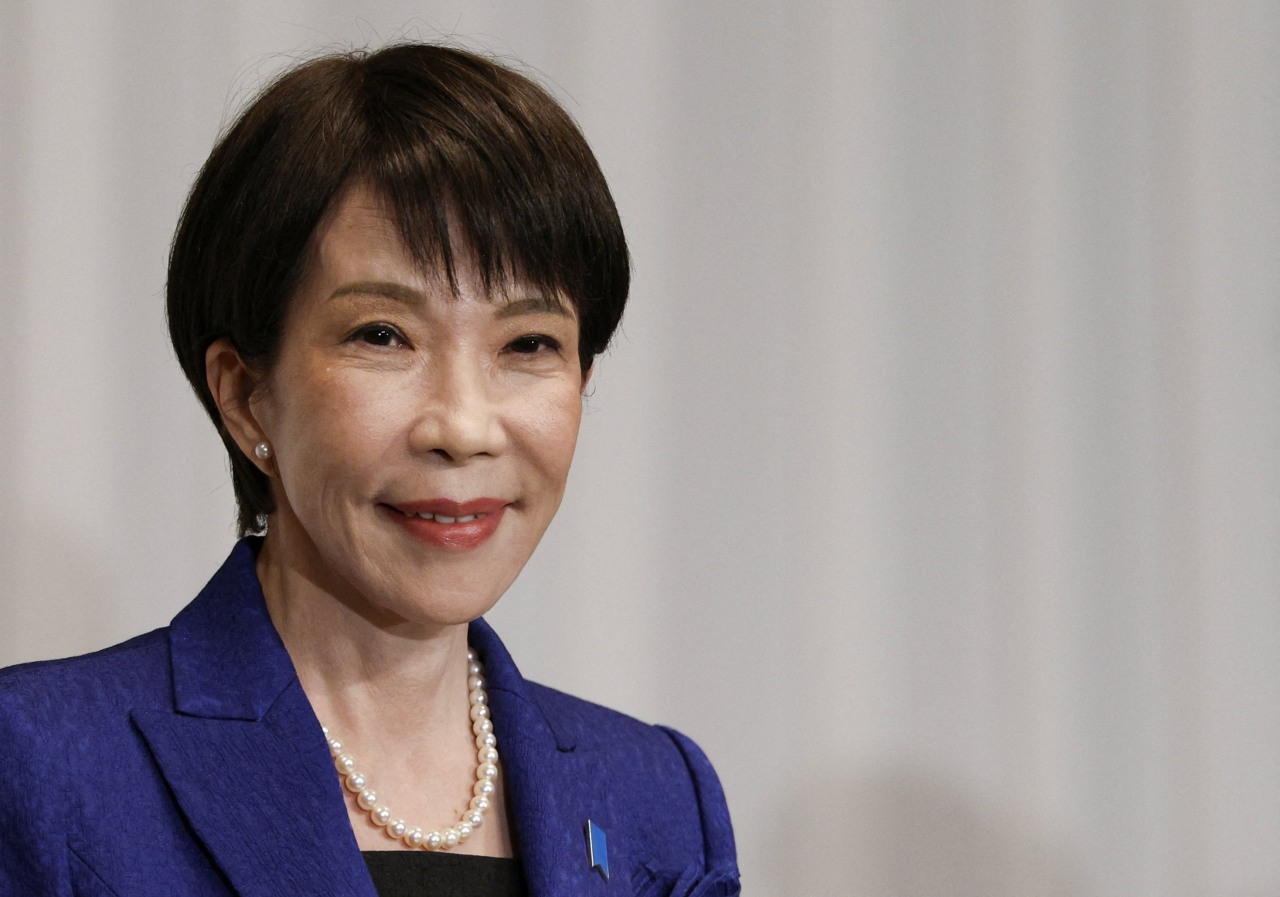
Seiko Takaichi, a prominent figure in Japanese politics and member of the ruling Liberal Democratic Party (LDP), has secured a supermajority within the party, significantly enhancing her influence both domestically and internationally. This development provides Takaichi with a stronger mandate to advance her policies on the economy and national defense, while also potentially paving the way for constitutional revisions long sought by conservative factions.
The LDP’s supermajority, achieved during the latest party elections, offers Takaichi unprecedented leverage to implement her agenda. With the backing of over 70 percent of party members, she aims to address pressing economic challenges and bolster Japan’s defense capabilities amid rising regional tensions. This political shift is seen as a response to both domestic and international security concerns, particularly given Japan’s evolving role in global affairs.
Policy Implications of a Supermajority
Takaichi’s agenda focuses on two critical areas: economic revitalization and national security. Economically, she advocates for policies aimed at stimulating growth, particularly in light of Japan’s aging population and declining workforce. Her proposals include tax incentives for businesses and increased investment in technology and innovation, which she believes are essential for maintaining the country’s competitiveness.
On the defense front, Takaichi has expressed intent to enhance Japan’s military capabilities. This includes discussions around expanding the Self-Defense Forces and increasing defense spending to meet the challenges posed by neighboring countries. As tensions rise in the region, her plans may also lead to Japan’s greater involvement in collective security arrangements, marking a significant shift in the country’s post-World War II defense policy.
Another cornerstone of her platform is the potential revision of Japan’s constitution, specifically Article 9, which renounces war. This has been a longstanding goal for conservatives in Japan, and Takaichi’s supermajority may provide the necessary support to initiate this process. She has indicated that revising the constitution could allow for a more robust defense posture, aligning with contemporary security needs.
International Reactions and Future Prospects
The international community is closely watching Takaichi’s ascent and the implications it holds for Japan’s foreign relations. Analysts suggest that her policies could foster closer ties with allies such as the United States, especially in defense cooperation. The potential shift in Japan’s defense posture also raises questions about regional stability and reactions from neighboring countries, including China and North Korea.
As Takaichi prepares to implement her policies, she faces the challenge of balancing domestic expectations with international responsibilities. Her leadership will be tested as she navigates complex issues ranging from economic reform to national security, all while keeping the conservative base within the LDP aligned with her vision.
With the LDP’s supermajority firmly in place, Takaichi stands at a pivotal moment in Japan’s political history. The coming months will be crucial as she seeks to translate political support into tangible policy changes that could redefine Japan’s role on the world stage.