The ongoing conflict with Iran is significantly impacting the U.S. economy, creating a complex challenge for the Federal Reserve. Rising oil prices, shipping disruptions in the Middle East, and emerging weaknesses in the U.S. labor market coincide with an inflationary scenario that had recently shown signs of improvement. As inflation remains above the Federal Reserve’s target of 2%, the prospect of “stagflation”—characterized by high prices coupled with slowed economic growth—poses a pressing concern for policymakers.
On March 1, 2024, the American Automobile Association (AAA) reported that gas prices reached their highest level since September 2024, with the national average hitting **$3.32** per gallon. Concurrently, U.S. crude oil experienced its largest weekly gain since records began in 1983, indicating that gasoline prices could continue to rise in the near future. This trend arrives as the Federal Reserve grapples with signs of a weakening labor market. Recent data from the Bureau of Labor Statistics revealed a loss of **92,000 jobs** in February, with revisions to earlier months indicating **69,000** fewer jobs than previously estimated.
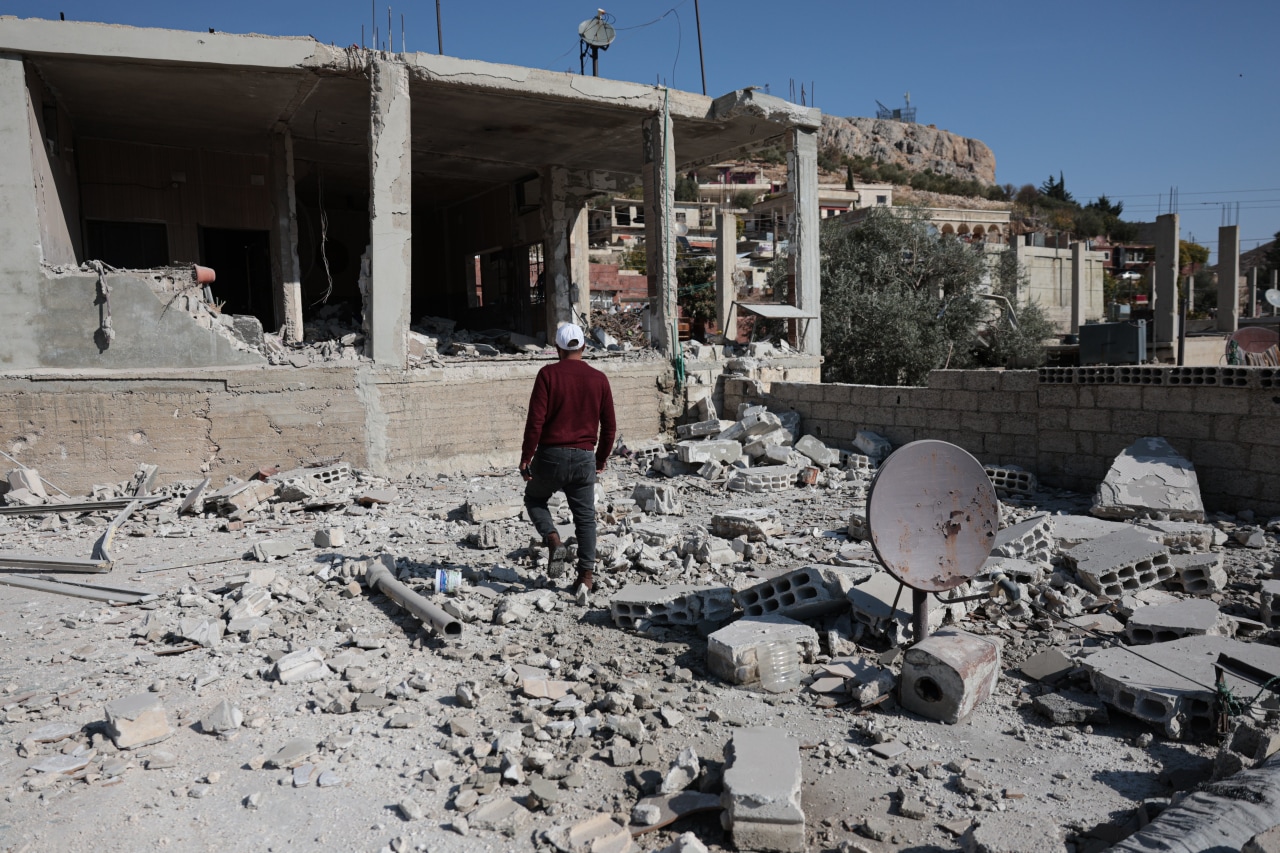
The implications of shipping disruptions are profound. The Strait of Hormuz, a crucial waterway off Iran’s southern coast, carries approximately one-fifth of the world’s oil supply. It is also a vital shipping route for commodities like aluminum and fertilizer. With **over 80%** of global trade transported by sea, disruptions in this passage can reverberate through international supply chains. Increased shipping times often lead to higher freight costs and delayed deliveries, which can elevate production expenses for businesses and, ultimately, consumer prices.
Goldman Sachs has warned of “upside risks” for crude prices, suggesting they could surpass **$100** per barrel if shipping routes remain disrupted. As of March 1, crude oil settled just under **$91** per barrel. Historical data indicates that every **$1** increase in oil equates to a **$0.02 to $0.03** rise in gasoline prices, suggesting that prolonged increases could significantly affect consumers at the pump.
The Federal Reserve is closely monitoring these developments, as the balance between inflation and employment remains delicate. Gregory Daco, chief economist at EY, stated that the recent economic reports complicate the Fed’s task by amplifying risks associated with both sides of its dual mandate. He emphasized that while the decline in payrolls and rising unemployment raise concerns about growth, the geopolitical situation in the Middle East exacerbates inflation risks.
Federal Reserve President Mary Daly commented on the February jobs data, indicating that it adds complexity to the current policymaking environment. She noted that moving forward will require a careful assessment of risks. Meanwhile, some Fed officials, including Governor Christopher Waller, believe that the inflation impact from the Iran conflict may be temporary and that the central bank should not overreact to rising gas prices in the short term.
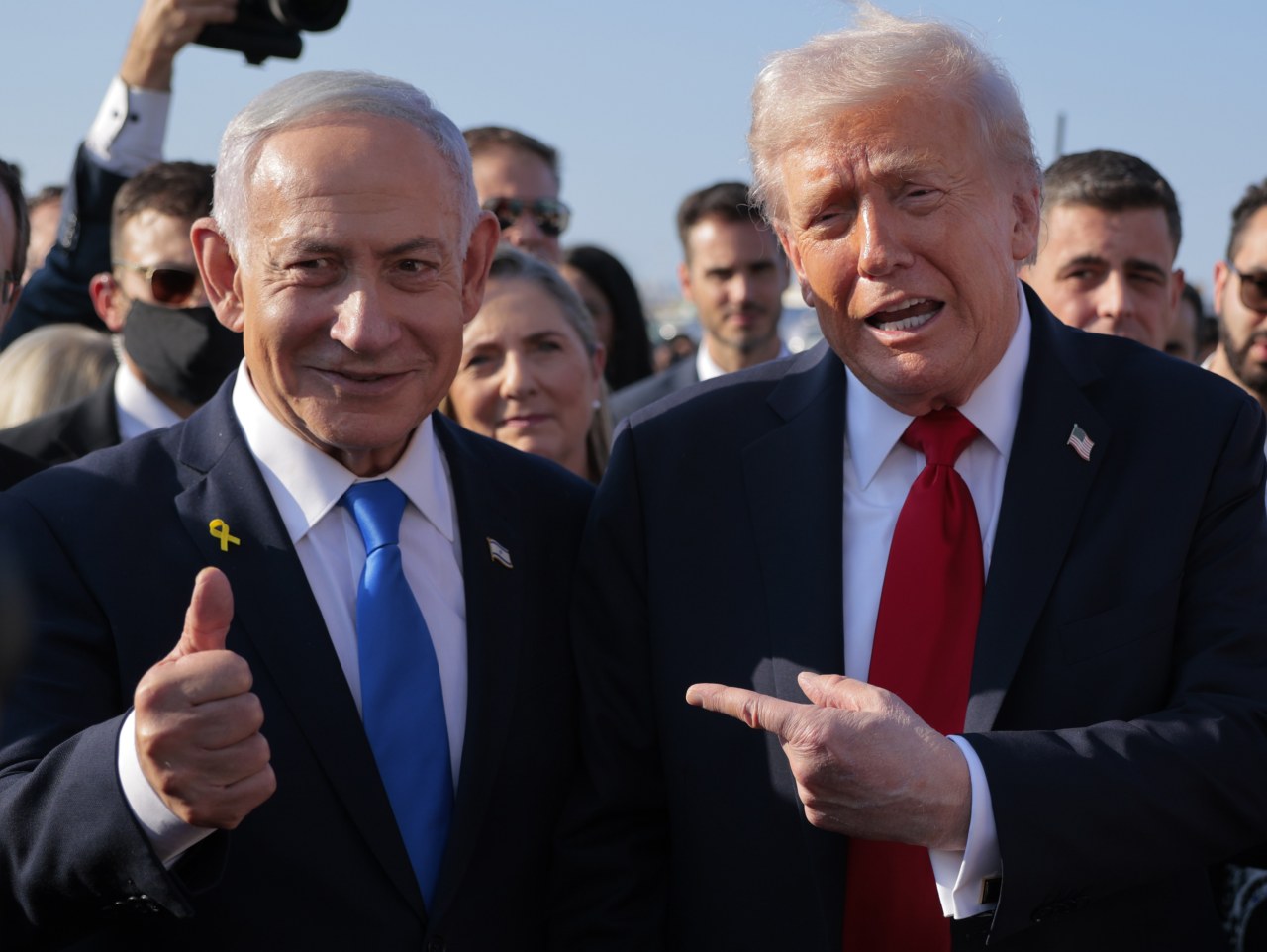
Gas prices have become a focal point in President **Donald Trump’s** agenda aimed at affordability. Lower prices in recent months had provided some relief to consumers grappling with rising costs of essentials like groceries and housing. However, this cushion is rapidly diminishing. Trump recently announced plans to stabilize oil markets through maritime risk insurance and naval escorts in the Strait of Hormuz, although these measures have yet to quell market volatility.
In an interview with Reuters, Trump expressed confidence, stating, “I don’t have any concern about it. [Gas prices] will drop very rapidly when this is over.” He acknowledged the situation’s importance but minimized the impact of fluctuating gasoline prices.
For U.S. policymakers, the stakes extend well beyond gasoline prices. Should inflation begin to rise again, the Federal Reserve may find itself compelled to maintain higher interest rates for an extended period. This would prolong the costly borrowing environment that consumers have been eager to see eased, potentially undermining the president’s economic messaging ahead of the upcoming midterm elections.
Joe Bruselas, chief economist at RSM, warned that the Federal Reserve’s response will undergo significant scrutiny in the coming months. The risk of stagflation looms large, leading to heightened focus on energy prices as the situation with Iran unfolds. As the economic landscape shifts, both consumers and policymakers face a period of considerable uncertainty.