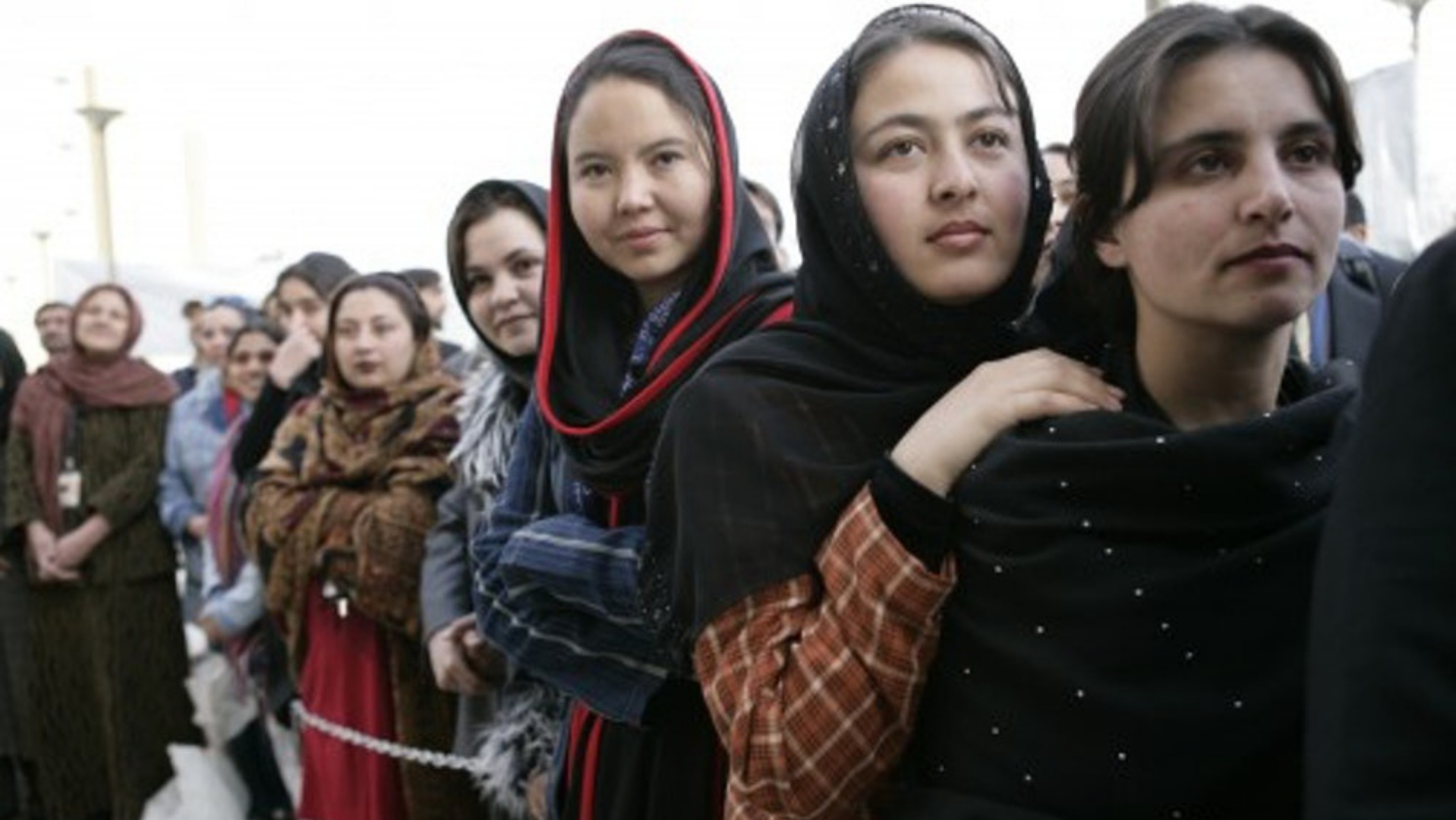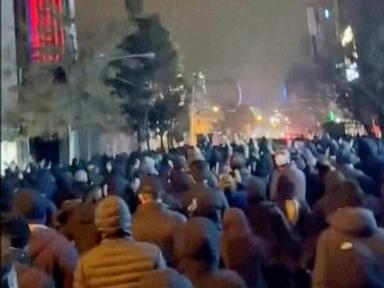
Nationwide protests in Iran, which began in response to the economic collapse, have intensified, resulting in a significant death toll of at least 116 people, according to the U.S.-based Human Rights Activists News Agency. Demonstrators have taken to the streets of the capital, Tehran, and other cities, marking over two weeks of unrest against the country’s theocratic regime.
The ongoing violence has left approximately 2,600 individuals detained, raising concerns among activists regarding the Iranian government’s potential for a harsher crackdown. The situation has been compounded by a nationwide internet blackout, complicating efforts to obtain real-time information. Protests have reportedly spread to cities like Mashhad, which is significant due to its religious importance as home to the Imam Reza shrine.
Government Response and International Reactions
Amid the protests, Iranian authorities have issued stark warnings. Mohammad Movahedi Azad, Iran’s attorney general, declared that participants in the protests could be branded as “enemies of God,” a charge that carries the death penalty. This warning reflects the Iranian leadership’s growing anxiety over the demonstrations, which have called for an end to the theocratic rule established after the 1979 Islamic Revolution.
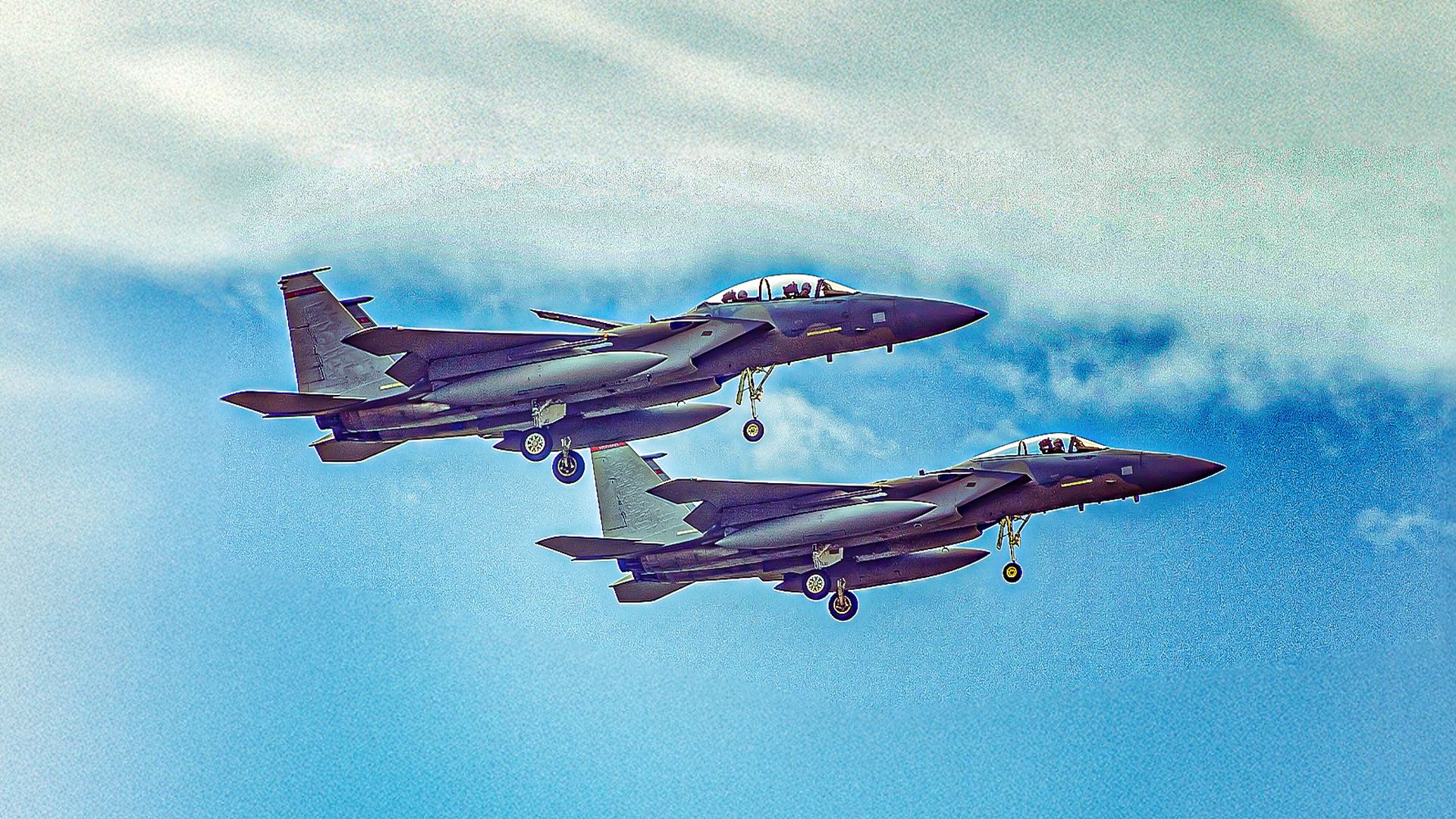
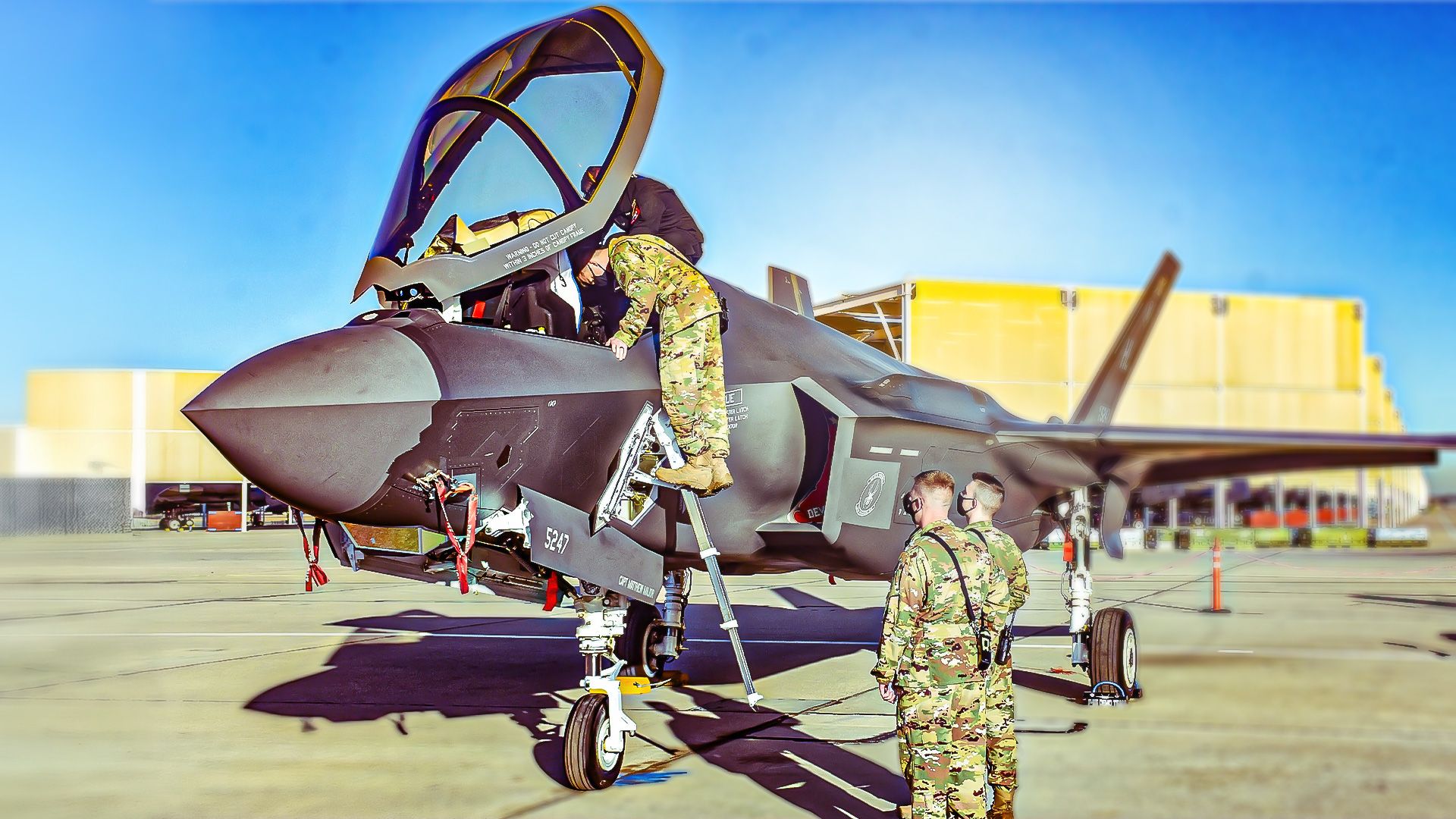
On the international front, U.S. President Donald Trump has expressed support for the protesters, stating on social media that “Iran is looking at FREEDOM, perhaps like never before. The USA stands ready to help!!!” Reports suggest that Trump has been provided with military options regarding Iran, although no final decision has been made.
The Iranian state media responded to the unrest by showcasing calm areas in various cities while omitting coverage of the protests. They also broadcast pro-government demonstrations in Qom and Qazvin, further indicating the regime’s efforts to control the narrative.
Protest Dynamics and Historical Context
The protests, which initially erupted on December 28, 2023, were sparked by the dramatic devaluation of the Iranian rial, which now trades at over $1.4 million to one U.S. dollar. Economic discontent has transformed into widespread calls for political change, with demonstrators openly challenging Iran’s theocratic governance.
Exiled Iranian Crown Prince Reza Pahlavi has called for continued demonstrations, urging participants to carry national symbols associated with the pre-revolutionary era. Some protestors have expressed nostalgia for the time before the Islamic Revolution, though it remains unclear whether this reflects support for Pahlavi himself or a broader desire for political reform.
As the situation unfolds, the potential for increased violence looms large, particularly with the government’s recent threats and the communications blackout. Activists and observers outside Iran remain vigilant, fearing that the ongoing repression could lead to a more severe crackdown on dissent.