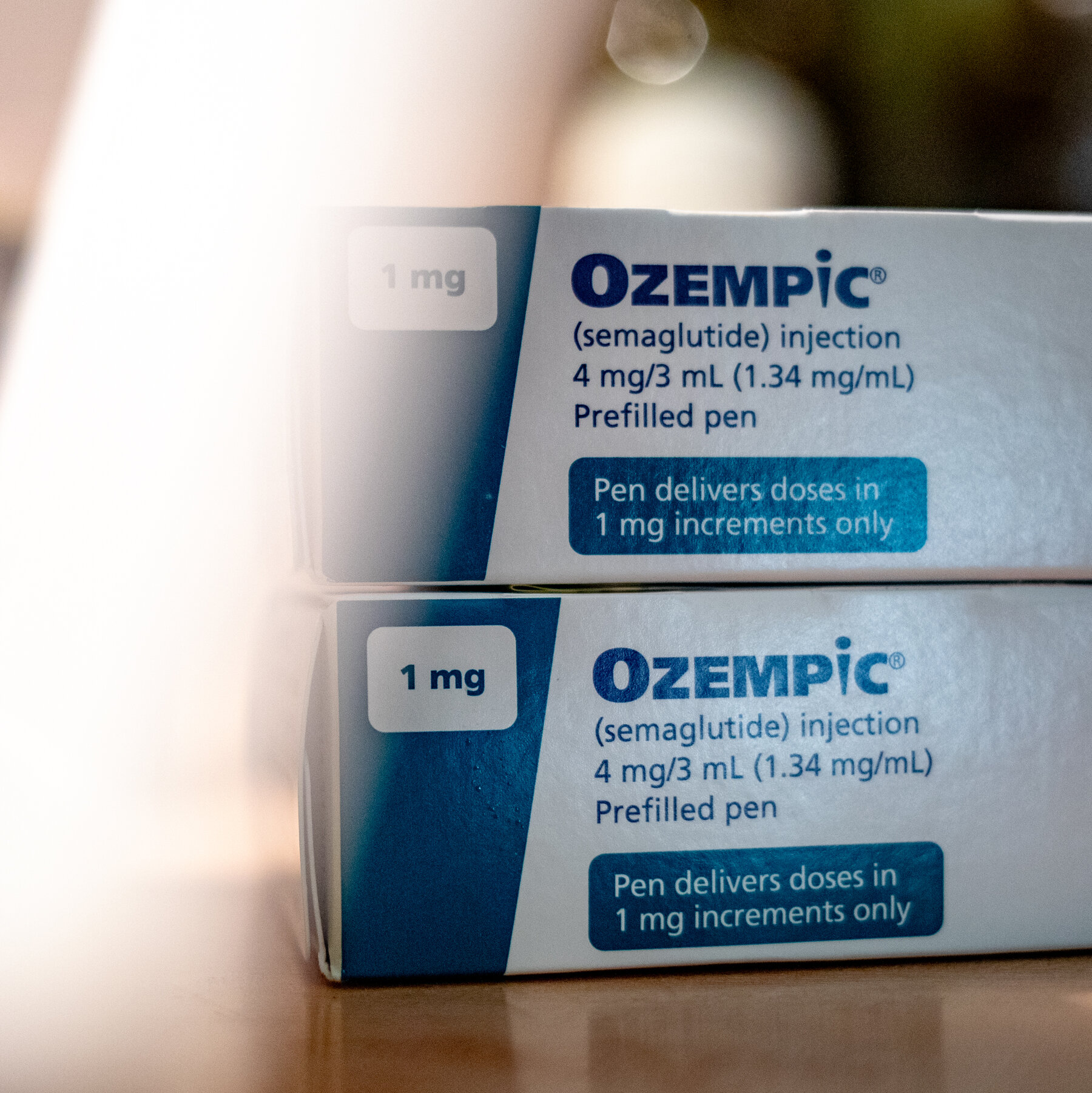
The recent surge in popularity of weight-loss medications such as Ozempic and Wegovy has captured public attention, with many hailing them as breakthrough treatments for obesity. These drugs, produced by Novo Nordisk, have been shown to help users lose significant weight, but concerns regarding their long-term use and potential side effects remain largely unexplored.
As of 2023, more than 11 million prescriptions for these medications have been filled in the United States alone. The U.S. Food and Drug Administration (FDA) approved Ozempic in 2022 as a treatment for type 2 diabetes, while Wegovy was explicitly approved for weight management. These approvals have prompted a wave of interest, not only among patients seeking weight-loss solutions but also in the broader healthcare community.
Understanding the Mechanism and Benefits
These medications work by mimicking a hormone called GLP-1 that regulates appetite and glucose levels. Users often report feeling fuller for longer periods, which leads to reduced calorie intake. Clinical trials have shown that patients taking Wegovy can lose an average of 15% of their body weight over a 68-week period. Such results have contributed to a perception of these drugs as “miracle solutions” to obesity.
However, experts caution against viewing these medications as a panacea. Dr. John Smith, a prominent endocrinologist, states, “While these drugs offer significant benefits for many, they are not without potential risks. Long-term studies are essential to fully understand their impact.”
Long-Term Risks and Unknowns
Despite the promising results in short-term studies, there is limited data on the effects of extended use. Preliminary reports suggest potential side effects, including gastrointestinal issues, pancreatitis, and possible thyroid tumors. Such risks underscore the importance of comprehensive research to evaluate the safety of these medications over many years.
In addition, the growing demand for these drugs has led to supply shortages, affecting patients who rely on them for chronic conditions. Many pharmacies are struggling to keep these medications in stock, leading to frustration among those who need them for diabetes management. The FDA has taken steps to address these shortages, but the situation remains fluid.
Access and affordability also pose significant challenges. The average cost of Wegovy can reach approximately $1,300 per month without insurance coverage, making it prohibitively expensive for many individuals. This has sparked discussions about the need for better insurance coverage for obesity treatments, especially as obesity rates continue to rise globally.
As the healthcare community grapples with these issues, the debate surrounding the role of medications like Ozempic and Wegovy in weight management is likely to intensify. Both patients and healthcare providers must navigate the complexities of these treatments, balancing potential benefits with the unknowns of long-term use.
The future of weight-loss medications remains uncertain. Ongoing clinical trials and studies will be crucial in determining whether these drugs will be a lasting solution for millions struggling with obesity or if they carry risks that outweigh their benefits. As more data emerges, the healthcare industry will need to adapt to ensure that patients receive effective, safe, and accessible treatment options.