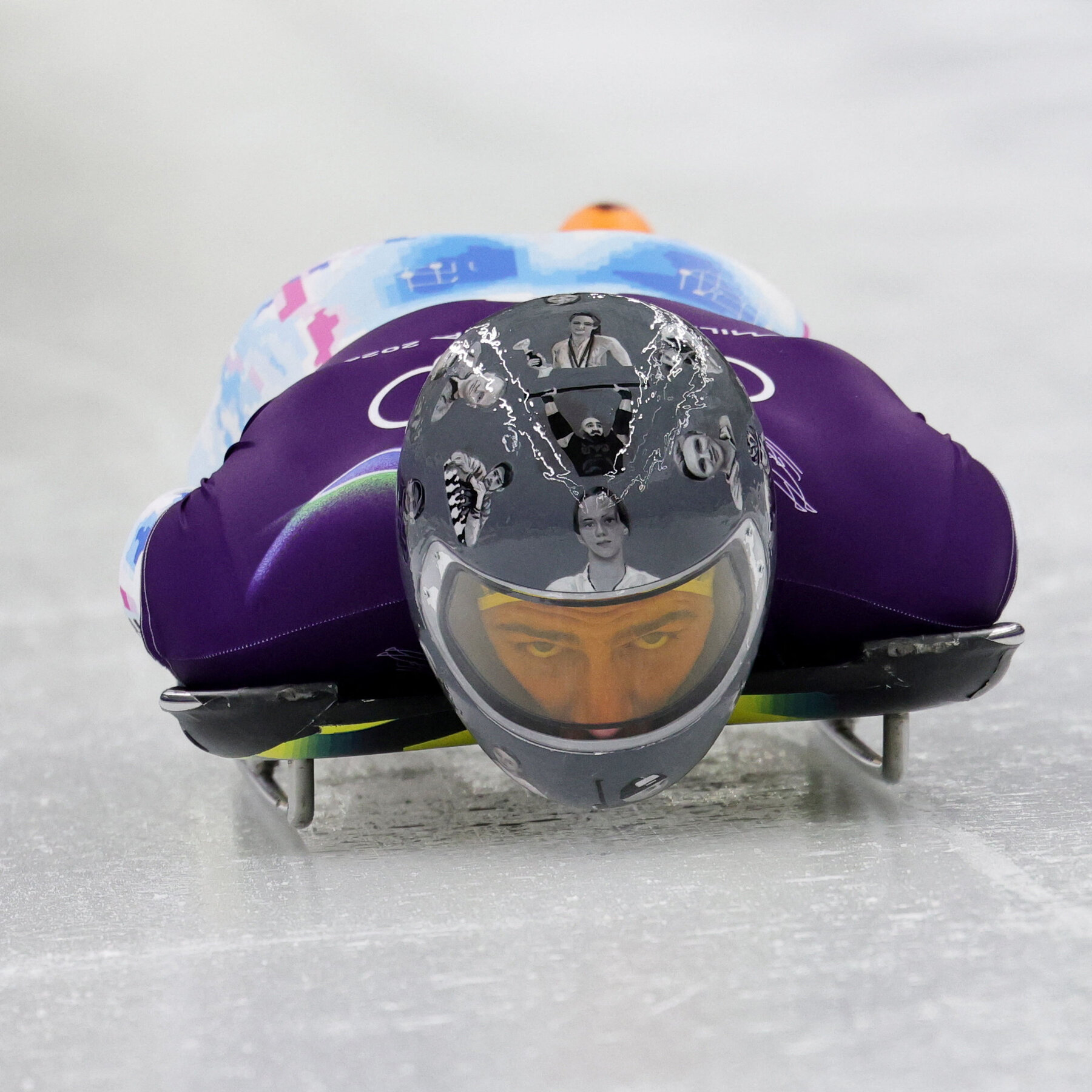
The International Olympic Committee (IOC) has prohibited Ukrainian athlete Vladyslav Heraskevych from wearing a helmet that honors athletes killed during the ongoing conflict with Russia. This decision has sparked discussions about the balance between sports and political expression, as the IOC cited a violation of its regulations regarding political speech.
Heraskevych, who competes in the sport of skeleton, described the helmet as a heartfelt tribute to fallen athletes and civilians affected by the war. The helmet features symbols and messages commemorating those who have lost their lives in the conflict, which has persisted since Russia’s invasion of Ukraine in February 2022.
In response to the IOC’s ruling, the organization has allowed Heraskevych to wear a black armband during competitions instead. This alternative is seen as a more acceptable form of expression within the IOC’s guidelines, which discourage political statements during the Olympic Games. The IOC’s policies aim to maintain the neutrality of the Olympic environment, though critics argue that this stance undermines the human impact of ongoing global conflicts.
Heraskevych’s situation highlights the complex interplay between sports and political expression. Many athletes from Ukraine have sought to raise awareness about the war and its repercussions, both for their nation and for the global community. The IOC’s decision to ban the helmet has drawn mixed reactions, with some supporting the enforcement of its rules while others view it as an infringement on personal expression.
The Ukrainian government and various sports organizations have expressed disappointment with the IOC’s decision. They argue that honoring those lost in conflict is not merely a political statement but a necessary acknowledgment of the human cost of war. As sports continue to be a platform for social and political issues, the implications of such rulings will likely remain a point of contention.
Athletes like Heraskevych play a crucial role in representing their countries on the world stage, and their ability to express solidarity with their fellow citizens is becoming increasingly important in the context of ongoing global crises. The IOC’s policies may need to evolve to reflect these changing dynamics, as athletes find themselves navigating the delicate line between competition and advocacy.
As the Olympic Games approach, the focus will be on how athletes respond to the IOC’s limitations and what alternatives they may pursue to convey their messages. The ongoing conversation surrounding political expression in sports is expected to intensify, particularly as more athletes address pressing issues related to their home countries.
The global sporting community continues to monitor this situation closely, as it underscores the broader implications of politics in athletics. The IOC’s decision may set a precedent for future events and the ways in which athletes can honor their causes while adhering to organizational regulations. As the world watches, the balancing act between sportsmanship and political expression remains a significant topic of discussion.