Nicolás Maduro, the president of Venezuela, has shown a remarkable ability to remain in power despite numerous challenges, including international sanctions, economic collapse, and widespread protests. Since taking office in 2013, following the death of his predecessor and political mentor, Hugo Chávez, Maduro has faced predictions of his downfall. Yet, he has managed to maintain a firm grip on the country for more than twelve years, becoming the longest-serving leader in Latin America.
Maduro’s tenure began under a cloud of skepticism. Initially, he received limited support within his party, the United Socialist Party of Venezuela (PSUV), and was embroiled in tensions with influential figures like Diosdado Cabello. However, Chávez’s endorsement just days before his death in December 2012 solidified Maduro’s position as the successor to the political legacy of chavismo. This endorsement set the stage for a presidency characterized by controversy and resilience.
A Legacy of Controversial Governance
Maduro has been frequently mocked for his unconventional behavior and linguistic missteps, leading many to label his decisions as “maduradas.” Yet, he has consistently defied critics and predictions of his political demise. Over the years, he faced allegations of electoral fraud and suppression of dissent, but he has successfully navigated these challenges, often using an anti-imperialist narrative to bolster his regime’s legitimacy.
In the April 2013 elections, Maduro won a narrow victory against opposition leader Henrique Capriles, securing just 1.59% more votes than his opponent. This initial election set a precedent for future contests, which have been marred by controversies and claims of irregularities. International observers, including the United Nations, have raised concerns about the integrity of subsequent elections, with accusations of human rights violations and repression of political dissent.
The political landscape in Venezuela has been shaped significantly by external factors, particularly the relationship with Cuba. Maduro’s ties to the Cuban government date back decades and have proven crucial for his survival. Reports suggest that he received training in revolutionary politics in Cuba, though official narratives do not confirm this. The collaboration with Cuban authorities has been instrumental in managing opposition movements and maintaining control over the Venezuelan populace.
The Human Cost of Survival
The persistence of Maduro’s regime has come at a high price for the Venezuelan people. Economic mismanagement has led to a catastrophic decline in living conditions, with the economy shrinking to just 28% of its size in 2013, according to the International Monetary Fund (IMF). The collapse of the oil industry, once the backbone of the Venezuelan economy, has exacerbated this crisis, with oil revenues plummeting by 80% since 2013 due to mismanagement and sanctions.
The humanitarian implications are dire. Since 2017, reports from various UN agencies and the International Criminal Court (ICC) have documented widespread human rights abuses under Maduro’s government, including arbitrary detentions, torture, and extrajudicial killings. These violations have led to calls for accountability and justice, yet Maduro’s administration continues to deny the allegations, framing them as politically motivated attacks.
The ongoing economic hardship has prompted one of the largest displacement crises in recent history, with nearly eight million Venezuelans fleeing to other countries in search of better opportunities. This exodus has not only drained the country of its human capital but has also fueled resentment against Maduro’s administration, which he blames on external forces, particularly US sanctions.
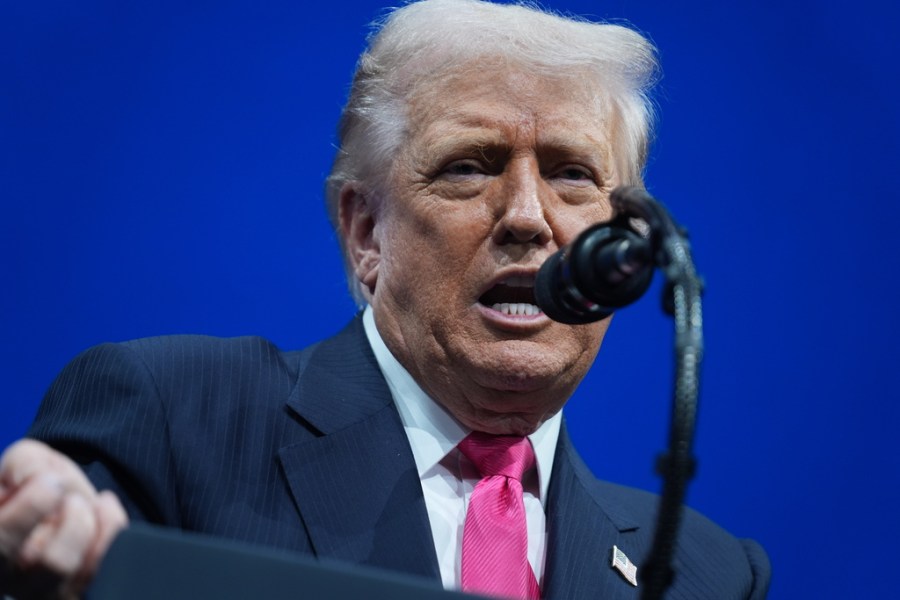
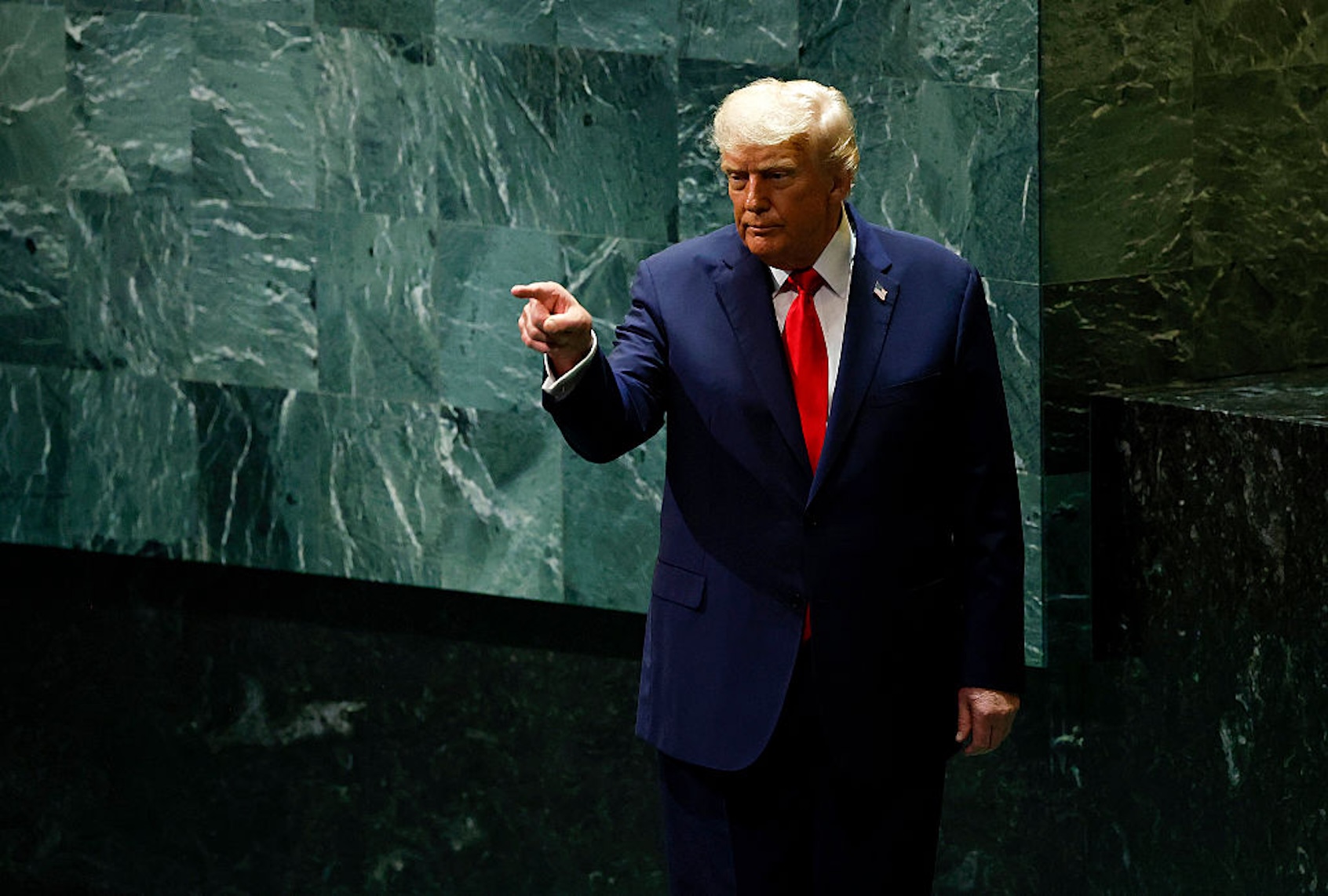
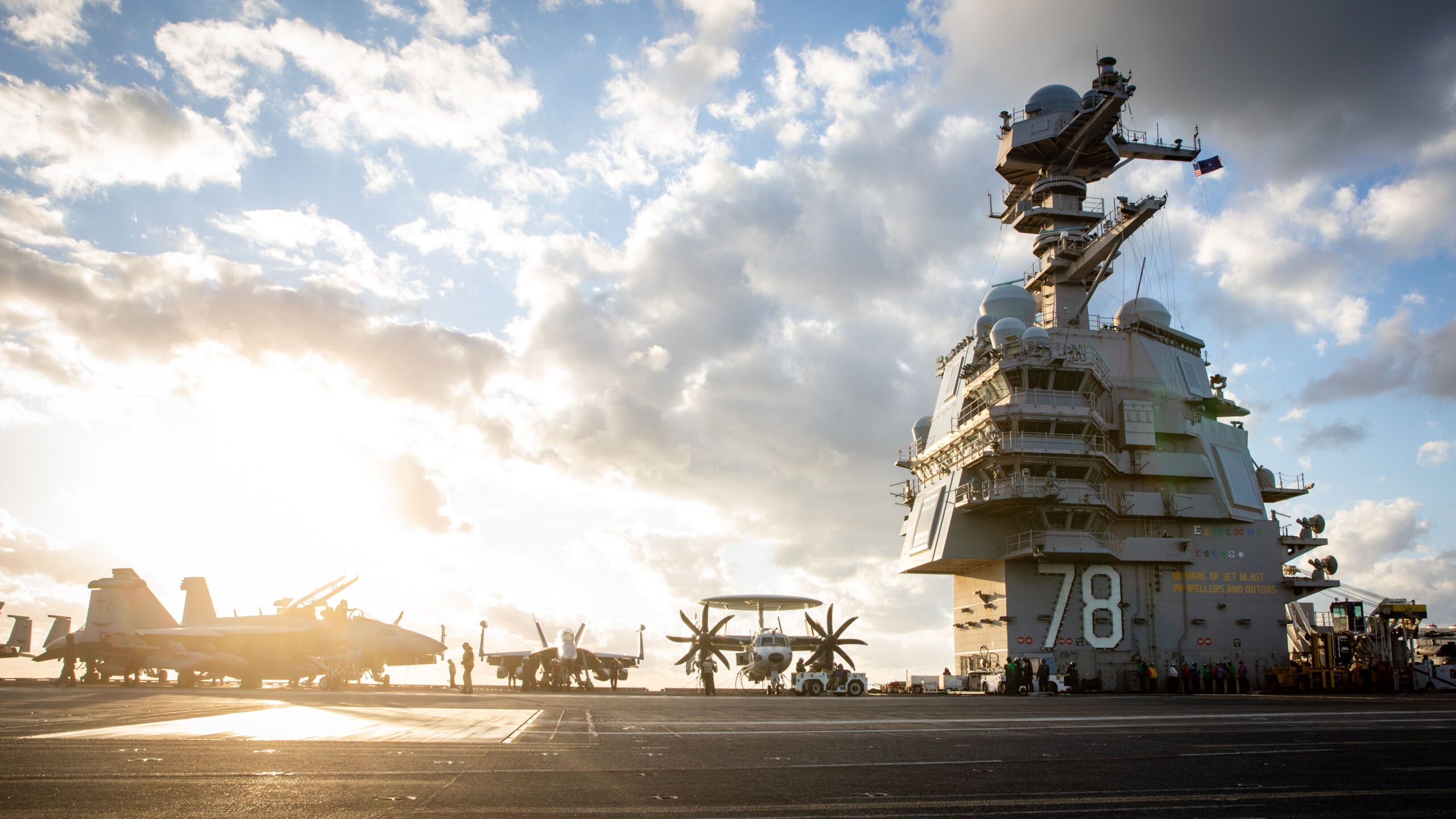
As the geopolitical landscape evolves, Maduro faces intensified military and diplomatic pressure from the United States, particularly under the administration of former President Donald Trump. The US has employed a range of strategies to weaken Maduro’s grip on power, including sanctions and diplomatic isolation, yet these efforts have had limited success in forcing a change in leadership.
Despite the challenges, Maduro continues to demonstrate resilience and adaptability. His ability to navigate crises has solidified his position, even as the country grapples with significant economic and social turmoil. The future remains uncertain, with analysts questioning whether Maduro can sustain his regime in the face of mounting domestic and international pressures.
In a nation fractured by dissent and economic despair, Maduro’s survival strategy has become a complex interplay of power dynamics, external relations, and the harsh realities faced by the Venezuelan populace. Whether he can maintain this precarious balance amidst growing discontent and international scrutiny is a question that remains to be answered as Venezuela continues to endure one of its most challenging periods in recent history.