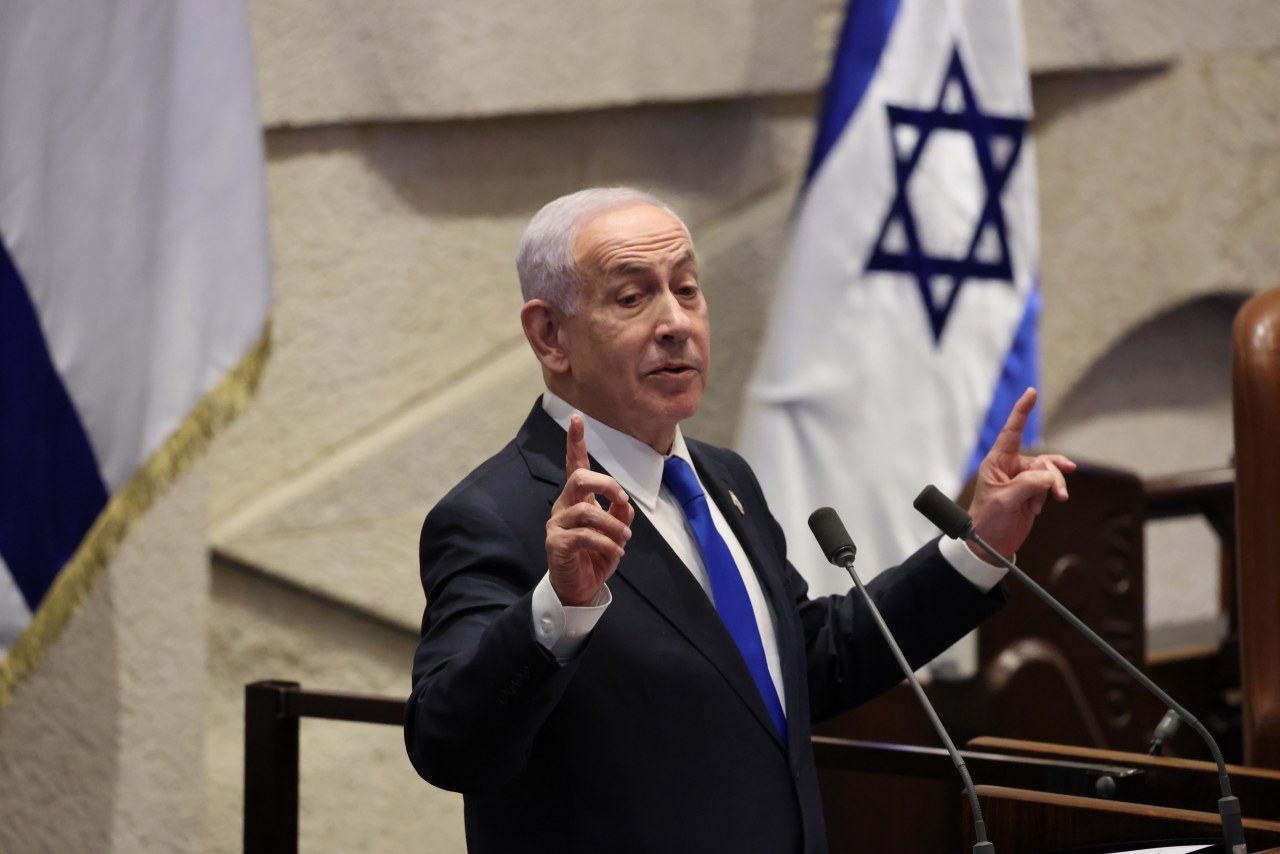
Prime Minister Benjamin Netanyahu has announced plans to oversee a commission aimed at investigating the failures that led to the tragic events of October 7. This date marks a significant moment in Israeli history, as it was when a coordinated attack by Hamas resulted in substantial loss of life and widespread chaos. The inquiry’s objective is to evaluate the circumstances that allowed such an event to occur and assess the preparedness of Israel’s defense mechanisms.
The proposed commission is expected to delve into the roles of the Israel Defense Forces (IDF) and the intelligence community, examining their effectiveness in preventing the attack. Netanyahu’s announcement comes amid rising public outcry for accountability and clarity regarding the government’s response to the crisis. Many citizens are demanding answers about how intelligence failures contributed to the attack and what measures will be implemented to prevent future occurrences.
Public Reactions and Political Implications
Reactions to Netanyahu’s proposal have been mixed. Some citizens support the idea of a government-led inquiry, believing that it may provide a comprehensive overview of the failures and lead to necessary reforms. Others express skepticism, fearing that the investigation may be more about political maneuvering than genuine accountability. The debate touches on a broader concern regarding the trust between the Israeli government and its citizens, particularly in times of crisis.
Opposition leaders have called for an independent body to conduct the inquiry, asserting that a government-controlled commission could compromise the investigation’s integrity. Yair Lapid, a prominent figure in the opposition, emphasized the need for transparency and impartiality, stating that the investigation should be free from political influence.
Netanyahu’s proposal arrives as the Knesset prepares to engage in discussions about the inquiry’s scope and methodology. As the political landscape shifts, the government’s ability to navigate public sentiment will play a crucial role in the inquiry’s reception and effectiveness.
Looking Ahead: The Future of Israeli Security
The aftermath of the October 7 attack has prompted a nationwide reevaluation of Israel’s security strategy. Analysts suggest that this inquiry could lead to significant changes in how the IDF and intelligence agencies operate. There is an acknowledgment that lessons learned from this tragic event must inform future policies.
In the coming weeks, the Security Cabinet will convene to outline the inquiry’s parameters. The goal is to ensure a thorough and transparent investigation that addresses public concerns. The outcomes of this commission may have lasting implications for Israel’s security framework and its approach to intelligence gathering and crisis management.
As the nation grapples with the consequences of the October 7 attack, the commission’s findings will be critical in restoring public confidence and ensuring that such failures are not repeated. The inquiry represents an opportunity for reflection, accountability, and ultimately, a strengthened national security posture.