Israeli Prime Minister Benjamin Netanyahu has characterized the recent announcement regarding the second phase of the fragile ceasefire in the Gaza Strip as primarily symbolic. His comments, made late on Wednesday, highlight uncertainties surrounding the implementation of more complex aspects of the ceasefire.
During a meeting with the parents of the last Israeli hostage, whose remains have not yet been recovered, Netanyahu emphasized that while the announcement is a positive step, it does not guarantee the resolution of ongoing tensions. The ceasefire, which began in late November 2023, has seen intermittent violence, with significant humanitarian implications for residents in the region.
Netanyahu’s remarks come as the Israeli government faces mounting pressure to address security concerns while managing the delicate situation in Gaza. The second phase of the ceasefire is expected to involve more challenging negotiations, particularly concerning the release of hostages and the restoration of essential services in Gaza.
The Prime Minister acknowledged the complex nature of the issues at hand, stating, “While this advancement is a hopeful sign, we must remain realistic about the challenges that lie ahead.” His comments reflect a cautious approach amid ongoing discussions with various stakeholders, including international mediators.
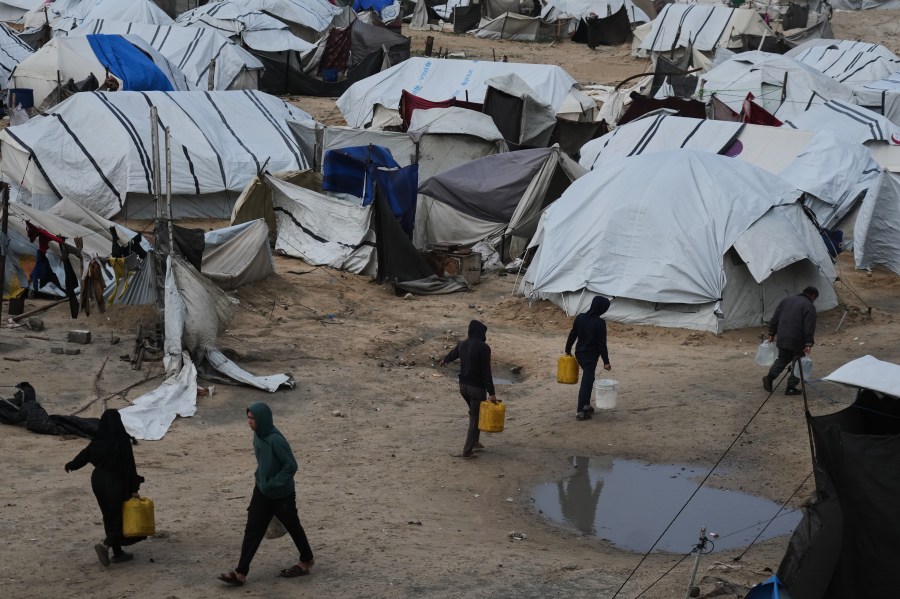
As the situation develops, the focus remains on the humanitarian impact of the ceasefire. Aid organizations report that the ongoing conflict has resulted in severe shortages of food, medical supplies, and other essential resources for the people of Gaza. The United Nations has called for immediate action to address these needs, urging both parties to prioritize the welfare of civilians.
Despite the symbolic nature of the announcement, it has sparked renewed discussions about the long-term prospects for peace in the region. Analysts suggest that both sides must engage in meaningful dialogue to address the underlying issues that have perpetuated the cycle of violence.
The international community is closely monitoring the situation, with many expressing cautious optimism about the potential for progress. As negotiations continue, the focus will likely shift to the practical steps necessary to implement the next phase of the ceasefire effectively.
In summary, Netanyahu’s framing of the ceasefire’s next phase as largely symbolic underscores the complexities involved in achieving lasting peace. The coming weeks will be critical in determining whether this initiative can translate into tangible improvements for those affected by the conflict in Gaza.