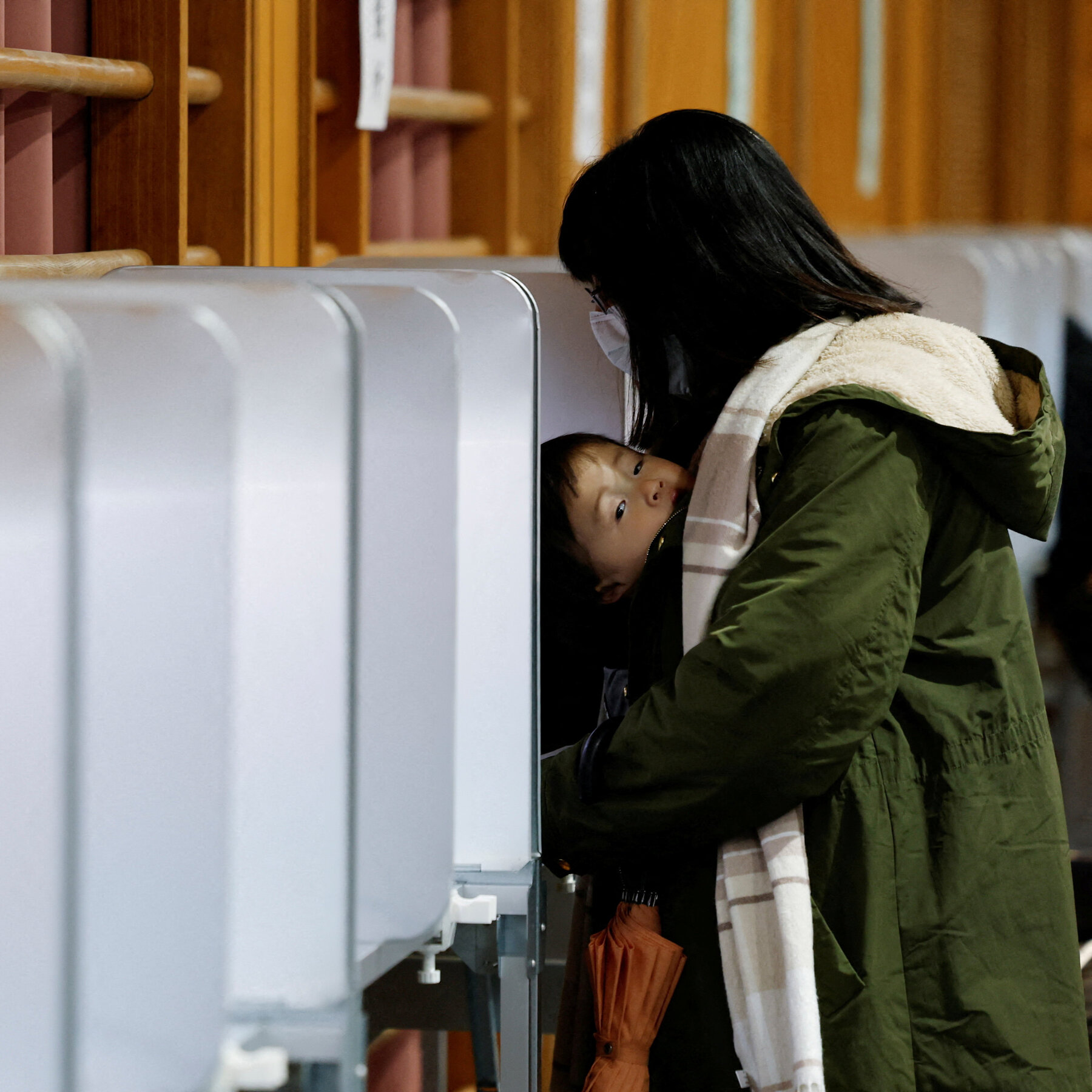
On December 17, 2023, millions of voters across Japan participated in a snap election that tested the leadership of Prime Minister Sanae Takaichi. Despite challenging weather conditions, including heavy snowstorms, turnout remained robust as citizens expressed their opinions on the future direction of the country. Early exit polls indicated that Takaichi’s party was poised for a significant victory, potentially securing a majority in the National Diet.
Weather Challenges and Voter Resilience
The harsh weather did not deter voters; many stood in long lines and navigated treacherous roads to reach polling stations. Reports suggested that in some areas, snow accumulation exceeded one meter, yet voters remained determined to make their voices heard. This election was particularly crucial, as it could solidify Takaichi’s position and her party’s agenda moving forward.
According to NHK, voter turnout appeared to be strong, with estimates suggesting it could exceed previous elections, reflecting a heightened engagement in the political process. Analysts noted that the snap election was called in response to increasing public demand for decisive action on economic recovery and social policies.
Implications of the Election Results
If the exit polls are accurate, a landslide victory for Takaichi could strengthen her mandate to implement significant reforms. This potential outcome would allow her to push forward with initiatives aimed at revitalizing Japan’s economy and addressing pressing social issues, including declining birth rates and an aging population.
Political analysts have been closely monitoring the election, noting that such a victory could also influence Japan’s foreign policy stance, particularly in relation to regional security concerns. Takaichi has emphasized the importance of a strong national defense and maintaining robust alliances with international partners.
The election results will be pivotal not just for Takaichi but for Japan as a whole, especially as the nation navigates post-pandemic recovery and global economic uncertainties. As voters await the official results, the political landscape in Japan stands on the brink of significant change.